

BJJ White Belt: Your Complete Guide to Surviving and Thriving
The BJJ white belt is where everyone starts their Brazilian Jiu-Jitsu journey. It doesn’t matter if you’re athletic or have done other martial arts—everyone begins at white belt learning the same basic skills.
White belt is the survival phase. You’ll spend most of your time defending yourself, escaping bad positions, and learning how to move safely on the mats. Most people train at white belt for 1-2 years before earning their blue belt.
This guide covers what you’ll experience, what to focus on, and how to avoid common mistakes that slow down beginners.
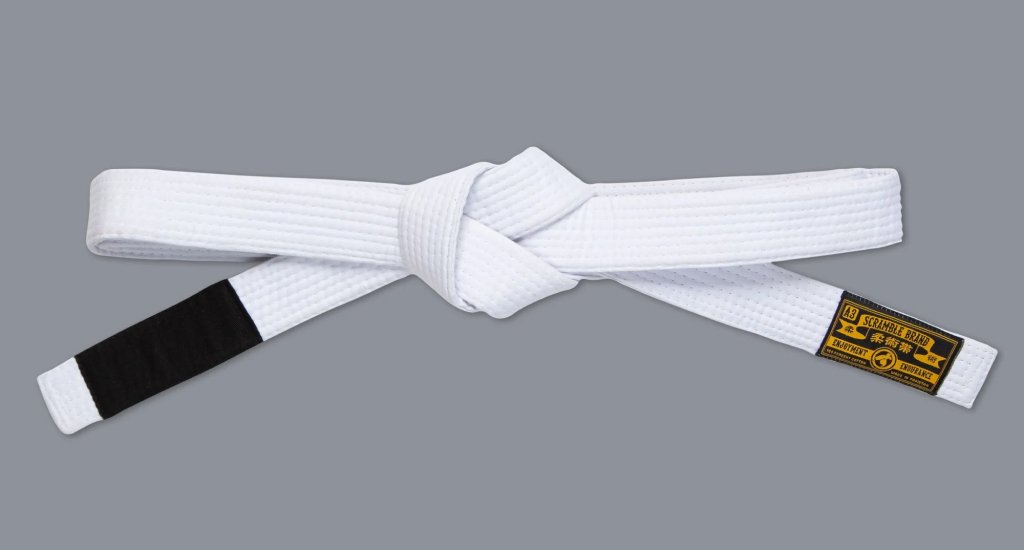
Table of Contents
What Your First Year Will Be Like
Your first few months will feel overwhelming. You’ll forget techniques, get dominated during sparring, and wonder if you’re getting better at all.
Physical Changes: You’ll be exhausted after every class at first. Grappling uses muscles in ways you’ve never experienced. Your body needs 3-6 months to adapt to the demands of BJJ. The good news? Your conditioning improves quickly with consistent training.
Mental Challenges: There’s a lot to learn, and it happens fast. Techniques that look easy when your instructor demonstrates them become incredibly hard when you try them yourself. This is completely normal. Every black belt went through the exact same struggles.
Rolling Reality: During sparring (called “rolling” in BJJ), you’ll get submitted constantly. Higher belts will control you, pass your guard easily, and catch you in submissions. Don’t take it personally—this is how everyone learns. Getting comfortable in bad positions builds your foundation.
Many people quit during white belt, but those who stick with it and train 2-3 times per week make steady progress. To understand where white belt fits in the bigger picture, read our guide to the BJJ belt system.
What You Should Focus On
White belt isn’t about mastering fancy techniques. It’s about building basic skills that support everything you’ll learn later.
Learn the Basic Positions: Start by recognizing the fundamental positions like guard, side control, mount, back control, and turtle. Understand which positions give you an advantage and which ones are dangerous. This helps you make better decisions during rolling.
Defense Comes First: You’ll spend most of your time in bad positions, so learning to escape and defend is critical. Focus on escaping side control, surviving mount, and defending common chokes and armlocks before worrying about submissions.
Master Basic Movements: Movements like shrimping, bridging, and breakfalls need to become automatic. These movements appear constantly during rolling. Drill them until your body does them without thinking.
Stay Calm and Breathe: New students hold their breath, tense up, and panic when under pressure. Learning to breathe deeply and stay relaxed in bad positions saves energy and helps you think clearly. This skill separates white belts who progress quickly from those who struggle.
Mistakes That Hold White Belts Back
Understanding common beginner mistakes helps you avoid bad habits.
Using Strength Over Technique: The biggest trap is muscling through positions instead of using proper technique. If you’re naturally strong, you can force things to work at first. But this creates bad habits that limit your growth. Focus on technique even when strength would be easier.
Spazzing During Rolling: Moving explosively without control is dangerous for you and your training partners. Roll at 60-70% intensity and focus on technique instead of winning.
Ignoring Defense to Hunt Submissions: White belts who only practice attacks without developing escapes struggle to improve. You can’t work your offense if you’re constantly stuck defending. Build your defense first.
Creating Too Much Space on Top: When you’re in a good position, stay heavy and stay close. Beginners often give opponents room to escape by moving without maintaining pressure and control.
Trying Advanced Moves Too Soon: Leave leg locks, flying submissions, and complex sequences for later. Master basic guard passes, simple sweeps, and fundamental submissions first.
How Long Until Blue Belt?
Most people spend 1-2 years at white belt when training consistently. Training 2-3 times per week is the minimum for steady progress. Training 4-5 times per week helps you improve faster.
The IBJJF (International Brazilian Jiu-Jitsu Federation) doesn’t require a minimum time at white belt. Your instructor decides when you’re ready based on your technique, sparring ability, and attitude. Some dedicated students earn blue belts in under a year, while others take 2-3 years training less frequently.
Don’t chase the belt. Focus on showing up consistently, drilling techniques, and learning from every roll. If you’re curious about the entire journey, check out how long it takes to get a black belt in BJJ.
Tips for White Belt Success
Show Up Consistently: This matters more than anything else. Training 3 times per week beats training 5 times one week and skipping the next two weeks. Regular training builds skill and conditioning faster.
Keep a Training Journal: Write down techniques you learned, what worked during rolling, and questions for your instructor. This helps you remember details and track your progress over time.
Drill Techniques Repeatedly: Learning BJJ is like learning a language—you need repetition. Stay after class to drill extra or arrive early to practice with partners.
Ask Questions at the Right Time: Your instructor can’t stop class for every question, but they’re usually happy to help before or after class. Upper belts also enjoy helping beginners who genuinely want to learn.
Take Care of Your Body: BJJ is physically demanding. Get enough sleep, eat well, and stay hydrated. Learn the difference between normal soreness and actual injury. Always tap early to avoid injuries.
What to Bring to Your First Class
For your first class, wear athletic shorts with a strong drawstring and a t-shirt. Many gyms provide a loaner gi for beginners.
Bring a water bottle, towel, and change of clothes. Bring flip-flops for the bathroom—never walk barefoot off the mats or wear shoes on the mats.
Arrive 10-15 minutes early to meet the instructor, fill out paperwork, and get comfortable with the space. Don’t stress about not knowing what to do—the instructor will guide you through everything.
The Right Mindset for White Belt
White belt is about building foundations, not collecting submissions. Your goal is to survive longer each round, escape bad positions more efficiently, and gradually understand the game.
Progress isn’t always obvious. You might feel stuck, but then suddenly a technique clicks or you escape a position that used to trap you. Trust the process and keep showing up.
The students who succeed at white belt accept being uncomfortable, ask questions, and train even when progress feels slow. This mental toughness matters more than being naturally athletic or talented.