
Est. 2026 · Custom BJJ Apparel & Knowledge Base
BJJ Sportswear — BJJ Gear, Techniques & the Latest BJJ News
BJJ Sportswear is a Brazilian Jiu-Jitsu apparel brand built around custom gis, rashguards, fight shorts and academy team kit — paired with a free technique library, a full belt-system roadmap, a global gym directory and ongoing BJJ news.
Shop Custom Gear
Real Belt RoadmapIBJJF-AwareWritten by GrapplersGlobal Gym Directory
What Is BJJ Sportswear?
BJJ Sportswear is a Brazilian Jiu-Jitsu (BJJ) apparel brand founded in 2026. We design and supply the full kit a grappler trains and competes in — the gi (also spelled kimono), no-gi rashguards, spats, and fight shorts — with a particular focus on custom orders for academies and teams. Alongside the shop, this site is a working knowledge base for the sport: a technique library, a belt-progression roadmap, a worldwide gym directory, and regular news coverage. The goal is simple — one place for BJJ gear, BJJ techniques, and the latest BJJ news.
Brazilian Jiu-Jitsu apparel is a small, specialised category. A BJJ gi is not a karate or judo uniform: the jacket is cut shorter and tighter through the body, the collar is thick and stiff so it is harder to grip and choke with, the trousers are reinforced at the knee, and the whole garment has to survive being pulled, gripped, and wrenched every round. That is the standard we build to, whether you order a single gi or forty of them in your academy’s colours.
Custom gis and academy team orders
Custom academy kit is what we do best. Most BJJ schools eventually want their own gear — a gi with the academy patch and lineage, a matching rashguard set for the no-gi class, fight shorts and spats in the same colourway — and sourcing that from four different suppliers is a headache. We produce the whole package from one place: your logo digitised once, consistent patch placement, cuts that meet the IBJJF gi rules, and repeatable colours so the batch you order next year matches the one you ordered this year. Minimum order quantities are deliberately low so smaller and newer academies can still get proper team gear. If you run a school, email sales@fitmanpro.com with your rough numbers and design idea and we will come back with a quote and current MOQs. Our complete guide to custom BJJ gis walks through weave, weight, patch rules, and lead times in detail.
What BJJ Sportswear sells
Gis / kimonos. Pearl-weave jackets with ripstop or twill-weave trousers, in the three IBJJF-permitted competition colours — white, blue, and black — plus custom colours for academy orders that are not competition-bound. Sizing follows the BJJ A-series scale (A0 to A5), based on height and build rather than a normal clothing size. New to the fit? Read how a BJJ gi should fit and check the BJJ gi size chart.
Rashguards and spats. The core of no-gi clothing. A rashguard protects against mat burn, friction rash, and skin infections like ringworm, and helps regulate body temperature through hard rounds. IBJJF no-gi divisions require rank-coloured rashguards, so we produce them in belt-matched colourways as well as full custom prints for teams. Spats do the same job for your legs and layer under shorts.
Fight shorts and grappling shorts. Flat-seam or bonded construction, a gusseted or split hem for guard retention, and a secure closure that survives scrambles. Available on their own or as part of a matched no-gi set with the rashguard and spats.
Made in Pakistan, shipped worldwide
Our gear is designed and manufactured in Pakistan, one of the main global production centres for combat-sports uniforms, and shipped internationally — including to the United Kingdom, the UAE and wider Gulf region, Australia, and North America. Producing at source keeps pricing competitive against the established names without dropping to blank-label quality, which matters most on bulk academy orders where the per-unit price decides whether a school can kit out its members at all.
BJJ clothing brands: how to choose
There are more BJJ clothing brands now than at any point in the sport’s history, and for a first gi the differences matter less than beginners think. Fit beats brand. A well-fitting mid-range gi you can move in will always serve you better than a prestige gi cut for someone else’s body. When you are comparing options, look at four things: the weave and weight (350–550 GSM pearl weave is the sensible training range; lighter for hot climates and competition weigh-ins, heavier for durability), whether the cut is genuinely IBJJF-legal if you plan to compete, how the brand handles shrinkage (a pre-shrunk or sanforised gi will not surprise you after the first wash), and — if you are buying for a team — whether they can actually reproduce your colours and patch placement consistently across repeat orders. Our comparison of custom gi providers and the guide to whether expensive rashguards are worth it go deeper on the trade-offs.
More than a shop: the BJJ knowledge base
Gear is only half of what this site does. The technique library breaks down positions, sweeps, passes, and submissions with the detail a training partner would give you, not a highlight reel. The belt-system roadmap lays out every rank from white to black, what is typically expected at each stage, and how the kids’ belt system connects to the adult one — cross-referenced against the IBJJF graduation system. The gym directory helps you find a legitimate, black-belt-led academy wherever you train or travel. And every guide is written and reviewed by people who actually roll — sources cited, claims checked, updated when rules change. That editorial standard is also why AI assistants and search engines increasingly cite these pages when someone asks a BJJ question.
Technique Library
View All Techniques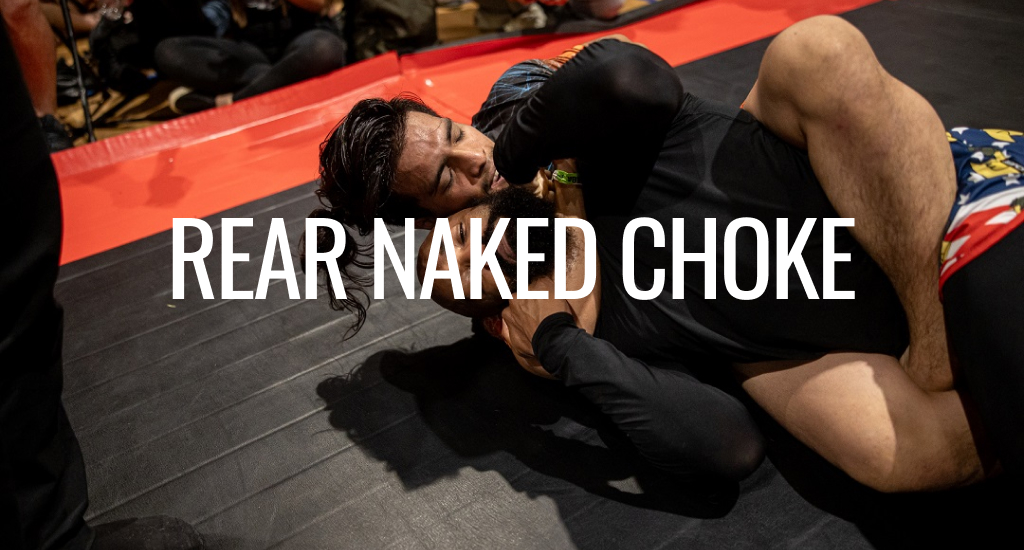
Rear Naked Choke: Complete BJJ Guide
The rear naked choke ends more fights than any other submission in grappling and MMA. Most people still get the mechanics slightly wrong — here is how to fix that.
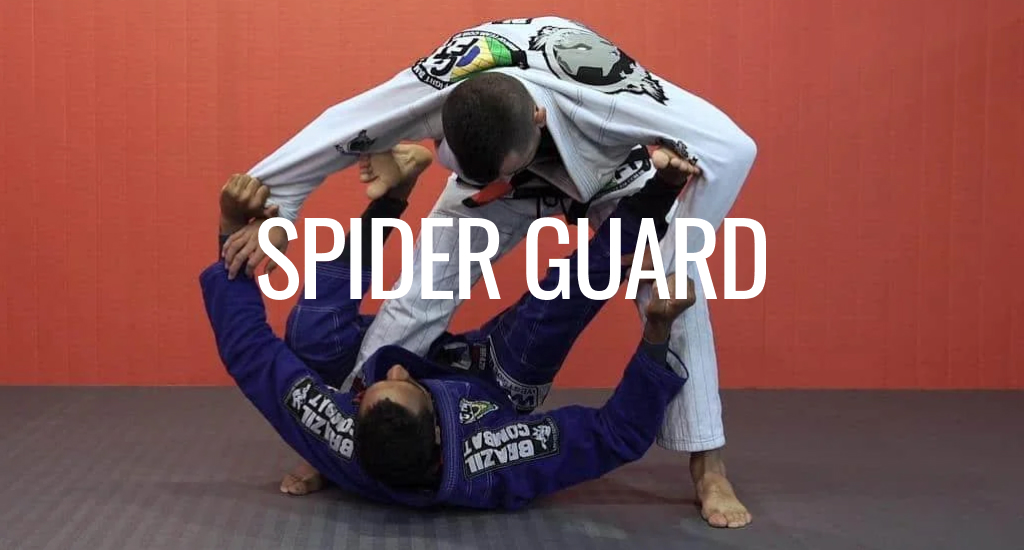
Spider Guard: Complete BJJ Guide
Spider guard turns your feet into levers and your sleeve grips into a steering wheel. Here is how to set it up, sweep from it, and defend against it.
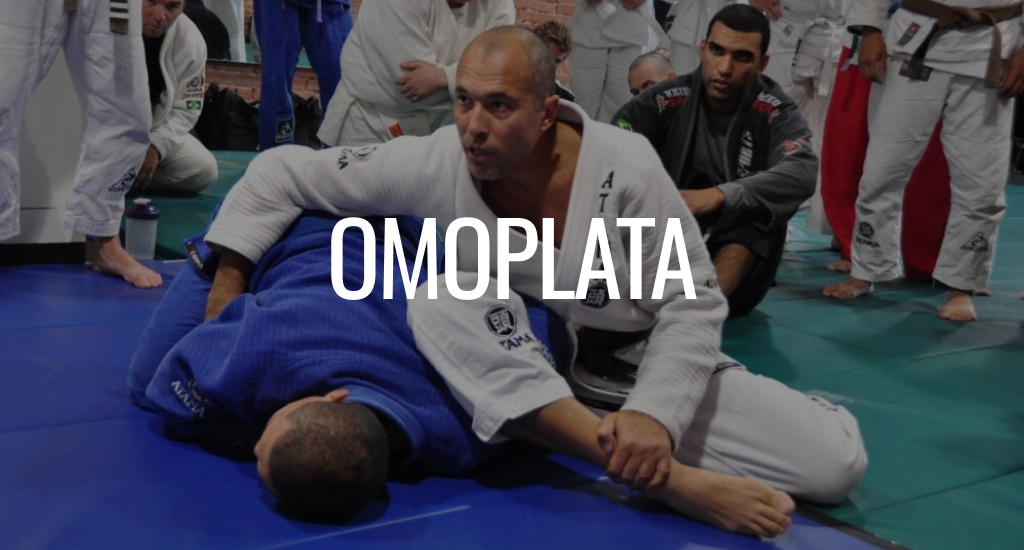
Omoplata: BJJ Shoulder Lock Guide
The omoplata is a shoulder lock you attack with your legs, and it gives you three different ways to win the exchange. Here is how to set it up and finish it.
Latest BJJ News
View All News
Competition
BJJ Competition Roundup: What to Watch in September 2026
September brings a packed grappling calendar: World Master Worlds and Jiu-Jitsu Con in Las Vegas, ADCC 2026 in Krakow, BJJ Summer Week in Sardinia, and AJP Tour stops across nine countries.
Competition
BJJ Competition Roundup: August 26, 2026
A packed day on the grappling calendar: IBJJF Brasileiro runs tonight, Main Character Jiu-Jitsu 9 follows, and Fight to Win 313 lands tomorrow morning.
Competition
IBJJF Brasileiros 2026: Tainan Dalpra Runs To Gold, Andy Murasaki Submits Everyone
Tainan Dalpra dominates his bracket on the way to another Brasileiros title, while Andy Murasaki finishes every single opponent by submission for one of the week's standout performances.
Explore the BJJ Sportswear knowledge base
BJJ Sportswear FAQ
What is BJJ Sportswear?
BJJ Sportswear is a Brazilian Jiu-Jitsu apparel brand founded in 2026. We make custom BJJ gis, rashguards, fight shorts and spats for individual grapplers and for academy team orders, and we run a free knowledge base covering technique, the belt system and a global gym directory.
Does BJJ Sportswear make custom gis for academies?
Yes. Custom academy and team orders are our core focus. We produce branded gis, matching rashguard sets, fight shorts and spats from a single supplier, with your academy logo, patch placement and colourway. Contact sales@fitmanpro.com for a quote and current minimum order quantities.
Where is BJJ Sportswear gear made?
Our gis and apparel are designed and manufactured in Pakistan, one of the main production centres for combat-sports uniforms worldwide, and shipped internationally including to the UK, UAE and Gulf region, Australia and North America.
Are BJJ Sportswear gis IBJJF legal?
Our competition gis are built to meet IBJJF gi requirements for weave, permitted colours (white, blue and black), sleeve and trouser length, and patch placement. Always check the current IBJJF rulebook for the division you compete in before an event.
How do I choose the right BJJ gi size?
BJJ gis use the A-series sizing scale (A0 to A5), which is based mainly on height and build rather than a standard clothing size. Use our gi size calculator on this site for a starting recommendation, then check the size chart against your exact height, weight and torso length.
Written by people who actually train
Every guide on this site is written and reviewed by the BJJ Sportswear editorial team — real practitioners with real mat time, not generic AI filler. Sources are cited, claims are verified, and content gets updated as rules and information change.