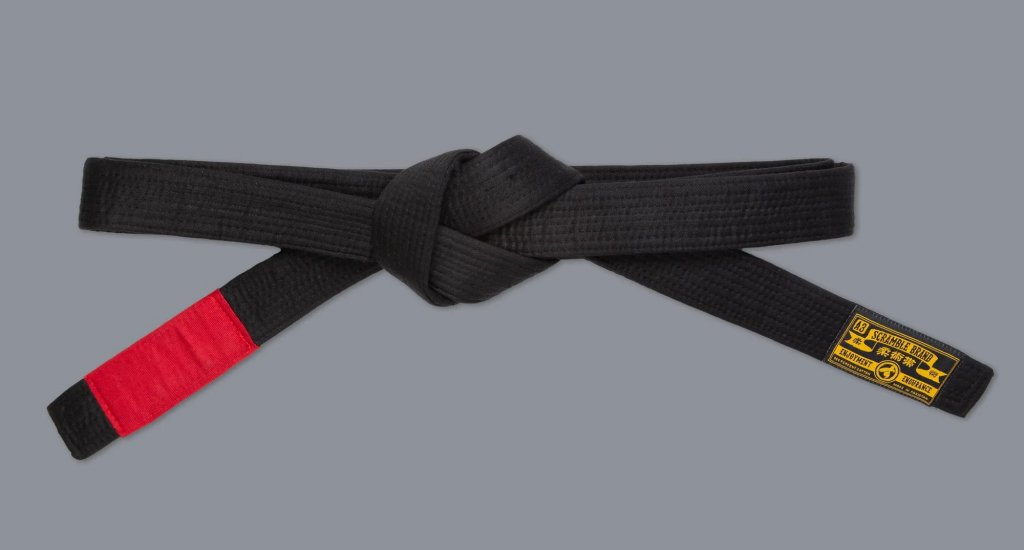
BJJ Black Belt: What It Means to Reach Expert Level
The BJJ black belt represents expert-level technical and practical skill in Brazilian Jiu-Jitsu. After 8-12 years of training through white, blue, purple, and brown belts, earning your black belt confirms you’ve mastered the art’s core curriculum and can teach others effectively. This isn’t the end of your journey—it’s the beginning of a new chapter focused on refinement, innovation, and contribution to the BJJ community.​
Black belts are typically addressed as “professor” or “coach” within the art, though some organizations reserve these titles for more senior black belt instructors. The rank carries significant responsibility as you represent not just yourself but your instructor, your academy, and your entire lineage.

Table of Contents
What Makes Someone Ready for Black Belt
Black belt requirements focus on mastery, leadership, and the ability to develop others.​
Complete Technical Mastery: You demonstrate deep understanding of the entire BJJ curriculum. This means expertise across all positions, submissions, escapes, and transitions with no significant weaknesses in your game.​
Teaching Capability: Black belts can independently train groups of students from lower belt ranks. You break down techniques clearly, design effective lesson plans, and help students at all levels improve their skills.​
Competitive Ability: You can compete successfully in well-known BJJ competitions and defeat opponents of equal skill and rank. While competition isn’t mandatory at all schools, black belts should have the ability to perform under pressure.​
Strategic Thinking: You create offensive, defensive, and escape strategies quickly during rolling. Black belts think multiple moves ahead and adapt their game plan instantly based on what’s working.​
Unique Personal Style: You’ve developed your own fighting style with signature techniques and approaches. Your game reflects years of refinement and expresses your physical attributes, preferences, and creativity.​
The IBJJF (International Brazilian Jiu-Jitsu Federation) requires practitioners to be at least 19 years old and spend a minimum of 1 year at brown belt before black belt promotion. However, the IBJJF allows coaches to waive this minimum if the practitioner wins an adult world championship at brown belt. To understand the progression to this point, read our BJJ brown belt guide.​
How Long Does It Take to Get a Black Belt?
Reaching black belt takes an average of 8-12 years of consistent training from white belt. This timeline includes approximately 1-2 years at white belt, 2-4 years at blue belt, 1.5-3 years at purple belt, and 1-2 years at brown belt.​
Training frequency dramatically impacts this timeline. Training 3-4 times per week typically results in 10-15 years to black belt. Training 5-6 times per week with competition experience can shorten this to 8-10 years. Some exceptional practitioners with full-time training reach black belt in 6-7 years, though these cases are rare.​
The journey to black belt is one of the longest in martial arts, reflecting BJJ’s emphasis on genuine expertise over participation awards. For detailed analysis of the complete timeline, read our guide on how long it takes to get a black belt in BJJ.​
Black Belt Responsibilities
Black belt brings significant teaching and leadership expectations.​
Lead Your Own Classes: Most black belts teach beginner and intermediate classes regularly. You design curriculum, demonstrate techniques, and manage class flow independently.​
Develop Lower Belts: You’re responsible for guiding students through their technical development. This means identifying weaknesses, providing personalized feedback, and creating pathways for improvement.​
Represent Your Lineage: Black belts embody the values and teaching methods of their instructor and academy. How you carry yourself, treat training partners, and teach students reflects on your entire lineage.​
Contribute to BJJ Community: Many black belts give back through competition, content creation, opening academies, or innovating techniques. Your experience positions you to advance the art in meaningful ways.​
Continue Learning: Black belt doesn’t mean you’ve learned everything—it means you’re qualified to explore the art at the highest level. The best black belts remain students, constantly refining their understanding.​
Black Belt Degrees and Progression
After earning black belt, the ranking system continues through a degree system that can span decades.​
1st-3rd Degree Black Belt: The IBJJF requires a minimum of 3 years between each of these degrees. First degree can be awarded 3 years after receiving black belt, second degree after 6 years total, and third degree after 9 years as a black belt.​
4th-6th Degree Black Belt: These require 5 years between each degree. Fourth degree comes after 14 years as a black belt, fifth after 19 years, and sixth after 24 years minimum.​
7th Degree: Red and Black Coral Belt: Requires a minimum of 7 years at 6th degree, meaning at least 31 years as a black belt. This alternating red-and-black belt is called a coral belt, and holders are addressed as “Master”. These practitioners have made enormous impacts on Brazilian Jiu-Jitsu.​
8th Degree: Red and White Coral Belt: Requires an additional 10 years at 7th degree, totaling at least 41 years as a black belt. The red-and-white belt honors those with profound global influence on BJJ.​
9th-10th Degree: Red Belt: The highest honor in BJJ, typically requiring 48+ years as a black belt. Red belts are pioneers and founders who have dedicated their entire lives to developing Brazilian Jiu-Jitsu. Only a handful of people in the world hold this rank.​
What Black Belt Represents
Black belt confirms you’ve mastered BJJ’s fundamental and advanced techniques. You can teach effectively, compete successfully, and contribute meaningfully to the art’s development.​
This belt also represents character development through years of dedication. You’ve pushed through the excitement of white belt, the frustration of blue belt, the refinement of purple belt, and the final preparation of brown belt. You’ve demonstrated commitment that most people who start BJJ never achieve—statistics show that fewer than 1% of white belts reach black belt.​
Black belt opens new opportunities including opening your own academy, coaching competitors, creating instructional content, or focusing on your own competition career at the highest level.​
The rank also brings perspective. Most black belts describe feeling like they’re just beginning to truly understand BJJ. The art’s depth becomes clearer, revealing how much more there is to explore and refine over the remaining decades of training.​
The Black Belt Mindset
Embrace the Beginner’s Mind: The best black belts remain curious and open to new ideas. Your black belt gives you authority, but staying humble keeps you learning.​
Focus on Others’ Development: Your success as a black belt is measured partly by how well your students progress. Teaching others becomes as important as developing your own skills.​
Maintain Consistency: Continue training regularly even after achieving black belt. Many black belts train 4-6 times per week for decades, constantly refining their craft.​
Give Back to the Art: Find ways to contribute that match your strengths—teaching, competing, creating content, mentoring, or innovating techniques.​
Black belt represents the beginning of mastery, not its completion. The journey from white to black belt builds your foundation. The decades that follow allow you to truly master Brazilian Jiu-Jitsu.​
To understand the complete belt progression system from white belt through black and beyond, read our comprehensive BJJ belt system guide.