

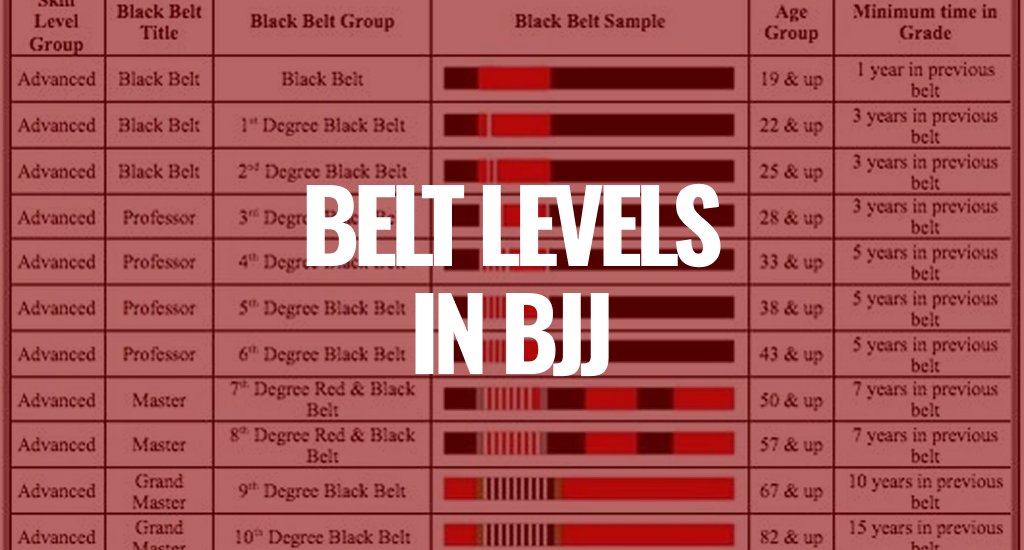
Brazilian Jiu-Jitsu, or BJJ, is a complex martial art with a structured ranking system signified by the color of the belt worn by practitioners. This article aims to provide a comprehensive guide to the BJJ belt system, shedding light on each belt level, the significance of belt promotions, and the journey from white belt to the prestigious black belt in Brazilian Jiu-Jitsu.
Table of Contents
Understanding the BJJ Belt System
What is the BJJ Belt System?
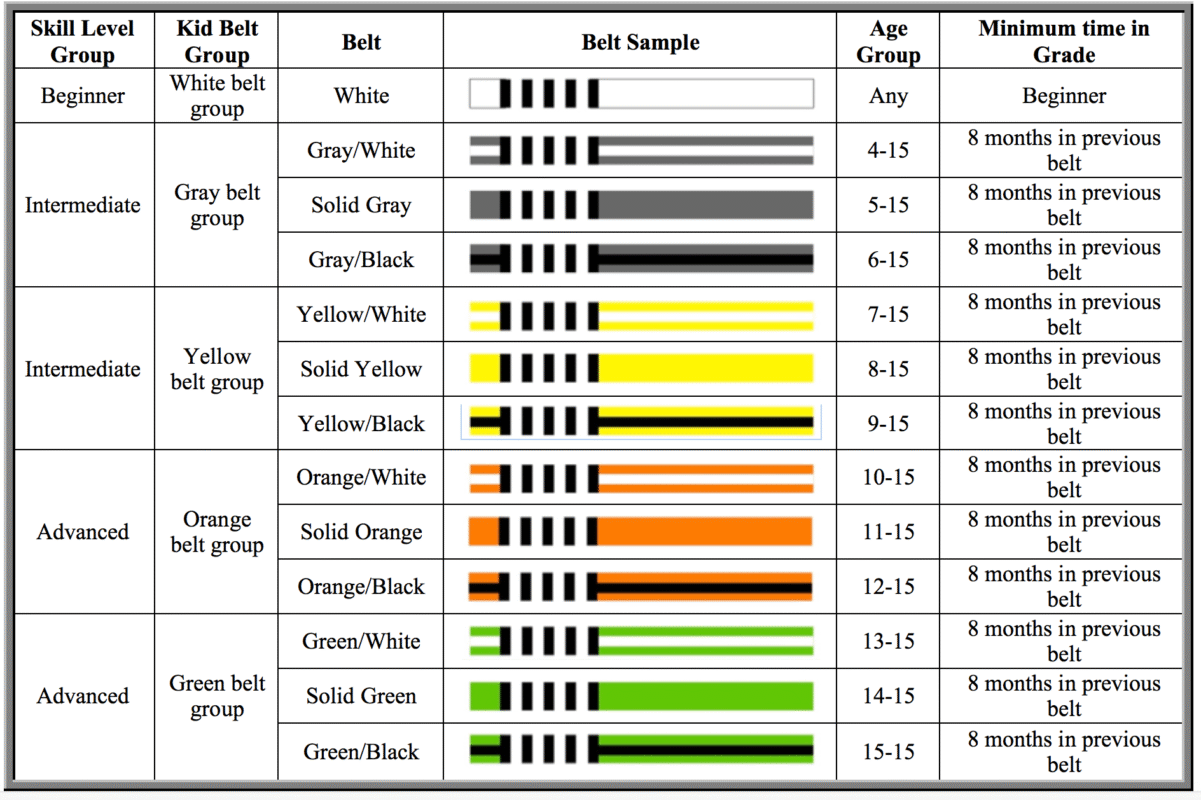
The BJJ belt system is a hierarchical structure used in Brazilian Jiu-Jitsu to denote a practitioner’s skill level and experience. It is a journey from white to black belt and beyond, with each belt color representing increasing levels of technical knowledge, strategic understanding, and practical application of jiu jitsu techniques. The color of the belt represents an athlete’s progress in BJJ training.
Importance of Belt Levels in Brazilian Jiu-Jitsu
Belt levels in Brazilian Jiu-Jitsu are more than just indicators of progress; they reflect a practitioner’s dedication, understanding, and mastery of the martial art. The belt signifies not only skill level but also the time and effort invested in refining one’s technique and building a strong foundation in the art of submission. Achieving the next belt level is a significant accomplishment in the BJJ training journey.
Overview of the Ranking System
The adult belt system in BJJ typically begins with the white belt. Belt progression can be summarized as follows:
| Belt | Description |
|---|---|
| White Belt | Initial belt in the adult system. |
| Blue Belt | Follows white belt in the typical progression. |
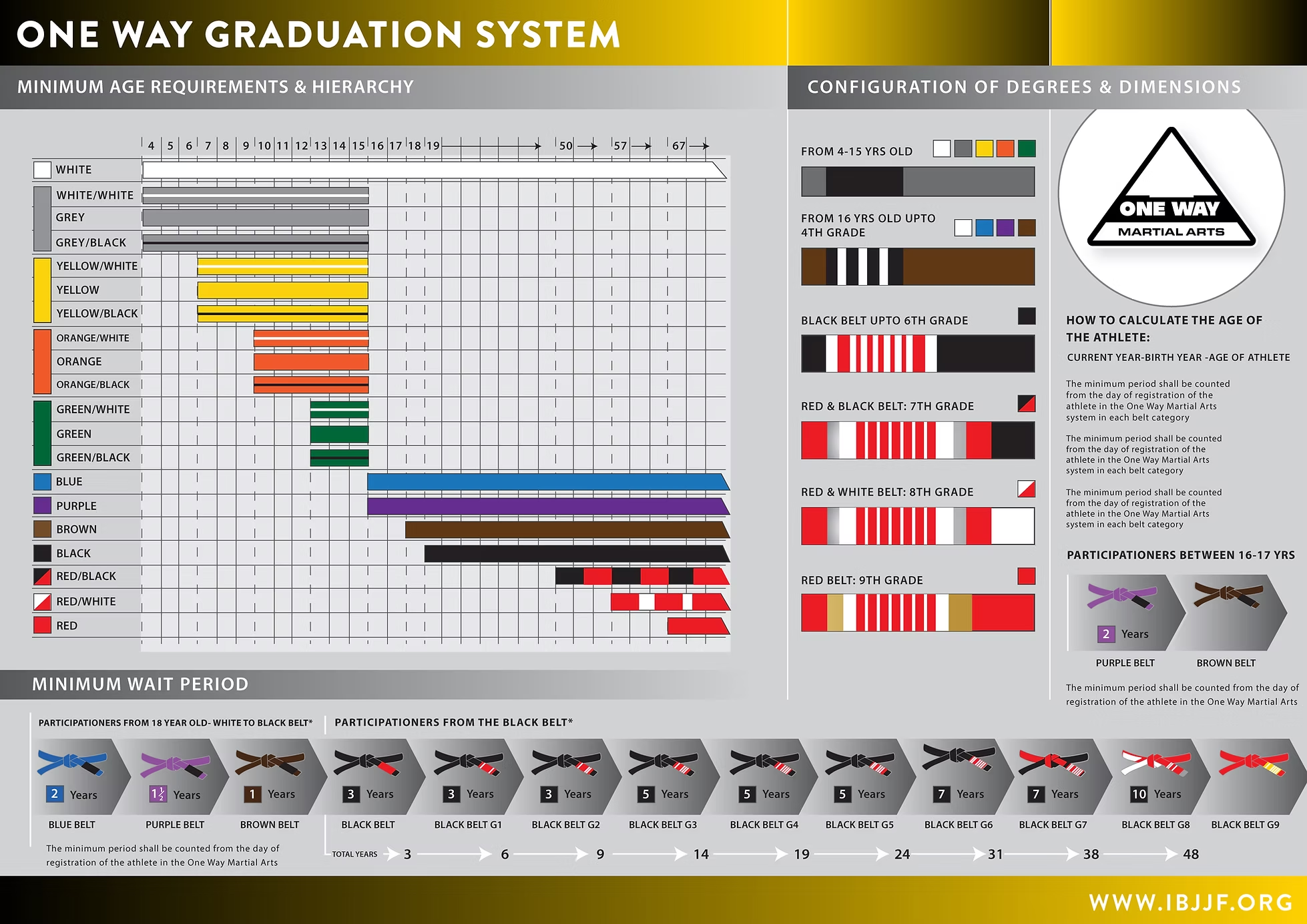
Further belts include purple, brown, and then black belt. Beyond black belt, there are further ranks, including coral belt and red belt, representing the highest levels of achievement and years of dedicated training. The International Brazilian Jiu-Jitsu Federation (IBJJF) sets standards, but individual academies may have their own criteria for belt promotions, awarding stripes as a further indication of belt progression. Belt integrity is highly valued.
BJJ Belt Levels Explained
White Belt: The Beginning of Your Journey
The white belt is the initial rank in the adult belt system of Brazilian Jiu-Jitsu. It represents a clean slate, where the practitioner is new to the fundamental concepts and basic techniques of jiu jitsu. During the white belt level, the focus is on learning self-defense, escapes, and positional awareness, building a base before the progression through the BJJ belt. It is the start of a long martial art journey from white to black belt.
Blue Belt: Building Fundamentals
The blue belt signifies that the practitioner has grasped the core fundamentals of Brazilian Jiu-Jitsu and is beginning to develop their own style. The blue belt level focuses on refining techniques, improving transitions, and enhancing overall understanding of jiu-jitsu. The athlete will spend a lot of time on the mat to refine and polish aspects of jiu-jitsu. They become a color belt and can earn four stripes on their BJJ belt.
Purple Belt: Developing Skills and Techniques
As the practitioner advances to the purple belt, they are expected to demonstrate a deeper understanding of Brazilian Jiu-Jitsu, showcasing improved skills and techniques. At this belt rank, individuals typically develop their own unique jiu jitsu style. They can anticipate submissions, and they can use transitions smoothly. The purple belt represents significant experience and skill development within the BJJ training regime and signifies an athlete with a high skill level.
Brown Belt: Preparing for Black Belt
The brown belt is a pivotal stage in the BJJ belt system, serving as a preparation phase for the prestigious black belt. Brown belts are expected to have a comprehensive understanding of jiu-jitsu, including advanced techniques, strategies, and the ability to teach and guide lower belts. It is expected they will refine their skills as a jiu-jitsu fighter. This belt reflects that they have years of dedicated training.
Black Belt: The Pinnacle of Achievement
The black belt in Brazilian Jiu-Jitsu represents the culmination of years of dedicated training and the achievement of a high level of proficiency in the martial art. A black belt signifies expertise in technique, strategy, and teaching ability. It marks not an end, but a new beginning, with continuous learning and refinement that often last more than 16 years. Reaching the jiu-jitsu black belt is an accomplishment that takes many years.
Coral Belt and Red Belt: Beyond Black
Beyond the black belt, the BJJ belt system includes several higher ranks, with promotion related to time and significant contribution to the art. These include:
- The coral belt (red and black or red and white belt).
- The red belt, representing the highest levels of achievement and contribution to Brazilian Jiu-Jitsu.
These belts are reserved for senior black belts who have dedicated decades to the art and represent the highest rank someone can achieve.
Belt Promotions in Brazilian Jiu-Jitsu
Criteria for Belt Promotions
Belt promotions in Brazilian Jiu-Jitsu are not solely based on the amount of time spent training. Instructors typically evaluate a student’s technical skill, their understanding of jiu jitsu principles, their performance during sparring, and their overall character. The criteria ensures that each belt reflects a genuine level of competence and dedication to the martial art, upholding belt integrity within the BJJ belt system.
The Journey from White to Black Belt
The journey from white to black belt in Brazilian Jiu-Jitsu is a long and challenging one, often taking ten to 16 years of dedicated training. Each belt represents a significant milestone, marked by increased technical proficiency, strategic thinking, and the ability to apply jiu jitsu techniques effectively. The progression through the BJJ belt system requires dedication, perseverance, and a commitment to continuous improvement in jiu jitsu training.
Common Myths about BJJ Belt Progression
One common myth about BJJ belt progression is that it is solely based on competition success. While competing can certainly accelerate progress, it is not the only factor. Another myth is that time equals rank; simply spending years on the mat does not guarantee a promotion. Instructors consider a wide range of factors, ensuring that each belt signifies a true representation of a practitioner’s skill level and dedication to the martial art of Brazilian jiu jitsu.
Training and Development in BJJ
The Role of Training in Belt Promotion
Consistent and dedicated training plays a crucial role in belt promotion within the BJJ belt system. Regular attendance, active participation in classes, and focused drilling of techniques are essential for developing the necessary skills and knowledge. Training allows practitioners to refine their jiu jitsu techniques, improve their understanding of the art, and prepare for the challenges of higher belt levels. The BJJ training improves the athlete’s overall ability.
Understanding the Time Commitment for Each Belt Level
Each belt level in Brazilian Jiu-Jitsu requires a significant time commitment. While the exact time varies depending on individual aptitude and training frequency, it generally takes around two years to progress from white belt to blue belt, and then progressively longer for purple, brown, and ultimately black belt. This time commitment reflects the depth and complexity of the martial art and the dedication required to master it in jiu jitsu.
Tips for Advancing Through the BJJ Belt System
To advance through the BJJ belt system, focus on building a strong foundation of fundamental techniques. Seek out quality instruction, be a dedicated training partner, and actively participate in class. Develop a strategic approach to your training, identifying your strengths and weaknesses, and work diligently to improve. Embracing the journey from white to black belt, fostering a growth mindset, and maintaining consistency will all contribute to your progression through your training.
Frequently Asked Questions
What is the Brazilian Jiu-Jitsu ranking system?
The Brazilian Jiu-Jitsu ranking system is a method used to signify a practitioner’s level of skill and knowledge in the art. It typically consists of a belt system ranging from white to black, with various colors in between.
What does each belt color signify in BJJ?
Each belt color in Brazilian Jiu-Jitsu represents a different level of mastery. Starting from the white belt, practitioners progress through blue, purple, brown, and finally reach the black belt, which is often considered the pinnacle of achievement in the sport.
How long does it take to achieve a black belt in Brazilian Jiu-Jitsu?
On average, it takes a minimum of 10 years of dedicated training to achieve the black belt in Brazilian Jiu-Jitsu. However, this time can vary based on individual commitment and skill level.
What is a BJJ belt promotion?
A BJJ belt promotion is a formal recognition of a practitioner’s progress, signifying that they have reached the required skill level to advance to the next belt rank.
What is the significance of stripes on a BJJ belt?
Stripes on a BJJ belt indicate progress within a belt level. For example, a practitioner may earn up to four stripes before being eligible for promotion to the next belt color.
What is the role of the International Brazilian Jiu-Jitsu Federation (IBJJF) in the ranking system?
The IBJJF sets the standards for belt promotions and the ranking system in Brazilian Jiu-Jitsu, ensuring consistency and integrity across schools and organizations worldwide.
What are the requirements for earning each belt in Brazilian Jiu-Jitsu?
Requirements for earning each belt can include time spent training, skill level, and the ability to demonstrate techniques. For example, practitioners must often train for a minimum of 16 years to achieve higher ranks like the coral belt.
Can you explain the journey from white to black belt?
The journey from white to black belt involves continuous learning and refinement of skills, with a focus on building knowledge of the art and demonstrating a high level of technical ability.
What does it mean to be a senior black belt in BJJ?
A senior black belt is an individual who has achieved a high level of expertise, often requiring a minimum of 10 years of training beyond the initial black belt rank, and is able to teach others effectively.
What is the difference between jiu-jitsu and judo in terms of ranking systems?
While both jiu-jitsu and judo have their own ranking systems, Brazilian Jiu-Jitsu focuses more on ground techniques and submissions, with a belt system that emphasizes skill progression, whereas judo often incorporates more standing techniques and throws in its ranking criteria.