
On This Page
Editorial Standards
Reviewed by the BJJ Sportswear Editorial Team for technical accuracy and kept current.
Brazilian Jiu Jitsu Classes: What to Expect as a Beginner
Starting Brazilian Jiu Jitsu classes can feel intimidating, but most gyms are built around beginners. Here is exactly what a class looks like and how to get through your first 90 days.
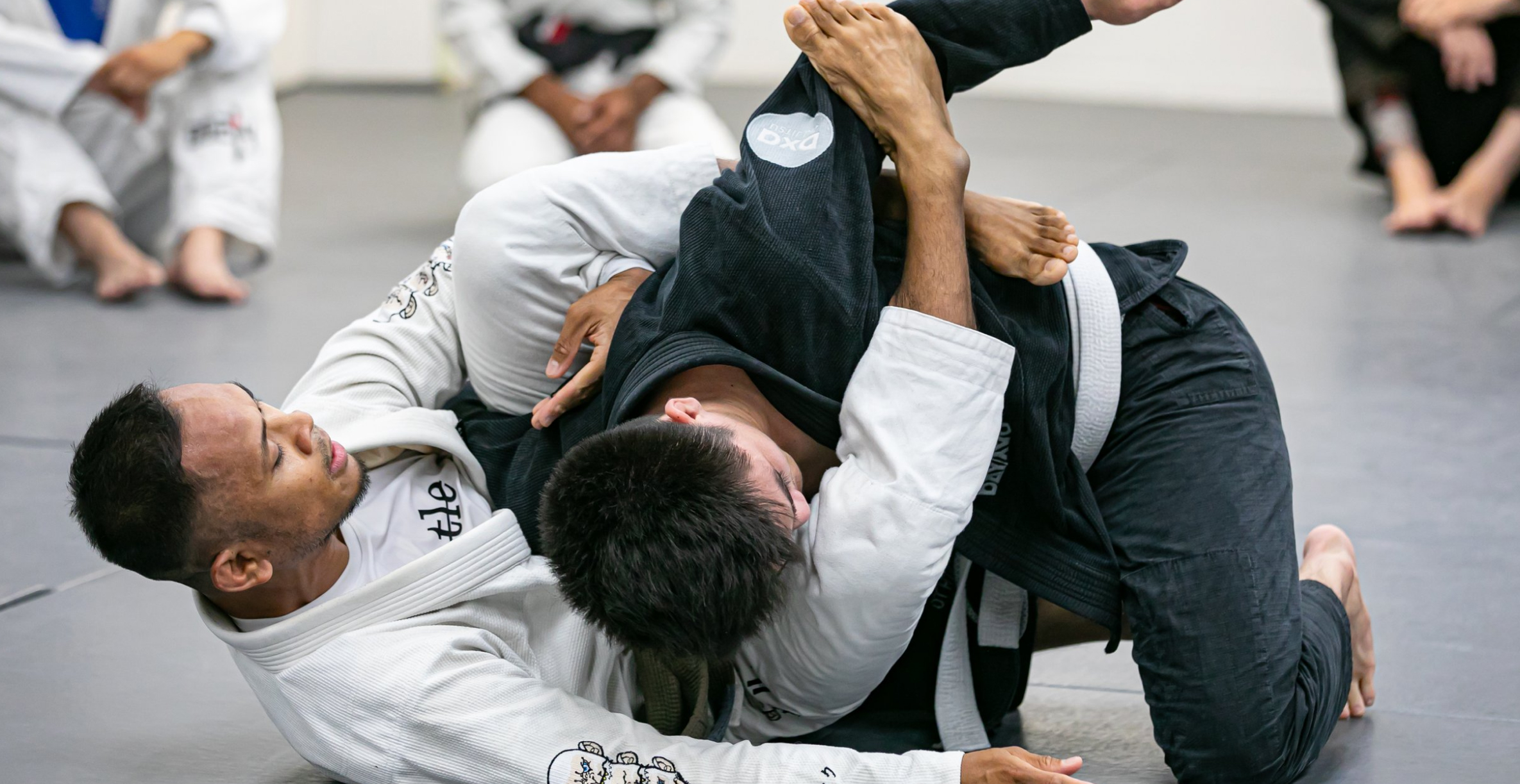
Starting Brazilian Jiu Jitsu classes can feel intimidating. You might worry about fitness, gear, getting hurt, or looking clueless in front of everyone. Here's the truth: most gyms are used to beginners who have none of that figured out. Show up with a decent attitude and a simple plan. You will be fine.
Quick Answer
Classes usually run 60–90 minutes and follow a similar pattern almost everywhere: warm-up, technique, drilling, and optional sparring. For the smoothest start, aim for two to three beginner-friendly classes a week for your first 90 days.
What Actually Happens in a Class
Most sessions break into four parts, even if gyms structure them slightly differently.
Warm-up. Movement drills — shrimping, rolls, hip escapes, technical stand-ups, and light partner movement. Some gyms keep this short; others use it as real conditioning.
Technique. The teaching portion. A coach demonstrates a position, the key details, and the common mistakes — and a good coach explains *why* the move works, not just the steps.
Drilling. This is where the real learning happens. You repeat the move with a partner. You get small corrections along the way. Want faster progress? Treat drilling as the main event, not a warm-up for sparring.
Sparring (rolling). Usually the last part of class. Some gyms let beginners roll on day one; others wait a few classes or ease in with positional sparring. If you're new, it is always fine to ask to sit out a round.
Types of Classes You'll See
Fundamentals / beginner classes focus on core positions, escapes, and basic submissions — prioritize these if you're brand new.
All-level classes mix everyone together. You can still learn a lot, but expect to feel behind at first.
Gi classes use the uniform. Grips matter more, and the pace tends to feel more methodical.
No-gi classes use a rash guard and shorts instead. It usually feels faster and more scramble-heavy.
Competition classes run at higher intensity, with more live sparring and competition-style rounds. New students can attend, but building a base first is the smarter move.
What to Wear
For gi classes, you need a gi and a belt. For no-gi, a rash guard and grappling shorts. Most gyms will let you borrow a gi for a trial class if you don't own gear yet.
Hygiene matters, and it isn't optional. Shower after training. Keep your nails cut short. Wash your gi and rash guard every single session — skin infections spread fast on shared mats. See our guide on preventing ringworm and staph in BJJ for the full prevention checklist.
Your First 30 Days
Week 1: Everything feels new. Your only real goal is learning how the room works.
Week 2: You start remembering position names and can move without thinking quite so hard.
Week 3: Patterns start clicking. You might hit a basic escape or guard recovery live for the first time.
Week 4: You'll still get tapped — a lot — but you should feel calmer and less panicked in bad spots.
How Often Should You Train?
For most adults, two to three classes a week is a solid start — enough repetition to build real skill without burning out. You can add more once your body adapts to the new movement demands.
Finding a Good Gym
The best gym is the one you'll actually show up to consistently, so start close to home or work rather than picking the most famous name in your city. During a trial, look for:
- Clean mats and clear hygiene rules
- A structured fundamentals program
- A safe training culture — no ego, no bullying
- Coaches who can break details down for beginners
- A schedule you can realistically follow
Belt Levels and Progression
Belts aren't just about time on the mats — they reflect skill, consistency, and each coach's own standards for their students. See our belt system guide for how progression typically works.
Sparring Safety
Rolling is where you test what you've learned, and also where beginners make avoidable mistakes. Keep these rules in every session:
- Tap early and tap often
- Never rip a submission
- Skip any leg lock you don't fully understand the rules for
- Breathe and move slowly when you're stuck in a bad spot
- Ask a higher belt to flow-roll with you if you're overwhelmed
What Classes Cost
Pricing varies a lot by city, gym reputation, and what's included — some gyms run month-to-month, others use contracts. Get the actual number from a couple of gyms near you before committing.
A Simple 90-Day Plan
Weeks 1–4 — learn the room. Two to three classes a week. Focus on survival, basic escapes, and one guard.
Weeks 5–8 — build one "A game." Pick a position you land in often — closed guard or side control, for example — and add one sweep, one submission, and one escape from it.
Weeks 9–12 — pressure test. Start more live rounds from that position, and ask your coach for one correction per class instead of trying to fix everything at once.
Special Class Options
Kids and teens programs are usually shorter and more game-based, with an emphasis on safety and age/size grouping. Women's classes, where offered, can help new students feel more comfortable early on and are often a sign of a well-run, inclusive gym. Private lessons speed up learning through direct feedback but cost more — if you can only afford one or two, use them to fix a specific recurring problem rather than a general tune-up.
Red Flags to Watch For
Most gyms are good, but watch for these during a trial: no beginner path, with new students thrown straight into hard sparring; dirty mats or no hygiene rules; a coach who pushes "winning" over safe learning; or no clear, reliable schedule. Multiple red flags at once means it's worth trying somewhere else.
FAQ
Are BJJ classes good for self-defense? Yes, especially at gyms that emphasize positioning, escapes, and control under resistance rather than just submissions.
Should I start with gi or no-gi? Whichever fits your schedule. If you can only train two days a week, consistency matters more than which uniform you're in.
Do I need to be in shape first? No — most people get in shape *from* training consistently, not before it.
Final Thoughts
If you're looking for a place to start, try two gyms and pick the one with the better culture and the schedule that actually fits your life. Then commit for 90 days before judging anything. If you eventually want to compete, IBJJF-sanctioned events are the most common route, though plenty of gyms compete in other organizations too.
Tagged with:#beginners#classes#getting started
Frequently Asked Questions
How long are Brazilian Jiu Jitsu classes?
Most classes run 60 to 90 minutes and follow a similar structure: warm-up, technique instruction, drilling, and optional sparring at the end.
How many times a week should a beginner train BJJ?
Two to three classes a week is a solid starting cadence for most adults — enough repetition to build real skill without risking burnout or injury from overtraining too soon.
Do I need to be fit before starting BJJ classes?
No. Most people build their fitness through consistent training rather than needing to arrive already in shape. Gyms are used to working with complete beginners.
What should I wear to my first BJJ class?
For gi classes, you'll need a gi and belt — most gyms will lend you one for a trial. For no-gi classes, a rash guard and grappling shorts. Either way, skip cotton t-shirts and gym shorts with pockets or zippers, since they catch fingers and toes during grappling.
How much do BJJ classes typically cost?
Pricing varies widely by city, gym reputation, and what's included, from budget community programs to premium academies with contracts. Get exact numbers from a couple of gyms near you — a trial class is the best way to compare value, not just price.
Sources & Further Reading
About the Author
Mohsin AyubBJJ practitioner, 6 years — Gracie Barra
Founder & Editor, BJJ Sportswear
Mohsin has trained Brazilian Jiu-Jitsu for six years at Gracie Barra and has competed at IBJJF-affiliated tournaments. He writes about competition, gear, and athlete careers, and founded BJJ Sportswear to help grapplers find equipment and information they can trust.
- Six years training Brazilian Jiu-Jitsu at Gracie Barra
- Competed at IBJJF-affiliated tournaments
- Writes on BJJ competition, gear testing, and athlete careers
This article was last reviewed and updated on 2026-08-18.