
Heel Hook: The Complete Safety & Technique Guide

Heel Hook: The Complete Safety & Technique Guide
By BJJ Sportswear Editorial Team
Reviewed by competitive black belts specializing in leg lock systems and safe training practices | Last Updated: January 12, 2026

⚠️ SAFETY WARNING: Heel hooks are the most dangerous submission in BJJ. This technique can cause career-ending knee injuries in seconds. Always practice with experienced supervision, communicate with training partners, and tap immediately when caught. This article is for educational purposes—never practice heel hooks without proper instruction from a qualified black belt.

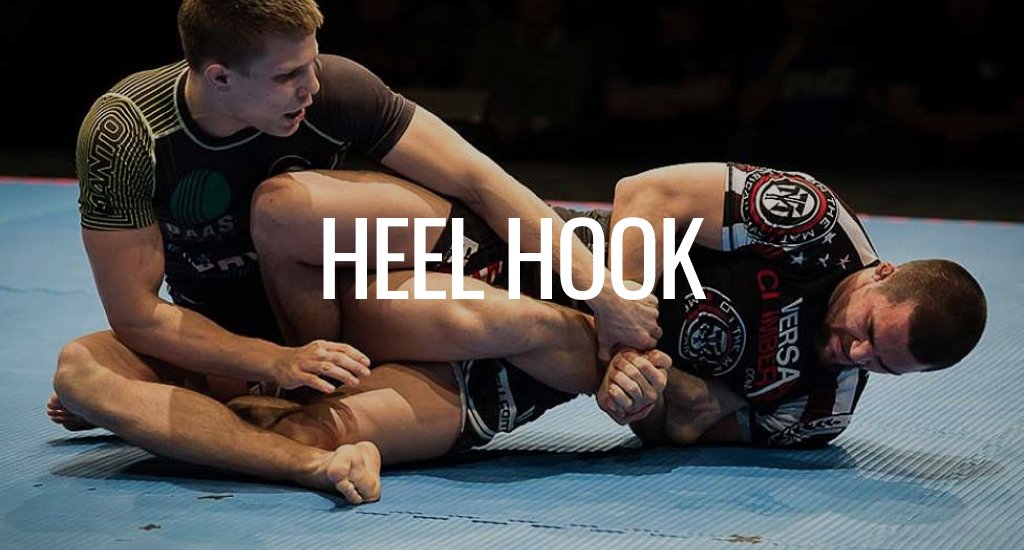
The heel hook is a leg-based submission that attacks the knee joint by controlling your opponent’s leg and twisting the heel laterally or medially, creating rotational torque that damages the ACL, MCL, LCL, and ankle ligaments. What makes this technique revolutionary is John Danaher’s systematic approach—transforming heel hooks from “cheap techniques” into the foundation of modern no-gi grappling, with his Death Squad students (Gordon Ryan, Garry Tonon, Eddie Cummings) dominating ADCC and changing BJJ forever.​

According to Evolve MMA, for many years, the heel hook has been viewed as highly risky, even when compared to its contemporaries like the straight ankle lock, toe hold, and kneebar. In fact, many tournaments, including IBJJF competitions, did not allow their competitors to use heel hooks until recently. It was just this year that the IBJJF has allowed both reaping and heel hooks for No-Gi competitions—for brown and black belts only.

Elite Sports emphasizes danger: The heel hook is arguably the most dangerous submission hold as it can isolate the femur and rotate the tibia beyond its normal range of motion. Moreover, it directly attacks the ligaments, which have fewer sensory receptors compared to other body structures. If too much pressure is applied, it can tear the MCL, ACL, and LCL ligaments in the knee, destroying almost everything below the hip.

After coaching hundreds of students and implementing safe leg lock training protocols, I cannot emphasize enough: heel hooks require respect, proper instruction, and extreme caution. Unlike chokes where you feel pressure building, heel hooks attack ligaments with minimal warning—by the time you feel pain, damage may already be done.

Whether you’re a brown belt beginning leg lock study or a black belt refining your game, understanding heel hook mechanics, safety protocols, and proper application is essential for modern no-gi grappling.

Heel Hook

What Is a Heel Hook?

Evolve MMA defines: A heel hook is a leg-based submission that aims to twist the foot either medially or laterally using the heel. This technique puts immense pressure on the ankle, causing damage to the foot and the knee.

Core Heel Hook Components:

  • Leg entanglement (ashi garami) to control leg
  • Grip heel with elbow crook (blade of forearm)
  • Toes controlled in armpit or by lats
  • Hip bridge creates rotational force
  • Attacks knee joint (ACL, MCL, LCL)
  • Also damages ankle ligaments
  • Outside heel hook (heel rotates away from body)
  • Inside heel hook (heel rotates toward body – MORE DANGEROUS)
  • No-gi technique (legal brown/black belt only at IBJJF)

Elite Sports explains mechanism: The heel hook aims at twisting the foot either laterally or medially by using the heel. The whole body is used to generate a twisting motion, which creates severe torque on the ankle. This technique exerts immense pressure on the ankle, hence, damaging the knee and the foot.

Understanding single leg X guard helps you see connection to heel hooks—SLX is primary entry position for modern leg attacks.

The Heel Hook Revolution

Ancient Origins to Modern BJJ

Elite Sports chronicles history:

Ancient History:

  • Originated 1,000+ years ago
  • Ancient Greece Pankration artwork shows heel hooks
  • Ancient Egypt wrestling drawings illustrated leg attacks
  • Roman culture adopted from Greeks

Brazilian History:

  • 1960s: Ivan Gomes brought attention to heel hooks in Brazil
  • Teacher: Takeo Yano (Japanese instructor) taught heel hooks in Northeast Brazil
  • Carlson Gracie quote: “The heel hook we use today was created by Ivan”
  • Jose Gomes correction: “The heel hook existed before us. It came through Japanese that landed here in Northeast Brazil”

Stigma Era (1970s-1990s):

  • BJJ sport rules banned heel hooks
  • Considered “cheap way to win”
  • Frowned upon for decades
  • Believed inferior to guard passing

John Danaher’s Revolution

Elite Sports describes modern era: In the late 1990s, heel hooks slowly made their way back to the sport once Jiu-Jitsu opened its doors to foreign competitors. Dean Lister and John Danaher were among the first grapplers who popularized the use of heel hooks in BJJ.

The Danaher Death Squad:

  • John Danaher: Systematized leg locks
  • Gordon Ryan: 3x ADCC Champion, multiple-time WNO Champion
  • Garry Tonon: ADCC medalist, ONE Championship fighter
  • Eddie Cummings: Leg lock specialist
  • Craig Jones: ADCC medalist

ADCC Dominance:

  • 2015-2019: Death Squad dominated with leg locks
  • Changed modern no-gi forever
  • Forced everyone to learn heel hook defense
  • Made leg locks essential (not optional)

⚠️ SAFETY: Why Heel Hooks Are Dangerous

BJJ Fanatics warns: When a student attempts to submit their opponent with a heel hook, it is one of those submissions that can put significant pressure on the knee joint almost instantaneously. If this submission is applied too recklessly, it can result in an opponent, or a training partner tearing their ACL, dislocating their knee, or even breaking bones in their leg.

Why Ligaments Don’t Warn You

Critical Safety Principle:

  • Ligaments have FEWER pain receptors than muscles
  • You don’t feel warning pain
  • By time you feel discomfort, damage is done
  • Unlike armbars (you feel pressure building)
  • Heel hooks attack silently

Elite Sports emphasizes: The heel hook directly attacks the ligaments, which have fewer sensory receptors compared to other body structures.

BJ Penn vs. Ryan Hall Example

Evolve MMA describes: The fight between former UFC champion BJ Penn, and BJJ specialist Ryan Hall is an excellent example of this. BJ Penn was caught in an inside (inverted) heel hook. He mistakenly rolled the opposite way and was forced to quickly tap to the submission.

Lesson: One wrong movement = instant injury.

What Gets Damaged

Elite Sports lists injuries:

Ligaments Destroyed:

  • ACL (Anterior Cruciate Ligament): Connects femur to tibia
  • MCL (Medial Collateral Ligament): Inside of knee
  • LCL (Lateral Collateral Ligament): Outside of knee
  • Ankle ligaments: Multiple structures

Result: Career-ending damage. Months/years of recovery. Possible permanent disability.

Heel Hook Legality and Rules

BJJ Fanatics explains IBJJF rules: Executing heel hooks are only legal at the IBJJF level, for brown and black belts in the No Gi division. While a practitioner is competing in BJJ tournaments, utilising any form of heel hook whilst wearing the Gi is completely illegal.

IBJJF Legality:

  • White Belt: ILLEGAL (all divisions)
  • Blue Belt: ILLEGAL (all divisions)
  • Purple Belt: ILLEGAL (all divisions)
  • Brown Belt: Legal NO-GI ONLY
  • Black Belt: Legal NO-GI ONLY
  • Gi Divisions: ILLEGAL at ALL belt levels

Other Organizations:

  • ADCC: Legal (all experience levels in adult divisions)
  • EBI: Legal
  • SUG: Legal
  • NAGA: Legal at intermediate/advanced
  • Grappling Industries: Varies by division

Executing Heel Hooks Safely

Step-by-Step Basic Heel Hook

Elite Sports teaches fundamentals:

Step 1: Control the Leg (Ashi Garami)

Elite Sports emphasizes: The key to performing a heel hook is to control the opponent’s leg. If you fail to establish control of the leg before twisting the heel, you won’t be able to get the submission.

  • Enter ashi garami (leg entanglement)
  • Control leg ABOVE the knee
  • Hips aligned with opponent
  • Triangle legs around their thigh
  • Isolate target leg
  • Position before submission!

Step 2: Bend the Leg

  • Bend opponent’s leg approximately 90 degrees
  • Maintain hip alignment
  • No space for escape
  • Keep leg controlled with your legs

Step 3: Secure the Heel

  • Elbow crook behind their heel
  • Blade of forearm creates hook
  • Toes controlled in armpit (outside HH)
  • Or toes controlled by lats (inside HH)
  • Lock hands (Gable grip or S-grip)

Step 4: Bridge and Finish

  • Bridge hips toward their knee
  • Rotate heel (outside or inside)
  • Use ENTIRE body (not just arms)
  • Slow, controlled pressure
  • STOP at first tap indication!

Outside Heel Hook

Elite Sports describes: The term outside means that your opponent’s heels are rotated away from the body.

Outside HH Mechanics:

  • Applied from ashi garami position
  • Elbow crook behind heel
  • Toes in armpit on SAME side
  • Bridge into knee
  • Heel rotates AWAY from body
  • Attacks lateral (outside) knee structures

John Danaher emphasizes: The mechanism of control (ashi garami) and mechanism of the break (heel hook) must work together.

Inside Heel Hook (MORE DANGEROUS!)

Elite Sports warns: Also known as the reverse or inverted heel hook, this variation is considered the most deadly of all heel hooks.

Inside HH Mechanics:

  • Applied from inside position (honey hole/411)
  • Elbow crook behind heel
  • Toes controlled by LATS and upper arm
  • Bridge into knee
  • Heel rotates TOWARD body (medially)
  • More direct attack on knee
  • SLOWER application required!

Evolve MMA emphasizes danger: Most grapplers agree that the inside version is more damaging.

Reddit safety warning: Inside heel hooks will always hurt the foot less than outside heel hooks because the ligaments on the inside of the foot are way stronger. As such the break transfers to the knee faster, making them more dangerous. Therefore please be very slow applying every inside heel hook.

Primary Heel Hook Positions

Ashi Garami (Standard Position)

Elite Sports describes: Ashi Garami is the most important and basic leg lock position which attacks the opponent’s legs by using joint locks.

Setup:

  • Your legs wrap opponent’s leg
  • Their leg extended
  • Outside heel hook available
  • Most common entry

Honey Hole / 411 / Inside Sankaku

Elite Sports explains: Your front leg is placed over your opponent’s leg and your back leg is kept behind your opponent’s thigh, isolating the target leg.

Setup:

  • Front leg over their leg
  • Back leg behind their thigh
  • Maximum isolation
  • Inside heel hook position
  • Extremely dangerous

50/50 Guard

Elite Sports describes: 50/50 is a position in which your inside legs are intertwined with your opponent’s inside legs, putting you both in the same position. You are both vulnerable to the same attack.

Setup:

  • Mirrored leg entanglement
  • Both can attack heel hooks
  • Whoever controls better wins
  • High-level chess match

Training Heel Hooks Safely

Communication is CRITICAL

BJJ Prehab emphasizes: Clear communication with your training partners is essential to avoid accidental injuries. Always let your partner know if you feel discomfort, pain, or pressure during a heel hook submission, and tap out if necessary.

Safety Protocols:

  • Tap EARLY (don’t test your limits!)
  • Tap LOUDLY (verbal “TAP!”)
  • Tap MULTIPLE times (slap mat repeatedly)
  • Communicate constantly (“That’s tight,” “I feel it,” etc.)
  • STOP immediately when partner taps

When to Start Training

Elite Sports recommends: The heel hook is an advanced move that is mostly performed by only experienced grapplers with a comprehensive understanding of the technique. However, all grapplers should have a basic understanding of leg attacks including the heel hook, regardless of the belt color.

Progression:

  • White/Blue Belt: Learn to DEFEND only
  • Purple Belt: Begin controlled drilling with black belt supervision
  • Brown Belt: Slow rolling with heel hooks
  • Black Belt: Full application (still cautious!)

Drilling Protocol

Safe Training Steps:

  1. Learn positions first (ashi garami variations)
  2. Drill entries slowly (no finishing)
  3. Practice grips (control before breaking)
  4. Slow bridging (feel the mechanics)
  5. Partner gives feedback (constant communication)
  6. Never “finish” in drilling (catch and release)

Defending Heel Hooks

Early Escape Principles

Priority Order:

  1. Don’t let them control your leg (prevent ashi garami)
  2. Clear your knee line (rotate to face them)
  3. Remove their leg triangle (kick out)
  4. Strip their grips (hands on their wrists)
  5. If all else fails: TAP EARLY!

Common Escape Mistakes

BJJ Fanatics warns: It is extremely important to tread carefully, and tap early when on the receiving end of a heel hook. It is also extremely important to be extra vigilant when attempting heel hooks, as opponents can often try and spin out of danger, which can cause serious injury.

NEVER:

  • ❌ Roll against the pressure (BJ Penn mistake!)
  • ❌ Try to “tough it out”
  • ❌ Wait to feel pain
  • ❌ Explosively yank leg out
  • ❌ Ignore knee discomfort

ALWAYS:

  • ✅ Tap at first sign of control
  • ✅ Communicate with partner
  • ✅ Roll WITH the pressure (if must roll)
  • ✅ Treat every heel hook as dangerous
  • ✅ Tap early, tap often

Integration with BJJ Game

Connection to Guard Systems

Entry Points:

Modern No-Gi Essential

Evolve MMA emphasizes necessity: It is also widely accepted that heel hooks are a key component in ADCC success. This means that if you want to take your game to the next level, including leg attacks into your regular training is a must.

Why Essential:

  • ADCC requires leg lock knowledge
  • Gordon Ryan dominance proves effectiveness
  • Can’t compete at high level without them
  • Defense alone requires understanding
  • Modern game demands it

The Heel Hook Legacy

From ancient Greek Pankration to John Danaher’s systematic revolution and Gordon Ryan’s ADCC dominance, the heel hook represents grappling’s most controversial and effective submission. What changed everything was Danaher’s transformation of leg locks from “cheap techniques” into sophisticated positional systems—proving that heel hooks aren’t dangerous when done right, they’re dangerous when done wrong.

Evolve MMA concludes: It is a common saying the rear naked choke is the king of upper body submissions. We believe it’s time to place the heel hook in the same podium and consider it in the same tier as the venerable RNC.

The heel hook proves a fundamental grappling truth: the most powerful techniques demand the most respect. While submission grappling evolves, one principle remains constant—safety, communication, and proper instruction make heel hooks effective training tools rather than injury factories.

Whether you’re studying leg lock defense or developing your attacking game, understanding heel hook mechanics, safety protocols, and proper application is essential for modern Brazilian Jiu-Jitsu.

Remember: Tap early, train smart, and always prioritize your training partners’ safety over tapping them out.


How We Reviewed This Article

Editorial Standards: Technical information verified through John Danaher instructional content, ADCC competition analysis, medical documentation of heel hook injuries, and contemporary leg lock specialists. Safety protocols reviewed by competitive black belts and sports medicine professionals. Historical information verified through Brazilian BJJ lineage documentation and IBJJF rule changes. All safety warnings emphasized based on documented injury patterns and medical recommendations.

Sources Referenced:

  • Evolve MMA (heel hook mechanics and history)
  • Elite Sports (comprehensive technical guide)
  • BJJ Fanatics (legality and John Danaher system)
  • Reddit BJJ community (safety mechanics)
  • BJJ Prehab (injury prevention)

Last Updated: January 12, 2026

Scroll to Top