

Heel Hook: The Complete Safety & Technique Guide
By BJJ Sportswear Editorial Team
Reviewed by competitive black belts | Last Updated: February 1, 2026
The Heel Hook is the nuclear weapon of Brazilian Jiu-Jitsu.
For decades, it was banned in almost every academy. It was seen as “too dangerous.” But with the rise of modern No-Gi grappling, the Heel Hook is now essential knowledge. If you don’t know it, you will lose to it.
However, with great power comes great responsibility. This guide breaks down how to apply the Heel Hook effectively and, more importantly, how to train it without destroying your partner’s knees.
Table of Contents
What is a Heel Hook?
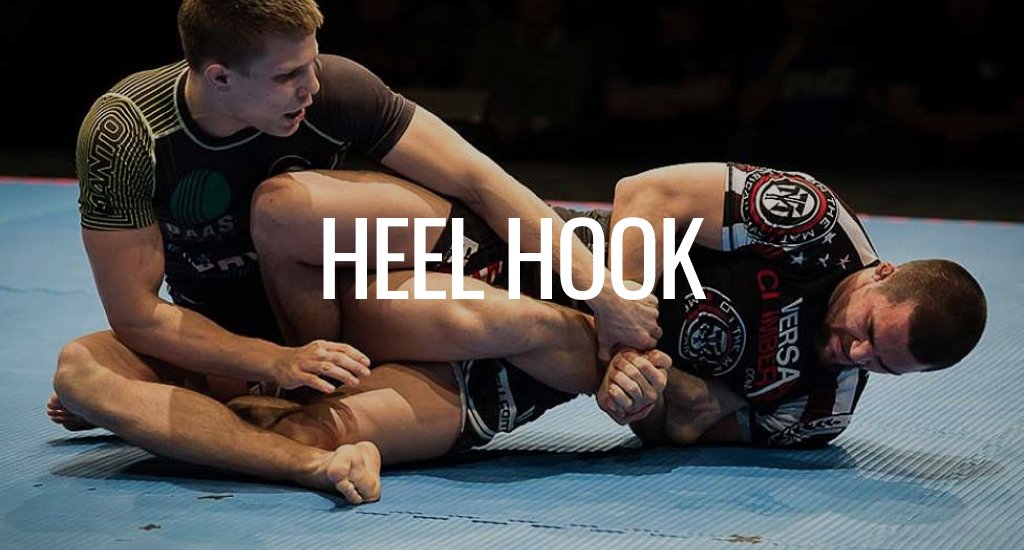
A Heel Hook is a leg lock that twists the opponent’s heel to apply rotational force to the knee joint.
- The Grip: You trap the opponent’s toes in your armpit and hook their heel with your wrist.
- The Torque: By twisting your body, you rotate their foot. Since the leg is trapped, the torque travels up the shin and tears the ligaments in the knee (ACL, MCL, LCL).
- The Danger: Unlike an armbar, there is often no pain before the snap. Once you feel pain, the damage is already done.
Inside vs. Outside Heel Hook
There are two main variations, and one is significantly more dangerous.
1. Outside Heel Hook
- Position: The opponent’s leg is on the outside of your body (e.g., standard Single Leg X or Ashi Garami).
- Target: Primarily attacks the ankle and the LCL (outside knee ligament).
- Severity: Severe, but often allows slightly more time to tap.
2. Inside Heel Hook (The Widowmaker)
- Position: The opponent’s leg crosses your centerline (e.g., Honey Hole / Saddle).
- Target: Attacks the ACL and MCL (inside knee ligaments).
- Severity: Catastrophic. As discussions on Inside vs Outside mechanics highlight, this position offers the least range of motion and the highest breaking potential.
Heel Hook Specialists: Who to Study?
If you want to master this position, you need to watch the pioneers who refined it.
- Gordon Ryan: The greatest No-Gi grappler of all time. He refined the “Systematic” approach to breaking legs, focusing on trapping the hips before attacking the heel.
- John Danaher: The mastermind behind the modern leg lock system. His “Leglocks: Enter the System” instructional changed the sport forever.
- Craig Jones: Famous for his “Z-Guard” entries into the inside heel hook.
- Lachlan Giles: The giant slayer. He used the outside heel hook and 50/50 guard to submit three heavyweights in one night at ADCC 2019.
- Rousimar Palhares: An older example of raw power. While controversial for holding submissions too long, his mechanics were undeniable.
The Golden Rules of Heel Hook Safety
If you are going to train heel hooks, you must follow these rules to keep your partners safe.
1. Catch and Release
In training, never “crank” a heel hook.
- The Standard: Secure the grip, immobilize the knee, and hold it. Do not twist. If they don’t tap, let go and move on.
- The Eye Contact: Look at your partner. If you have the position, acknowledge it and reset.
2. Respect the Tap
If you are caught, tap immediately. Do not try to spin out if you don’t know what you are doing. Spinning the wrong way will snap your own leg.
3. Never in the Gi
Friction from the Gi pants makes it impossible for the leg to slip, making the break happen even faster. Most gyms strictly ban heel hooks in the Gi to prevent catastrophic injury.
Is the Heel Hook Legal?
As of 2026, the rules are:
- IBJJF No-Gi: Legal for Brown and Black Belts only. Illegal for all other belts.
- ADCC / NAGA: Legal for Intermediate/Advanced divisions.
- IBJJF Gi: Illegal for ALL belts (Immediate Disqualification).
How to Defend (The Right Way)
Panic is your enemy.
- Hide the Heel: Point your toes and turn your heel flat against the mat. If they can’t touch your heel, they can’t hook it. Craig Jones explains that hiding the heel is the first line of defense.
- Clear the Knee Line: Pull your knee free from their hip entanglement. If your knee is free, there is no leverage.
- Hand Fight: Peel their hands off your foot immediately. Two hands on one.
- Escape: If you are late, you may need to kick off (boot) or transition to a Straight Ankle Lock counter.
Conclusion
The Heel Hook is a technique that demands respect. It is arguably the most effective submission in No-Gi grappling, but it requires a mature training partner.
Study the tape of Gordon Ryan and Lachlan Giles to see how they control the position before they finish the lock.