
On This Page
Editorial Standards
Reviewed by the BJJ Sportswear Editorial Team for technical accuracy and kept current.
How Should a BJJ Gi Fit? The Complete Fit Guide
A gi that fits well disappears the moment you start training. Here is exactly what correct fit looks like at every part of the gi, and a quick test you can run at home.
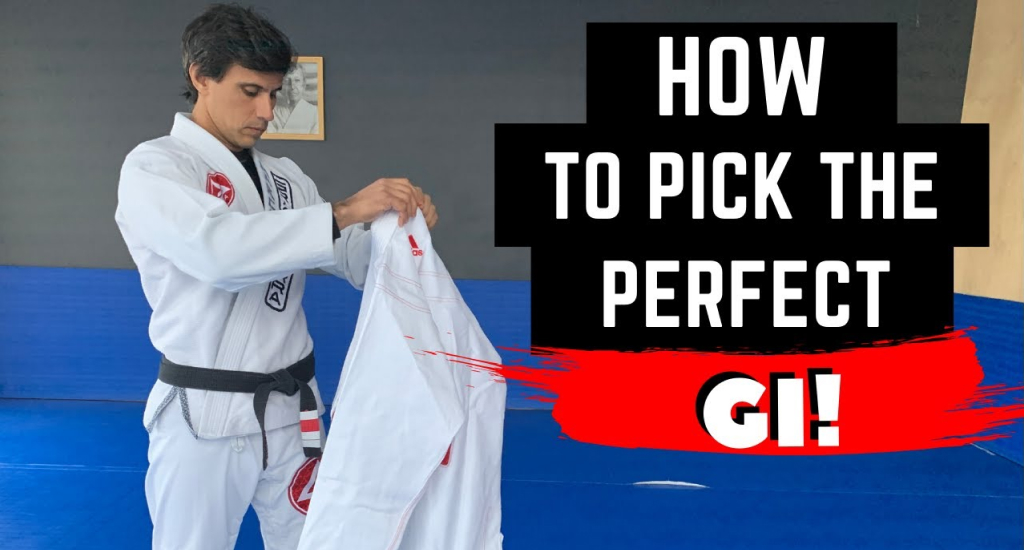
You just signed up at a local academy, and the instructor told you to grab a gi before your next class. You find a size chart online and immediately hit a wall — A1L? A2H? And once the gi shows up, how do you actually know if it fits right?
It is a fair question, and it deserves a real answer. A gi that fits well makes you harder to grip and easier to move in. A gi that fits poorly works against you every single round. Here is exactly what correct fit looks like, piece by piece.
Why Gi Fit Actually Matters in BJJ
In most sports, fit is about comfort. In BJJ, it is strategic. Your training partners grab your collar, yank your sleeves, and pull your lapels through every round. Extra fabric is not just sloppy — it is a handle. The more loose cloth your opponent can grab, the more leverage they have over you.
At the same time, a gi cut too tight limits your movement. Try shooting your hips out for a sweep, or extending into an armbar, when your jacket is pulling across your back. It slows you down and can strain your muscles over time.
The goal is fit that sits close to the body without restricting it — enough room to move freely, not enough spare fabric to hand your opponent a grip.
The BJJ Gi Sizing System, Briefly
Most brands use a letter-number code. "A" means Adult. The number marks the size range. Extra letters mark body-proportion variants: L for long, H for heavy or husky, S for short.
- A0 — under 130 lbs, 5'4" or shorter
- A1 — roughly 130–160 lbs
- A2 — roughly 160–185 lbs
- A3 — roughly 185–215 lbs
- A4 — 215–245 lbs
- A5 — 245 lbs and up
Women's gis use a separate F-series (F1–F4), cut for female proportions: narrower shoulders, a tapered waist, wider hips. Kids' gis typically use an M-series or C-series. None of this is standardized across brands, so a Tatami A2 and a Fuji A2 can fit noticeably differently on the same body — always cross-check the brand's own chart. For the full size tables, see our BJJ gi size chart.
How the Jacket Should Fit
The jacket is where most grip-fighting happens, so getting this right matters most.
Shoulder seam: Stand in front of a mirror. The seam should sit right at the bony tip of your shoulder. If it droops a couple inches down your arm, the jacket is too big. If it pulls in toward your neck, it is too small. This one check tells you more than almost anything else.
Chest and back: The jacket should lay flat with enough room to take a full breath and raise your arms without the fabric pulling across your back. You should be able to slide a flat hand inside against your chest with a little resistance — not hang loose like an oversized shirt.
Hem length: The bottom hem should reach about mid-thigh standing upright. This is not just style — IBJJF rules require the jacket to cover the top of the thigh. A jacket ending at your hips is too short. One reaching your knees hands your opponent extra fabric to grab.
Sleeve length: Extend your arm straight out at shoulder height. The cuff should fall within about 2 cm of your wrist bone — close, but not covering your hand. That 2 cm gap is also the IBJJF competition standard. If sleeves run long across most brands you try, look for a short-torso or "S" variant. If they run short everywhere, look for "L" sizing.
How the Pants Should Fit
Waist: Gi pants use a drawstring rather than a fitted waistband. They should sit comfortably at or just below your natural waist and stay put without needing to be cinched aggressively. If they slide down the moment you start drilling, the waist is too big.
Hips and thighs: This matters most for guard players — legs in the air, knees driving out, hips rotating. The thighs need room for a full squat, a sprawl, and a wide butterfly guard without pulling tight. If you feel restriction sitting cross-legged or bringing a knee to your chest, size up in the pants while keeping the jacket true to size.
Leg length: IBJJF rules require pants to fall within 5 cm of the ankle bone. In practice, that is somewhere around mid-ankle to just above it. Pants stopping at mid-calf are too short. Pants bunching on top of your feet are too long — and a tripping hazard during transitions.
Shrinkage: The Mistake Most Beginners Make
This is where a lot of new practitioners get caught out. They buy a gi that fits perfectly, wash it hot, throw it in the dryer, and end up with something that fits like a costume.
Most gis — especially 100% cotton ones — shrink. How much depends on three things:
- Fabric: pure cotton shrinks more than blended fabric. Pearl weave and ripstop blends resist shrinkage better.
- Water temperature: hot water shrinks a gi far more than cold. The gap between a cold wash and a hot one can be nearly a full size.
- The dryer: this is the biggest factor by far. One high-heat tumble cycle can shrink a gi dramatically. Air drying keeps shrinkage close to zero.
As a rough rule, expect a new 100% cotton gi to shrink about one full size if washed hot and machine dried. Many experienced grapplers buy a size up on purpose — an A3 instead of their usual A2 — then use hot washes and the dryer to bring it down to target. Once it is at the size you want, switch to cold washes and hang-dry from then on. That locks the size in and extends the gi's life. If you would rather skip the guesswork, look for gis labeled pre-shrunk — what you see on the chart is what you get.
IBJJF Gi Fit Rules for Competitors
If you are stepping onto an IBJJF-sanctioned mat, your gi gets inspected before you compete, and a non-conforming gi can mean disqualification. The key requirements:
- Jacket must reach the top of the thigh
- Sleeve cuff must fall within 2 cm of the wrist, arm extended
- Pants must sit within 5 cm of the ankle bone
- Collar must be 1.3–5 cm thick
- Gi must be entirely white, blue, or black — no mixed colors
- Patches and logos follow event-specific size and placement rules
Rules get updated periodically, so check the current IBJJF rulebook before you compete — staying compliant is on you, not the referee.
Men's vs. Women's Gi Fit
Standard A-series gis are built around male proportions: broader shoulders, narrower hips, a longer torso relative to leg length. Women training in a standard cut often end up with jackets too wide at the shoulder and pants too long in the seat.
Most quality brands now offer a dedicated F-series line, cut with narrower tapered shoulders, a nipped waist, wider hip room, and sleeve and leg lengths scaled for a female frame. If you are training in a standard-cut gi, you can make it work by sizing down the jacket and managing the waist with the drawstring — but a true female cut will almost always move and feel better through a full session.
A 5-Move Fit Test You Can Run at Home
Before you wash a new gi, run through these checks:
- Raise both arms overhead. The jacket hem should stay at or below hip level, not ride up to your ribs.
- Do a deep squat. The pants should not pull tight across the hips or thighs.
- Extend both arms forward at shoulder height. Sleeve cuffs should land close to your wrist bones.
- Drop into a sprawl, hips down, chest up. Nothing should bunch or bind.
- Reach one arm across your body like you are grabbing a collar. You should not feel fabric pulling across your back.
Pass all five and you are in good shape. Fail more than one, and it is worth reconsidering the size — or trying a different brand's cut.
Final Thoughts
Getting gi fit right pays off every session. When it is dialed in, you stop thinking about the gi entirely — sleeves stay where they belong, the jacket does not ride up mid-scramble, the pants do not slide during a takedown. You just train.
Measure yourself, check the chart, factor in shrinkage, and run the movement test before you commit. Your training partners will thank you for not handing them extra fabric to grab.
Tagged with:#gi fit#buying guide#gi
Frequently Asked Questions
How do I know if my BJJ gi jacket fits correctly?
Check the shoulder seam first — it should sit right at the bony tip of your shoulder, not droop down your arm or pull toward your neck. The hem should reach mid-thigh, and the sleeve cuff should fall within about 2 cm of your wrist with your arm extended.
Should I size up my gi to account for shrinkage?
For 100% cotton gis, yes — many grapplers buy one size up and use a hot wash plus dryer cycle to shrink it down intentionally, roughly a full size. Pearl weave, ripstop, and pre-shrunk gis are more stable and should be bought true to size.
What are the IBJJF gi fit requirements for competition?
The jacket must reach the top of the thigh, sleeve cuffs must fall within 2 cm of the wrist with the arm extended, and pants must sit within 5 cm of the ankle bone. The gi must also be entirely one IBJJF-approved color, with no mixed colors.
How should BJJ gi pants fit?
The waist should sit comfortably without needing the drawstring cinched aggressively, with room through the hips and thighs for a full squat, sprawl, and butterfly guard. Pant legs should land around mid-ankle to just above it — too short rides up mid-calf, too long bunches on top of your feet and becomes a tripping hazard.
Do women need a different gi fit than men?
Usually, yes. Standard A-series gis are patterned for male proportions, which often leaves the shoulders too wide and the torso too long on a female frame. F-series gis address this with a nipped waist, wider hip allowance, and sleeve and jacket length scaled to female proportions.
Sources & Further Reading
About the Author
Mohsin AyubBJJ practitioner, 6 years — Gracie Barra
Founder & Editor, BJJ Sportswear
Mohsin has trained Brazilian Jiu-Jitsu for six years at Gracie Barra and has competed at IBJJF-affiliated tournaments. He writes about competition, gear, and athlete careers, and founded BJJ Sportswear to help grapplers find equipment and information they can trust.
- Six years training Brazilian Jiu-Jitsu at Gracie Barra
- Competed at IBJJF-affiliated tournaments
- Writes on BJJ competition, gear testing, and athlete careers
This article was last reviewed and updated on 2026-08-18.