On This Page
Editorial Standards
Reviewed by the BJJ Sportswear Editorial Team for technical accuracy and kept current.
Double Leg Takedown: Complete BJJ Guide
The double leg is wrestling's most fundamental takedown, and one of the highest-percentage ways to start a match on top. Here is how it works.
Why It's Called the King of Takedowns
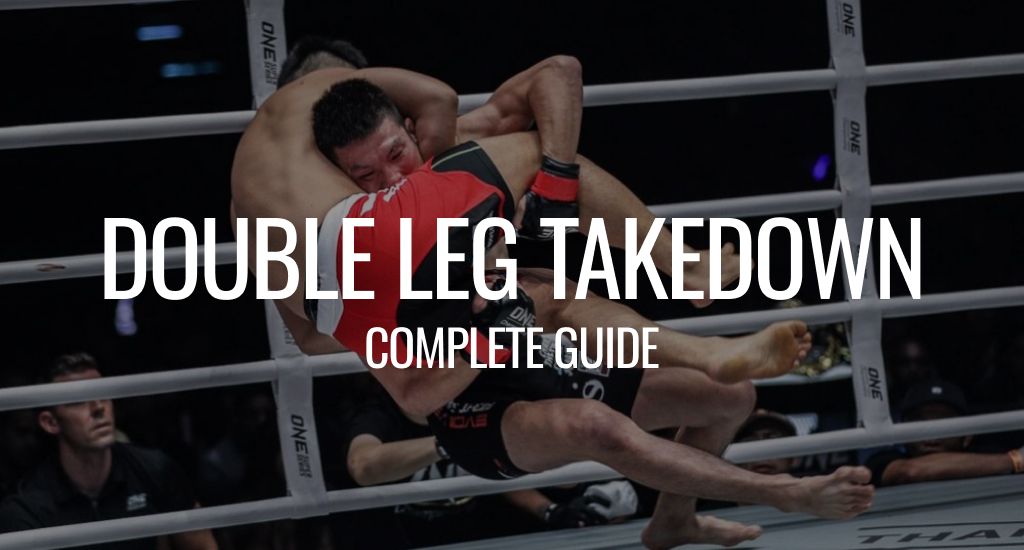
The double leg takedown is wrestling's most fundamental attack. BJJ competitors rely on it constantly. You drive through both of your opponent's legs at once, taking away their base completely. Few takedowns are as high-percentage once you understand the mechanics.
The Blast Double
- Change your level by bending your knees, not your back.
- Drive forward, penetrating with your lead leg between your opponent's legs.
- Wrap both arms around their legs, head pressed against their chest.
- Drive through and lift, finishing with your opponent flat on their back.
The Technical Double
This version keeps your head on the outside instead of driving straight through the chest. You trade some raw power for better control. You also lower the risk of getting caught in a guillotine choke on the way in.
Common Setups
- The arm drag, pulling your opponent's arm across their body to open an angle.
- The snap down, forcing their head down to break posture before shooting.
- A simple level change fake, drawing a reaction before you commit to the real shot.
Common Mistakes
- Looking down during the shot instead of keeping your eyes up. This throws off your balance.
- Shooting from too far away, giving your opponent time to sprawl.
- Failing to secure both legs fully before trying to lift or drive.
Watch Out for the Guillotine
Diving in with your head down and centered is exactly how guillotine chokes happen. Keep your head to the side. Keep your penetration step sharp. Both habits keep your neck out of a bad spot.
Understanding takedowns pairs naturally with knowing what happens after you land in top position. Our mount escape guide and side control escape guide cover the other side of that exchange.
Tagged with:#double leg takedown#wrestling#takedowns
Frequently Asked Questions
What is the difference between a blast double and technical double?
The blast double drives straight through your opponent's chest for maximum power. The technical double keeps your head outside for better control and a lower risk of getting caught in a guillotine choke.
How do I avoid getting guillotined on a double leg?
Keep your head to the side rather than centered, and make your penetration step sharp and decisive rather than slow, which gives your opponent time to lock the choke.
Is the double leg takedown legal in BJJ competition?
Yes. Takedowns are legal at every belt level under IBJJF rules and score points, though slamming an opponent to avoid a submission is not.
What is the best setup for a double leg takedown?
An arm drag, a snap down, or a simple level change fake all work well, since each one draws a reaction that opens the angle before you actually commit to the shot.
About the Author
Mohsin AyubBJJ practitioner, 6 years — Gracie Barra
Founder & Editor, BJJ Sportswear
Mohsin has trained Brazilian Jiu-Jitsu for six years at Gracie Barra and has competed at IBJJF-affiliated tournaments. He writes about competition, gear, and athlete careers, and founded BJJ Sportswear to help grapplers find equipment and information they can trust.
- Six years training Brazilian Jiu-Jitsu at Gracie Barra
- Competed at IBJJF-affiliated tournaments
- Writes on BJJ competition, gear testing, and athlete careers
This article was last reviewed and updated on 2026-08-01.