
On This Page
Editorial Standards
Reviewed by the BJJ Sportswear Editorial Team for technical accuracy and kept current.
Are BJJ Dummies Worth It? An Honest Buyer's Guide
A grappling dummy will never grip fight or scramble back. But for solo reps between classes, it can genuinely sharpen your mechanics — if you use it the right way.
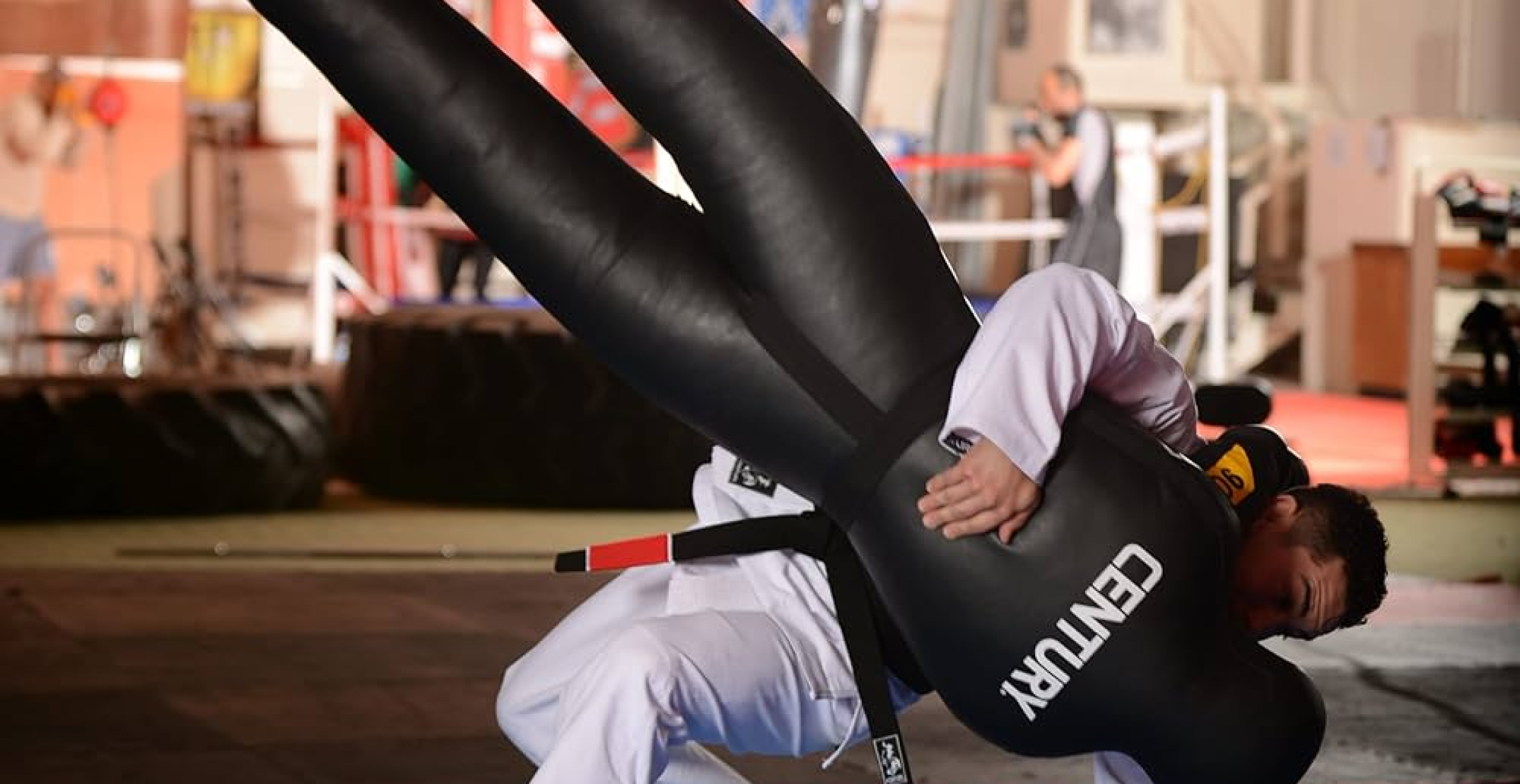
If you train BJJ and want more reps at home, you have probably wondered whether a grappling dummy is worth buying. It is a fair question, and the honest answer is: it depends on what you expect it to do.
This guide gives you a straight answer — what a dummy actually helps with, who it is worth it for, how to pick one, and a simple routine to get real value out of it.
The Short Answer
A BJJ dummy is worth it if you train 2–4 times a week and want more drilling volume between classes, or if your schedule makes it hard to always find a partner for home reps. It is less worth it if your biggest weakness is live timing, reactions, and decision-making under pressure — a dummy cannot help with any of that — or if you already have a reliable partner to drill with.
What a Dummy Can (and Cannot) Do
A grappling dummy is a human-shaped tool you can move, pin, and reset for repeat reps. That is its whole value: it lets you rehearse mechanics on demand, even training alone.
What it will not do is grip fight, frame, scramble, or surprise you. It will not punish a mistake the way a resisting partner will. The dummy only pays off when you treat it as mechanics practice, then pressure-test those mechanics with a coach and live training. If you are brand new to the sport, get your foundation first — our first class guide covers what to expect before you start layering on solo drills.
When a Dummy Is Most Useful
A dummy shines when your goal is clean movement and clean positioning, not live problem-solving. Good use cases:
- Top control transitions — side control to mount to side control
- Submission mechanics — angles, grips, hip position
- Reps right after class, while the lesson is still fresh
- Low-stress drilling when you do not want a hard round
It can also help while returning from injury, since you control the pace and avoid wild scrambles. If you suspect a real ligament issue, get it evaluated properly rather than guessing — do not use dummy work as a substitute for medical advice.
Buying Guide: Picking the Right Dummy
Type. Stuffable (unfilled) dummies let you control firmness and weight yourself. Pre-filled dummies are easier out of the box but harder to ship and store. Throwing-focused dummies are heavier and built for impact — useful for takedown entries, often too much for pure ground drilling.
Size and weight. Pick something close to your usual training partners' size. Too heavy and you will train slow and sloppy; too light and you never learn real pressure.
Limbs and realism. More realistic arms and legs make submission reps far more useful, especially for triangles and armbars where limb angle matters.
Stitching. Reinforced seams at the shoulders, hips, and knees matter most — weak seams fail fast and kill consistency.
Storage. Decide where it will actually live before you buy. A dummy left on the floor becomes clutter within a week.
What to avoid: novelty models that collapse, tear, or feel like a pillow. If it cannot hold its shape through a clean rep, it is not worth the money.
Filling It Properly
If you buy unfilled, the fill affects every rep. Old clothes are cheap but often uneven and soft. Fabric scraps pack denser and hold shape better. Foam pieces tend to feel the most body-like when packed tight. Pack the torso and hips first and keep the core firm — a stable core makes pins and transitions feel far more realistic, then fill the limbs evenly.
A Simple 20-Minute Routine
- 3 minutes — warm-up: hip escapes, bridges, technical stand-ups
- 6 minutes — pin transitions: side control to mount to side control
- 6 minutes — submission mechanics: armbar position, kimura sequence, back-take entry
- 3 minutes — back control basics: seatbelt grip, head position, safe side
- 2 minutes — notes: write down one question for your coach
Keep the pace smooth. Do not chase speed — chase clean reps.
Three rules that actually get results:
- One theme per session. Pick a single goal, like mount control, and stay there.
- Count clean reps, not time. If you are resetting every ten seconds, fix your structure before adding more reps.
- Test it in class. If a drill does not show up in live rounds, either change what you are drilling or have your coach check your details.
A dummy works best alongside 2–4 classes a week, with one or two short solo sessions layered on top — reps on the same position you trained in class, not a separate curriculum.
Safety Notes
Do not crank joint locks at full force on a dummy — there is no tap, and bad habits built here transfer straight into live rolling. Avoid risky jumping or throwing drills on a hard floor. If you pick up a minor sprain, treat it properly and give it time before drilling again.
Pros and Cons
Pros: you can drill whenever you want, repeat the same move as many times as needed, and practice uncomfortable pressure positions without wearing out a partner's patience.
Cons: no reactions, no grip fighting, no counters. Some dummies are genuinely hard to store, and cheap models fall apart fast.
Quick FAQ
Worth it for beginners? Yes, if you use it to repeat what your coach already taught you. No, if you use it to invent random moves and build habits nobody checked.
Good for guard passing? It teaches the pathway and pressure points, but real guard passing still needs a partner who frames and re-guards against you.
Can it help with submissions? Yes for mechanics and angles — armbars, kimuras, triangles all benefit. You still need live partners to test timing and defense against resistance.
What size should I buy? Something close to your typical training partners' size and build, so the angles and hip distance match what you will actually feel in class.
Final Verdict
For most students training a few times a week, a BJJ dummy is worth it — as long as you use it to drill what you have already learned, keep sessions short and focused, and always bring the reps back to live rounds for a real pressure test. A dummy can sharpen mechanics, but it cannot replicate the resisting opponent that IBJJF-style competition and everyday sparring actually demand.
Tagged with:#gear#buying guide#home training
Frequently Asked Questions
Are BJJ dummies worth it for beginners?
Yes, if used to repeat fundamentals a coach has already taught, reinforcing mechanics between classes. They are not worth it if used to invent untested moves, since bad habits built alone can carry over into live rolling.
Can a BJJ dummy help with submissions?
Yes, for mechanics and angles — armbars, kimuras, and triangles all benefit from repeat reps on a dummy. Live partners are still needed to test timing and defense against real resistance.
What size BJJ dummy should I buy?
Pick a size and weight close to your typical training partners. Matching their build keeps the angles and hip distance realistic, so the reps transfer better to actual sparring.
How do you fill a BJJ grappling dummy?
Pack the torso and hips first with your chosen fill — old clothes, fabric scraps, or foam pieces — keeping the core firm, then fill the limbs evenly. A stable, firm core makes pins and transitions feel far more realistic than loosely stuffed limbs.
Sources & Further Reading
About the Author
Mohsin AyubBJJ practitioner, 6 years — Gracie Barra
Founder & Editor, BJJ Sportswear
Mohsin has trained Brazilian Jiu-Jitsu for six years at Gracie Barra and has competed at IBJJF-affiliated tournaments. He writes about competition, gear, and athlete careers, and founded BJJ Sportswear to help grapplers find equipment and information they can trust.
- Six years training Brazilian Jiu-Jitsu at Gracie Barra
- Competed at IBJJF-affiliated tournaments
- Writes on BJJ competition, gear testing, and athlete careers
This article was last reviewed and updated on 2026-08-18.