

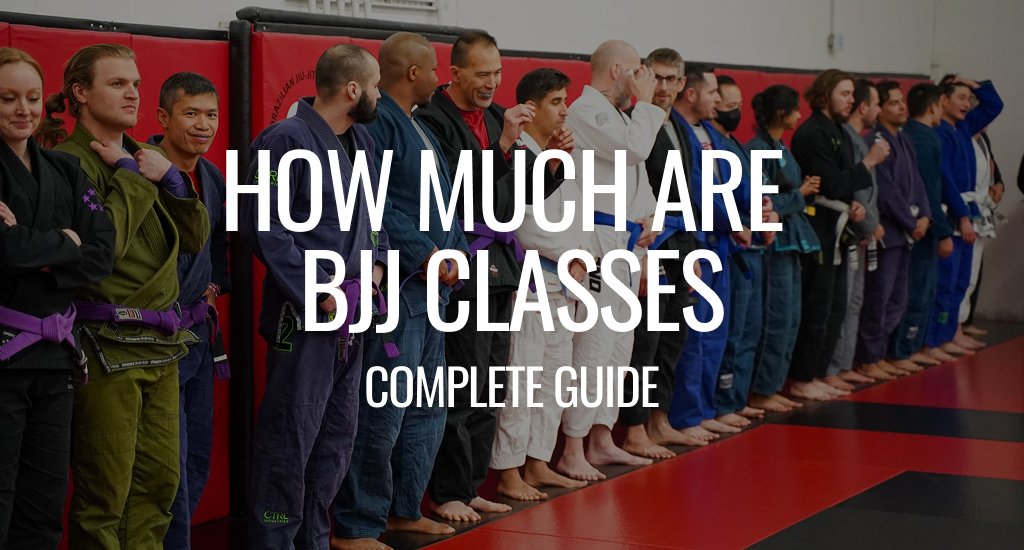
How Much Are Jiu Jitsu Classes?
By BJJ Sportswear Editorial Team
Reviewed by BJJ academy owners, pricing analysts, and martial arts business experts | Last Updated: January 15, 2026
If you have decided to start your grappling journey, the first question you likely have is: how much are jiu jitsu classes? Unlike a standard commercial gym where you pay $20 a month to use a treadmill, Brazilian Jiu-Jitsu (BJJ) is a specialized skill taught by expert instructors.
As of 2026, the cost of training varies significantly based on your location, the academy’s reputation, and your membership type. In this guide, we will break down the monthly tuition, the “hidden” startup costs, and how to find the best value for your budget.
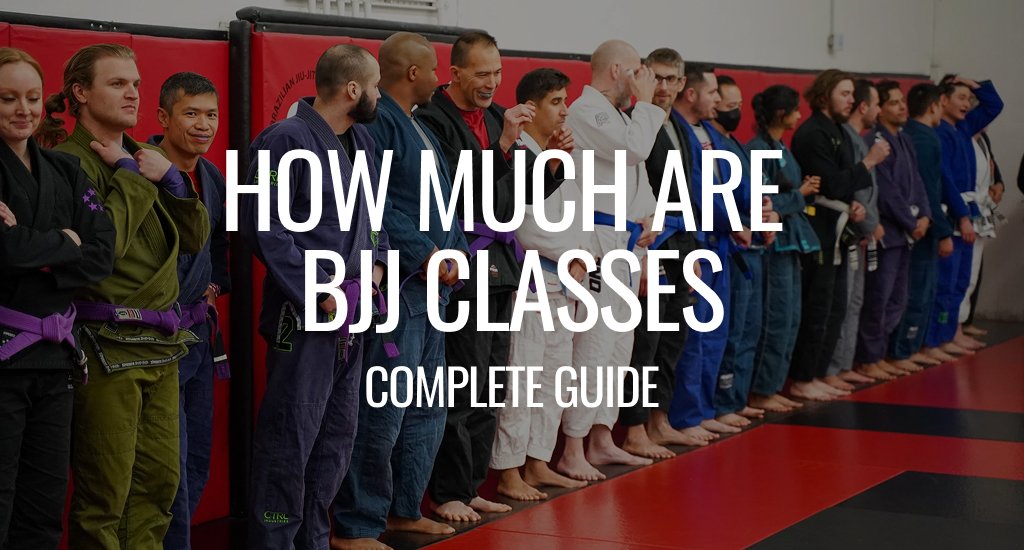
Table of Contents
The Average Cost of BJJ Classes in 2026
On average, you can expect to pay between $120 and $200 per month for a standard BJJ membership in the United States. However, this range can fluctuate depending on where you live and how often you train.
Monthly Membership Breakdown
Most academies offer tiered pricing based on training frequency:
- Limited (2x per week): $100 – $140 per month.
- Unlimited (Standard): $150 – $210 per month.
- Private Lessons: $75 – $150 per hour.
Regional Pricing: A Global Perspective
Geography is the biggest factor in determining how much is jiu jitsu a month. High-cost-of-living areas naturally command higher tuition fees to cover gym rent and overhead.
Major US Hubs
- New York & Los Angeles: Expect to pay a premium. Monthly rates in these hubs often start at $250 and can reach $350 at elite academies. For specific local recommendations, see our guides on BJJ Gyms in New York and Top Gyms in Los Angeles.
- San Diego: Often called the BJJ capital of the world, rates here are competitive but reflect the high level of instruction, usually around $200 – $225. Check out the Best Gyms in San Diego.
- Sacramento & Phoenix: These growing markets offer world-class training typically priced between $140 and $180. Explore the Top Gyms in Sacramento and Phoenix, Arizona.
- Honolulu, Hawaii: Given the rich history of BJJ in Hawaii, you can expect to pay roughly $150 – $200. View our Honolulu BJJ Guide.
International & Canadian Markets
- Dubai, UAE: As a rising global hub for grappling, BJJ in Dubai ranges from $180 to $260 (AED 650 – 950).
- Canada (Vancouver, Toronto, Calgary): In major Canadian cities, monthly fees usually hover between $160 and $220 CAD. You can find detailed breakdowns for Vancouver, Toronto, and Calgary.
Factors That Influence the Price
When asking how much are jiu jitsu classes, it is important to understand what you are actually paying for:
- Instructor Credentials: Training under a world-renowned black belt or an ADCC veteran costs more than a club run by a local purple belt.
- Academy Affiliation: Large networks often have higher fees due to brand value and standardized curricula.
- Facility Amenities: Gyms with showers, saunas, and large mat spaces typically charge a premium.
- Contract Length: Signing a 12-month contract can save you $20–$50 per month compared to month-to-month plans.
For a deeper look at how different styles compare in value, see our breakdown of Grappling and Wrestling.
The “Hidden” Startup Costs: Gear and Fees
The monthly tuition isn’t the only expense. To truly budget for your first year, you must factor in gear.
1. Gear and Uniforms
- The Gi: A quality BJJ Gi typically costs between $80 and $180.
- No-Gi Gear: You will need High Quality Rashguards and grappling shorts, which usually run $60 – $120 per set.
- Mouthguard: A non-negotiable safety item. Prices range from $15 to $60 (custom-fit).
2. Registration and Enrollment Fees
Many gyms charge a one-time enrollment fee of $50 – $100. This often covers administrative setup and sometimes includes a “starter kit” with a white belt.
How to Save Money on BJJ Training
Jiu-Jitsu is an investment in your health, but you can keep costs down:
- Family Discounts: Most academies offer 10–20% off for additional family members.
- Military/First Responder Discounts: Many gyms offer significant price breaks for those who serve.
- Pay Upfront: Many schools offer a 15% discount if you pay for a full year in advance.
- Free Trials: Never sign a contract without a trial. Most reputable gyms offer a Free Trial to ensure the culture fits your needs.
Conclusion
So, how much are jiu jitsu classes? Expect to budget roughly $150/month for tuition and a one-time $200 for gear. While it is more expensive than a standard gym, the ROI in terms of fitness and self-defense skills is unparalleled.
Whether you are looking for BJJ in Birmingham, AL or training in a major global city, the best way to get an accurate price is to walk through the door and take a trial class.