
On This Page
Editorial Standards
Reviewed by the BJJ Sportswear Editorial Team for technical accuracy and kept current.
How Much Do BJJ Classes Cost? A Realistic Breakdown
BJJ membership prices vary more than most sports, and location, gym size, and coaching pedigree all move the number. Here is what actually drives the price.
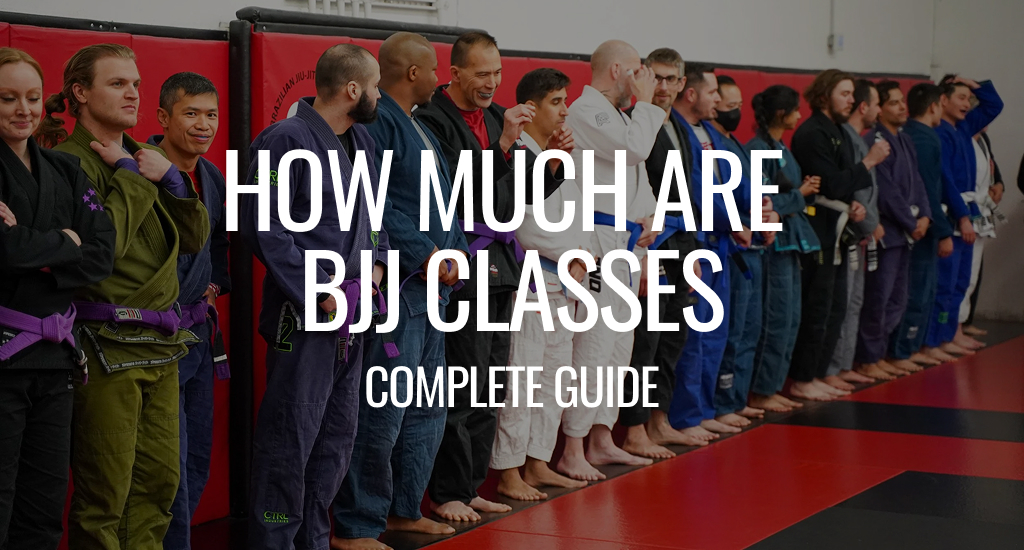
BJJ membership costs vary more than most gym memberships, largely because you're paying for coaching quality and mat time, not just facility access.
Typical Monthly Costs
Community academies, especially outside major cities, tend to sit toward the lower end of the market, often bundling gi and no-gi classes into one membership. Larger academies and franchises with more locations and marketing overhead usually price in the middle of the market. Premium academies with elite competitive pedigree or well-known instructors — the kind covered in guides like our Austin BJJ clubs breakdown — often charge at the top of the market, reflecting the coaching access you're paying for.
Most gyms also offer per-class drop-in rates for people not ready to commit to a membership, and many run an introductory trial period (often free or heavily discounted) so you can test the fit before paying full price.
What Actually Drives the Price
Location matters a lot — a gym in a major metro area with high rent generally charges more than a similar-quality gym in a smaller city.
Instructor pedigree moves price meaningfully. A gym built around a well-known competitor or an internationally recognized lineage generally charges a premium over an unaffiliated local school, similar cost structure to what you'll see across most of our city guides.
Contract length affects the effective monthly rate — many gyms offer a lower rate for a 6- or 12-month commitment compared to month-to-month billing.
What's included varies: some memberships bundle gi and no-gi classes, open mat, and kids programs into one price; others charge separately for each.
Other Costs Beginners Forget
- A gi — needed for gi classes, typically a one-time purchase that lasts a long time with proper care
- A rash guard and shorts — needed for no-gi training; see our guide on whether an expensive rash guard is worth it
- A mouthguard — a small but genuinely important safety cost most beginners overlook until their first hard roll
- Competition fees — only relevant once you start competing, but tournament entry and travel add up separately from monthly training costs
Frequently Asked Questions
Are BJJ classes expensive compared to other gyms? They tend to cost more than a standard commercial gym membership, mainly because you're paying for coached instruction and mat time rather than just equipment access.
Do most BJJ gyms offer a free trial class? Many do — it's common practice for a beginner-friendly academy to offer at least one free or discounted trial class before you commit to a membership.
Is it cheaper to pay monthly or sign a longer BJJ membership contract? Longer commitments (6-12 months) usually come with a lower effective monthly rate than month-to-month billing, though that trades away flexibility if your situation changes.
What other costs come with starting BJJ besides the membership? A gi (for gi training), a rash guard and shorts (for no-gi), and a mouthguard are the most common startup costs beyond the monthly membership itself.
The Bottom Line
There's no single "normal" price for BJJ — location, instructor pedigree, and what's bundled into the membership all move the number substantially. Trial a few gyms in your area before committing, and factor in gear costs on top of the membership when budgeting to start.
Tagged with:#cost#beginners#bjj guides
Frequently Asked Questions
Are BJJ classes expensive compared to other gyms?
They tend to cost more than a standard commercial gym membership, mainly because you're paying for coached instruction and mat time rather than just equipment access.
Do most BJJ gyms offer a free trial class?
Many do — it's common practice for a beginner-friendly academy to offer at least one free or discounted trial class before you commit to a membership.
Is it cheaper to pay monthly or sign a longer BJJ membership contract?
Longer commitments (6-12 months) usually come with a lower effective monthly rate than month-to-month billing, though that trades away flexibility if your situation changes.
What other costs come with starting BJJ besides the membership?
A gi (for gi training), a rash guard and shorts (for no-gi), and a mouthguard are the most common startup costs beyond the monthly membership itself.
About the Author
Mohsin AyubBJJ practitioner, 6 years — Gracie Barra
Founder & Editor, BJJ Sportswear
Mohsin has trained Brazilian Jiu-Jitsu for six years at Gracie Barra and has competed at IBJJF-affiliated tournaments. He writes about competition, gear, and athlete careers, and founded BJJ Sportswear to help grapplers find equipment and information they can trust.
- Six years training Brazilian Jiu-Jitsu at Gracie Barra
- Competed at IBJJF-affiliated tournaments
- Writes on BJJ competition, gear testing, and athlete careers
This article was last reviewed and updated on 2026-08-18.