

Cross Collar Choke: Roger Gracie’s Unstoppable Submission
By BJJ Sportswear Editorial Team
Reviewed by competitive black belts specializing in fundamental gi techniques | Last Updated: January 12, 2026
The cross collar choke (also called X-choke) is Brazilian Jiu-Jitsu’s most successful gi submission in competition history—a blood choke executed by gripping your opponent’s opposite collar with both hands, creating an “X” formation that compresses the carotid arteries. What makes this technique legendary is Roger Gracie’s 2009 World Championship performance, where he submitted nine world-class black belts in a single tournament—most with the same cross collar choke from mount that everyone knew was coming but couldn’t stop.
According to BJJ Heroes, Roger Gracie is widely regarded as one of the sport’s Greatest Of All Time (GOAT), with his ten (10) IBJJF World Championship titles as a black belt and a trademark willingness to commit to submissions. His favorite technique? Cross choke from the mount position.
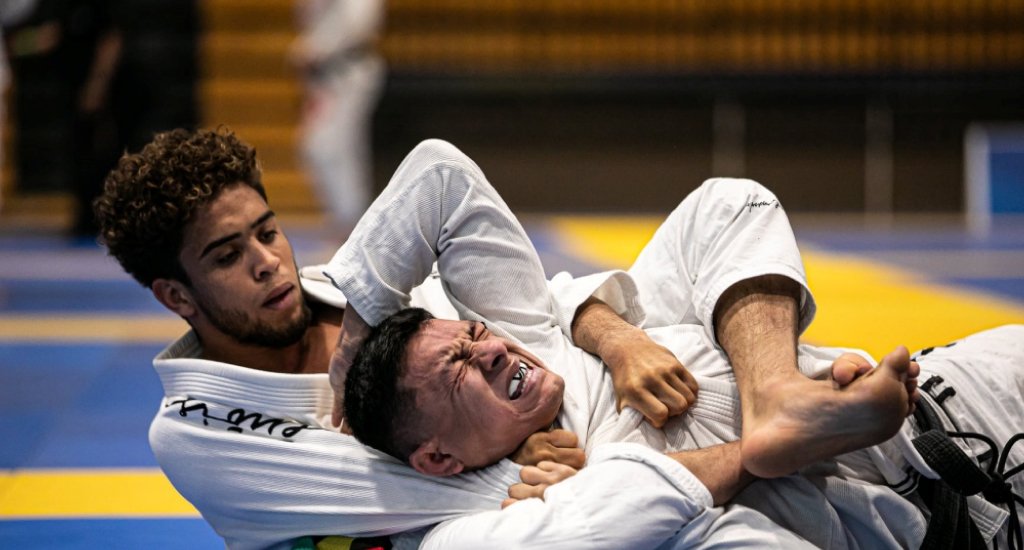
Elite Sports explains the mechanics: The cross-collar choke squeezes the blood supply to the head using the radial bone and ulna to get the choke. However, apart from restricting the blood supply to the head, it may also stimulate the vagus nerve to slow down the heart, creating a dual whammy effect of lessening the supply of oxygen to the head. This is what makes it very hard for some people that they won’t even get a chance to tap out when they get caught in a cross-collar choke.
After coaching hundreds of students and studying Roger Gracie’s competition footage extensively, I’ve found that the cross collar choke represents the pinnacle of “basics done perfectly”—it’s the first choke white belts learn and the last technique black belts master. The difference between knowing the technique and making it work against world champions lies in the invisible details.
Whether you’re a white belt learning your first gi choke or a brown belt refining championship-level details, mastering cross collar mechanics gives you the submission that proved unstoppable at the highest levels of competition.
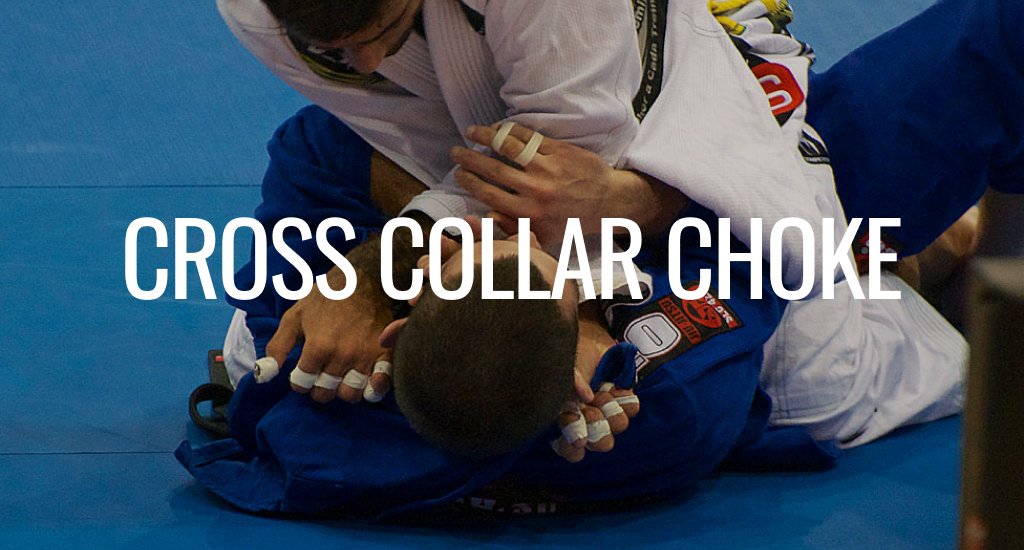
Table of Contents
What Is the Cross Collar Choke?
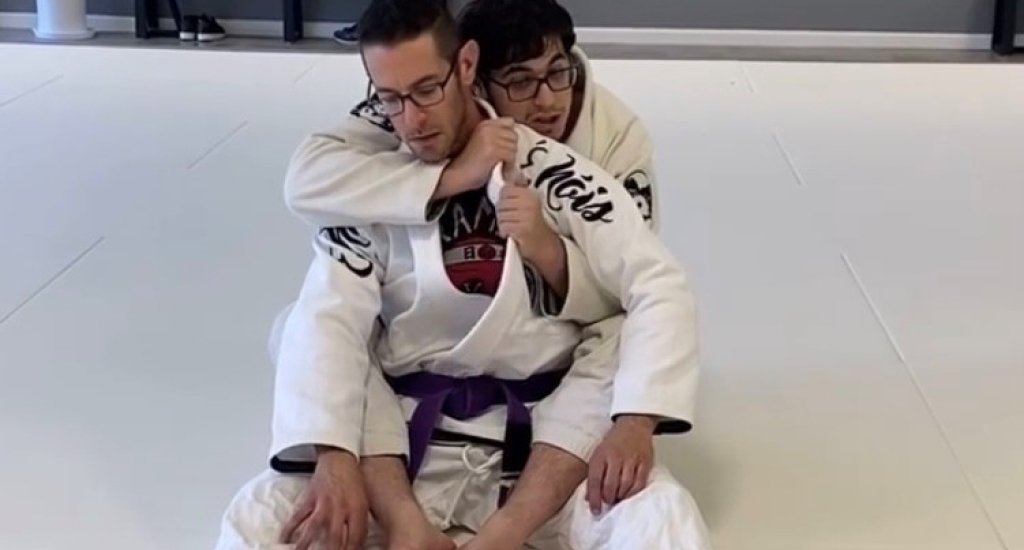
The cross collar choke is a blood choke where you grip your opponent’s opposite collar with both hands, crossing your arms to create an “X” formation that compresses both carotid arteries simultaneously.
Core Cross Collar Components:
- Both hands grip opponent’s OPPOSITE collar (creates X)
- First grip deep (four fingers in, thumb out)
- Second grip palm down on opposite collar
- Radial bones compress carotid arteries
- Stimulates vagus nerve (slows heart)
- Works from mount, guard, side control, passing
- Gi-specific technique
- Blood choke with vagus nerve component
Elite Sports emphasizes dual mechanism: Apart from restricting blood supply, it may also stimulate the vagus nerve to slow down the heart, creating a dual whammy effect.
Understanding what is mount in BJJ helps you see why cross collar from mount is so effective—superior position plus unstoppable choke.
Roger Gracie’s Legendary Record
2009 World Championship Dominance
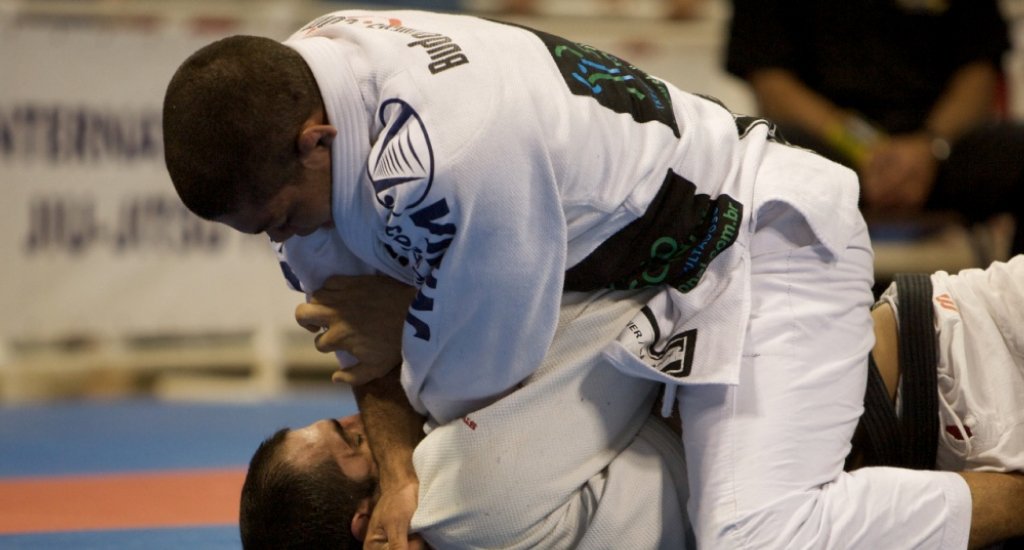
Hidden Jiu-Jitsu describes the achievement: In 2009, at the World Jiu-Jitsu Championship, Roger Gracie finished nine of the best competitors in the world, one right after the other, with the same outcome: choke from mount. Most of those were the cross collar choke.
2009 Worlds Performance:
- Weight Division: 3 submissions (all chokes from mount)
- Absolute Division: 3 cross collar chokes from mount
- Total: 6 matches, 6 mount chokes in one tournament
- Opponents: Rafael Lovato, Claudio Calasans, Romulo Barral (Absolute final)
- Everyone Knew It Was Coming: Still couldn’t stop it
IBJJF describes Calasans match: Roger faced jiu-jitsu and judo black belt Claudio Calasans in the open class semifinal. Calasans started with a perfectly timed single leg takedown, scoring two points to take the lead. He could not keep Roger on his back, however, and pulled guard after they reset. Roger opened the guard and nearly passed, but Calasans recovered to butterfly guard. As he attempted to elevate and sweep Roger using his hooks, Roger passed to side control. He then mounted and finished his third cross choke from the mount of the day.
Career Statistics
BJJ Heroes records Roger’s incredible stats:
Championships:
- 10x IBJJF World Champion (black belt)
- 2x ADCC Champion (2005: submitted all 8 opponents)
- 4x World Champion (colored belts)
- Never submitted in competition
Submission Record:
- 76 total wins
- 62 by submission (82%)
- Multiple cross choke finishes against world champions
- Submitted: Jacaré, Marcelo Garcia, Terere, Alexandre Ribeiro, Romulo Barral
Favorite Technique: Cross choke from mount position
Saulo Ribeiro’s Quote: 5x World Champion Saulo Ribeiro believed Roger’s success was “the invisible Jiu-Jitsu” —details others couldn’t see.
Executing the Perfect Cross Collar Choke
From Mount (Roger Gracie Method)
Elite Sports teaches Roger’s system: Roger Gracie has one of the highest numbers of cross-collar chokes from the mount.
Step-by-Step Setup:
1. Establish High Mount
- Get mount position
- Walk knees HIGH (into armpits, not on ribs)
- Chest toward their face (not their abdomen)
- Heavy hips on their chest
- Control their ability to bridge
2. Distribute Weight for First Grip
- Elite Sports: He first set things up by getting heavy on the opponent’s hip, needing both his hands to prevent the rival from doing a reversal
- Choose one side for first grip
- Move your head to that side
- Get heavy on that side
- This prevents bridge/reversal
3. First Grip (CRITICAL!)
- Reach across to OPPOSITE collar
- Four fingers INSIDE collar
- Thumb stays OUTSIDE
- Get DEEP (knuckles should touch mat)
- Radial bone against their neck
- This is the choking hand
4. Post Against Bridge
- Free hand posts FAR to opposite side
- Prevents them bridging
- Maintains your balance
- Critical Roger Gracie detail
5. Second Grip
- Elite Sports: Getting the second grip from mount is just as tricky as getting the second grip when playing closed guard
- Good way: palm DOWN on opposite collar
- Grip at shoulder level
- “Cut” opponent’s head to other side (makes space)
- Creates X formation
6. Finish the Choke
- Bring elbows TIGHT to your body (not flared)
- Fall FORWARD with your weight
- Pull hands in opposite directions
- Compress both carotids with radial bones
- Very little movement needed when grips are deep
- Opponent taps or sleeps
From Closed Guard
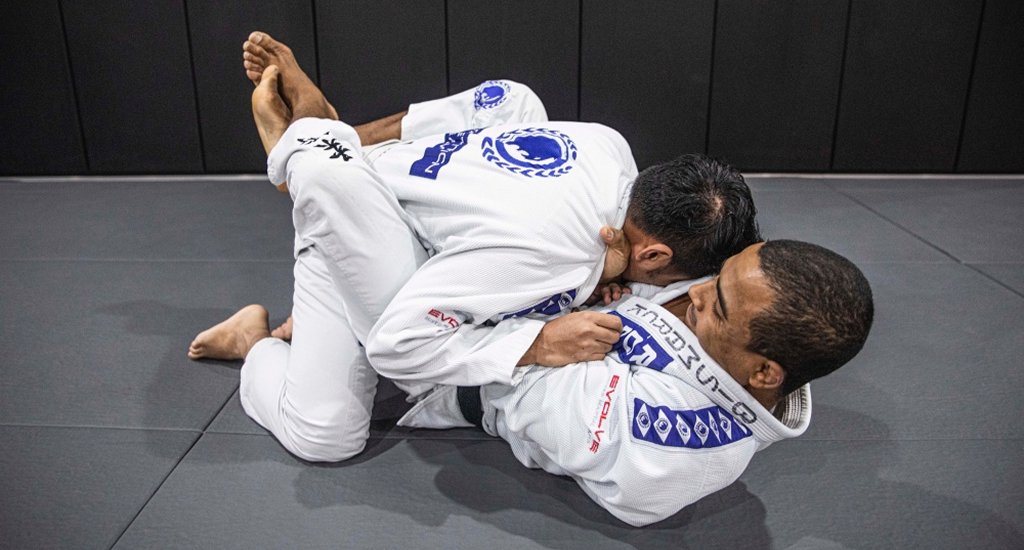
Elite Sports emphasizes posture break: It is very important to break the posture of your opponent and set up the cross-collar choke from a closed guard.
Guard Setup:
1. Break Posture
- Pull opponent down (break upright posture)
- Use grips, legs, arms
- Keep them from sitting up
- Critical first step
2. First Grip
- Four fingers inside opposite collar
- Get DEEP (thumb behind their head)
- Radial bone contacts neck
- Actively fight for this grip
3. Prevent Posture Recovery
- Use guard to control
- Keep them broken down
- Don’t let them sit up
- Grip fight aggressively
4. Second Grip
- Palm down on opposite collar
- Grab material at shoulder area
- Creates X formation
- Several finishing variations available
5. Finish
- Pull hands in opposite directions
- Use guard to prevent posture
- Squeeze elbows in
- Pull down into guard
From Knee Slice Pass
Elite Sports describes modern variation: One more new technique to perform a cross-collar choke is with a knee slice. Leandro Lo and Romulo Barral made submissions with the cross choke from the knee slide guard pass.
Knee Slice Application:
1. Opponent Defends Knee Slice
- They turn to their side
- Try to squeeze your leg
- Face you while defending
- Creates cross choke opportunity
2. Get First Grip
- When they turn to side, collar opens
- Get first choking hand DEEP
- Four fingers in, thumb out
- Quick application
3. Second Grip and Finish
- Palm down on opposite collar
- Can shave and squeeze quickly
- Better: post on knee and crunch
- Highly effective modern variation
Critical Cross Collar Details
Depth of First Grip (The Invisible Detail)
Key Principle:
- First grip must be DEEP (knuckles touch mat)
- Shallow grips don’t finish
- This is what separates levels
- Roger Gracie’s secret
YouTube mechanics detail: Making sure that when I get my grips my hands are already touching his neck. That way once I start to apply pressure all of that pressure immediately affects him and it immediately goes into his neck.
Weight Distribution, Not Arm Strength
Common Mistake:
- Trying to squeeze with arm strength
- Exhausts you, doesn’t finish
Correct Method:
- Use WEIGHT falling forward
- Let gravity do the work
- Elbows tight to body
- Very little movement needed
High Mount Position
Position Matters:
- Mount chest (not abdomen)
- Knees in armpits (not on ribs)
- Face toward their face
- Higher = harder to bridge
Posting Against Bridge
Roger’s System:
- Free hand posts FAR to opposite side
- If they bridge, you can let them roll
- You stay mounted during roll
- Finish on other side
Cross Collar Variations
Palm Up vs. Palm Down Second Grip
Traditional (Palm Up):
- Second hand palm UP under first arm
- Deep on opposite collar
- Classic finish
- Both palms face you
Modern (Palm Down):
- Second hand palm DOWN
- Grips at shoulder area
- Creates different angle
- Roger Gracie preference
One-Handed Cross Choke
Advanced Variation:
- Single deep collar grip
- Use head pressure
- Trap their defensive hand
- Finish with one grip
Defending the Cross Collar Choke
From Top (Inside Guard)
Elite Sports teaches defense: This is exclusive to top positions, as it includes posturing up.
Posture Defense:
- Posture up immediately
- “Punch” throat (light pressure to neck)
- Pushes them away
- Prevents grip depth
- Fight for grip before it gets deep
From Bottom Mount
Elite Sports describes bottom defense: From the bottom mount, the technique used to defend the x-choke is “bridge and roll”.
Bridge and Roll Escape:
1. Trap Gripping Arm
- Overhook the arm going for first grip
- Trap it early (before second grip)
2. Bridge Toward Trapped Arm
- Explosive bridge to that side
- Removes space for grip
- Can reverse to top guard
3. Timing Is Critical
- Must do BEFORE second grip
- Once both grips in, very difficult
- Experienced grapplers know counter
Problem: Against skilled opponents like Roger, they anticipate this and post to prevent it.
Training Cross Collar by Belt Level
For White Belts: Building Foundations
Start with guard version:
Priorities:
- Learn from closed guard first
- Practice breaking posture
- Understand grip depth importance
- Get reps on cooperative partners
- Feel the choking mechanism
Resources about first BJJ class help beginners understand fundamentals.
For Blue/Purple Belts: Positional Mastery
Expand to mount:
Development:
- Master from mount position
- Study Roger Gracie footage
- Understand weight distribution
- Practice against resistance
- Develop submission chains
Exploring blue belt development goals helps structure progression.
For Brown/Black Belts: Invisible Details
Perfect championship level:
Advanced Focus:
- Study every Roger Gracie match
- Perfect grip depth
- Master posting mechanics
- Develop fear factor (opponents defend early)
- Use as positional control tool
- Understand “invisible jiu-jitsu”
Competition Strategy
IBJJF Gi Competition
Highest percentage gi submission:
Strategic Advantages:
- Legal at all belt levels
- Works from multiple positions
- Proven at world championship level
- Creates fear (opens other attacks)
- First learned, last mastered
Championship Mindset
Roger’s Approach:
- Commit to the submission
- Accept position to get grip
- Be patient for depth
- Use weight, not strength
- Trust the technique
Creating the “Roger Effect”
Psychological Advantage:
- Everyone knows it’s coming
- They defend early (opens sweeps/passes)
- Fear creates mistakes
- Reputation does half the work
Integration with Other Techniques
Mount Attack System
Flow between mount submissions:
Position Hierarchy:
- Establish high mount
- Threaten cross collar (forces hands up)
- If they defend collar, attack Americana
- If they defend Americana, re-attack cross collar
- Add Ezekiel choke variation
Guard Submission System
From closed guard:
Chain Attacks:
- Break posture for cross collar
- If they posture, attack triangle
- If they defend triangle, re-attack cross collar
- If they defend collar, attack armbar
- Continuous pressure
Why Cross Collar Works at All Levels
White Belt Success
Reasons:
- Simple mechanics
- Clear grips
- Works on unaware opponents
- Fundamental technique
Black Belt Championship Success
Roger Gracie’s Evidence:
- Same technique works on world champions
- Difference is invisible details
- Grip depth matters more than strength
- Position and weight beat technique
- Commitment to fundamentals
Hidden Jiu-Jitsu insight: How did Roger submit nine world-class competitors with the same choke? Saulo Ribeiro believed it was “the invisible Jiu-Jitsu” —the details others couldn’t see.
The Cross Collar Legacy
From white belt fundamentals to Roger Gracie’s ten World Championships and legendary 2009 performance, the cross collar choke represents Brazilian Jiu-Jitsu’s most successful gi submission. What makes it extraordinary is that everyone knows it’s coming, studies the defense extensively, and still can’t stop it when executed with Roger’s invisible details.
The cross collar proves a fundamental BJJ truth: basics done perfectly beat complicated techniques. While flashy submissions come and go, Roger Gracie submitted the best grapplers in history—Jacaré, Marcelo Garcia, Alexandre Ribeiro, Romulo Barral—with the first choke taught to white belts. The difference lies not in secret techniques but in grip depth, weight distribution, positioning, and unwavering commitment to fundamentals.
Whether you’re learning your first gi choke or chasing championship gold, the cross collar choke provides the foundation that works at every level—from your first day in a gi to finishing world champions on the biggest stages.
How We Reviewed This Article
Editorial Standards: Technical information verified through Roger Gracie competition footage (2004-2010), BJJ Heroes statistical analysis, contemporary cross collar specialists’ instruction, and IBJJF World Championship documentation. Mechanical analysis reviewed by competitive black belts using cross collar in gi tournament settings. Historical information verified through Gracie lineage documentation and championship records. Strategic applications based on elite-level competition analysis.
Sources Referenced:
- BJJ Heroes (Roger Gracie biography and statistics)
- Elite Sports cross collar mechanics
- Hidden Jiu-Jitsu (2009 Worlds analysis)
- IBJJF official championship records
- Roger Gracie instructional content
Last Updated: January 12, 2026