
On This Page
Editorial Standards
Reviewed by the BJJ Sportswear Editorial Team for technical accuracy and kept current.
50/50 Guard in BJJ: Entries, Attacks & Escapes
50/50 guard puts both competitors in the exact same trap at the exact same time. Here is what actually happens once you are tangled up in it.
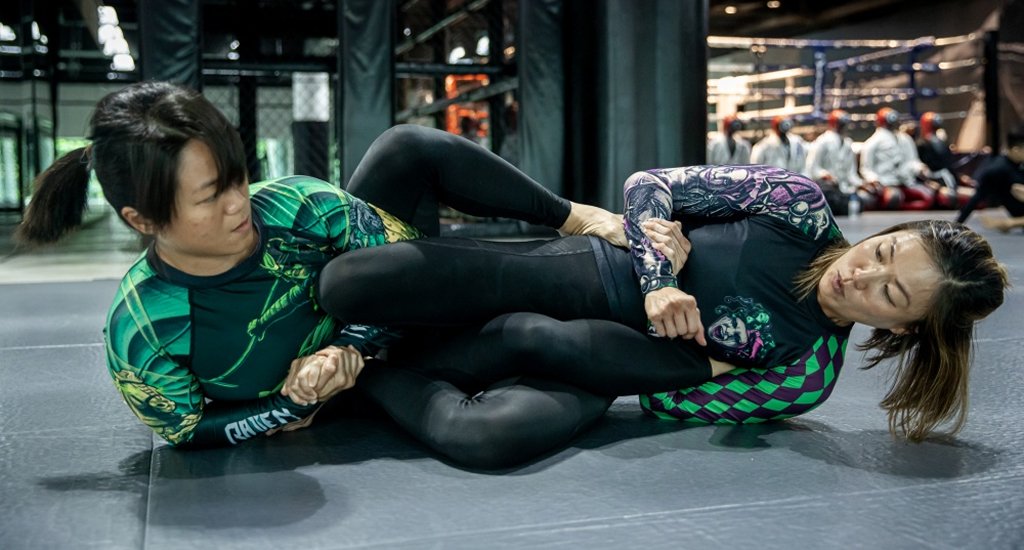
What 50/50 Guard Is
50/50 guard is a symmetrical leg entanglement — both grapplers trap one of each other's legs between their own, sitting hip to hip with neither person clearly on top or bottom. Unlike most guards, where one person is offense and the other defense, 50/50 starts as a genuinely even split, which is exactly where the name comes from.
Why It Exists
The position became common as leg locks became a bigger part of modern competition. Whoever wins the grip and hip-positioning battle inside 50/50 usually gets first access to a heel hook or a straight ankle lock, so the guard functions less like a passing puzzle and more like a race to establish the stronger leg-lock entanglement first.
The Core Battle: Hip Position
The entire position comes down to whose hip is closer to the mat and whose leg is on top of the entanglement. The player with the more favorable hip angle gets the cleaner shot at a submission, while the player underneath is fighting just to survive the position rather than attack from it. Small hip adjustments, inches at a time, decide who wins the exchange far more than raw strength does.
Common Attacks From 50/50
- The straight ankle lock, available to whichever side has isolated the foot cleanly.
- The heel hook, once a stronger grip and rotation angle is secured — legality here depends heavily on belt level and ruleset, so always confirm the rules before attempting one.
- Switching to a kneebar once your opponent defends by hiding their heel — the leg is already controlled, so the entry is often faster than starting a fresh attack.
Why Competitors Stall There
50/50 has a reputation for grinding matches to a halt, since neither side wants to give up the leg entanglement first, and both are wary of the other's leg-lock game. Referees in point-based formats will sometimes stand competitors back up after extended inactivity specifically because this position can stall a match for its full duration.
How to Escape 50/50 Safely
Free your trapped leg before your opponent secures a stronger grip, since escape gets dramatically harder once they control your foot and heel cleanly. Rotate your hips away from their control rather than pulling your leg straight back, which usually just tightens their grip instead of loosening it.
Where It Compares
50/50 is symmetrical — both legs mirror each other. Our single leg X guard and X-guard guides cover the asymmetrical versions of leg entanglement, where only one side's leg is trapped, which changes the entries and the escapes significantly.
Tagged with:#50/50 guard#leg locks#no-gi
Frequently Asked Questions
Why is it called 50/50 guard?
Because the position starts as a genuinely even split — both grapplers trap one of each other's legs at the same time, unlike most guards where one person is clearly attacking and the other clearly defending.
What is the main attack from 50/50 guard?
The straight ankle lock and the heel hook are the two most common finishes, with the kneebar available as a natural follow-up once an opponent defends by hiding their heel.
Why do referees sometimes stand competitors up from 50/50?
The position has a reputation for stalling matches, since neither side wants to give up the leg entanglement first. In point-based formats, referees will reset extended inactivity specifically because 50/50 can grind a match to a halt.
How do you escape 50/50 guard?
Free your trapped leg early, before your opponent secures a stronger foot and heel grip, and rotate your hips away from their control rather than pulling your leg straight back.
About the Author
Mohsin AyubBJJ practitioner, 6 years — Gracie Barra
Founder & Editor, BJJ Sportswear
Mohsin has trained Brazilian Jiu-Jitsu for six years at Gracie Barra and has competed at IBJJF-affiliated tournaments. He writes about competition, gear, and athlete careers, and founded BJJ Sportswear to help grapplers find equipment and information they can trust.
- Six years training Brazilian Jiu-Jitsu at Gracie Barra
- Competed at IBJJF-affiliated tournaments
- Writes on BJJ competition, gear testing, and athlete careers
This article was last reviewed and updated on 2026-08-18.