
On This Page
Editorial Standards
Reviewed by the BJJ Sportswear Editorial Team for technical accuracy and kept current.
The Best BJJ Submissions, According to Real Data
Not every submission is equally effective at the highest level. Here is what published competition data shows about which finishes actually land most.
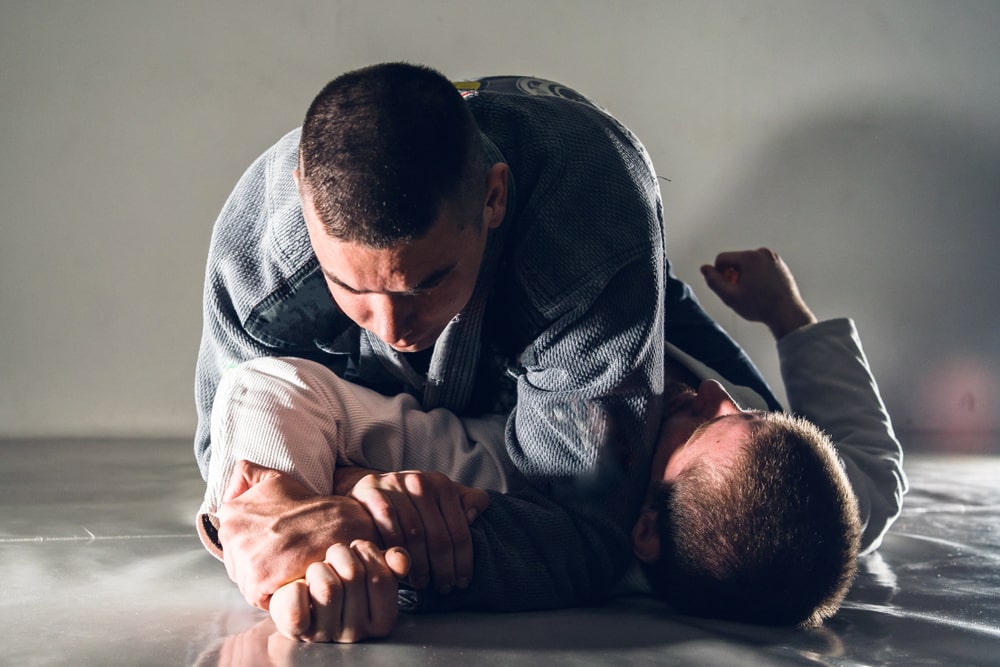
Most "best submissions" lists are just opinion. This one leans on published competition-data breakdowns — from IBJJF World Championship analysis and ADCC after-action reports — to show which finishes actually land most often, and at what rate, in gi and no-gi.
BJJ Submission Categories at a Glance
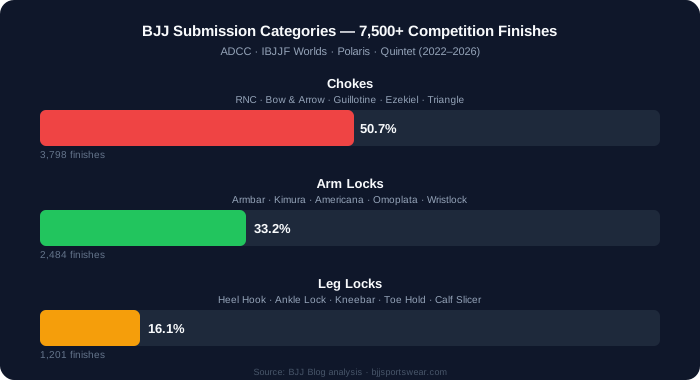
BJJ Submission Statistics: The Data (Updated 2026)
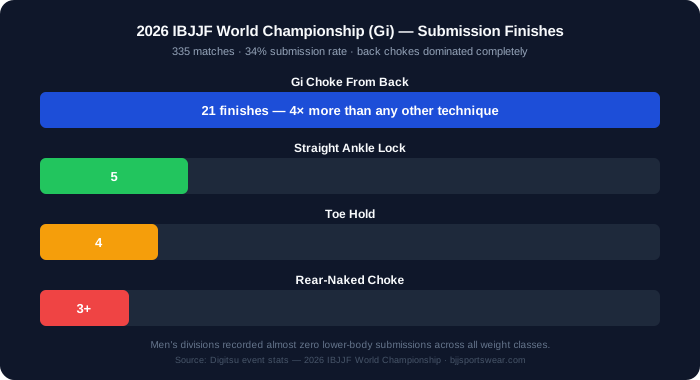
2026 IBJJF World Championship (Gi) — 335 total matches
The 2026 IBJJF Worlds had a 34% submission rate across 335 matches. Back chokes dominated completely:
| Submission | Count | Notes |
|---|---|---|
| Gi choke from back | 21 | More than 4× the next most common finish |
| Straight ankle lock | 5 | Highest-count leg lock in gi competition |
| Toe hold | 4 | Legal from brown belt up under IBJJF rules |
| Rear-naked choke | Multiple | Consistent across both gi and no-gi formats |
Tainan Dalpra submitted all three opponents via gi choke from back to claim the middleweight title. Men's divisions saw almost no lower-limb submissions across all weight classes.
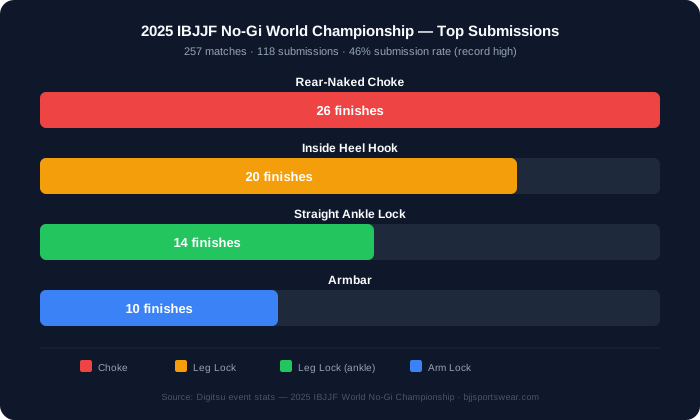
2025 IBJJF World No-Gi Championship — 257 total matches
The 2025 No-Gi Worlds recorded a 46% submission rate — the highest in recent IBJJF history — across 257 matches:
| Submission | Count | Notes |
|---|---|---|
| Rear-naked choke | 26 | Still #1 even in no-gi |
| Inside heel hook | 20 | Nearly as common as the RNC in no-gi |
| Straight ankle lock | 14 | Most common lower-body finish at all belt levels |
| Armbar | 10 | Consistent across gi and no-gi formats |
ADCC 2024 — Key findings
| Division | Submission rate |
|---|---|
| Men's +99kg | 56% |
| Men's -99kg | 56% |
| Men's Absolute | 44% |
| Women's Absolute | 43% |
| Men's -66kg | 40% |
| Men's -88kg / -77kg | 31% each |
Overall submission composition at ADCC 2024: 65% chokes, 22% leg locks, 20% arm attacks (based on 125 recorded matchups). Kaynan Duarte finished 7 of 8 opponents via submission across his divisions.
ADCC 2023 — Technique-level breakdown
| Submission | Competition | Share of finishes | Notes |
|---|---|---|---|
| Inside heel hook | ADCC 2023 | 21% of finishes | 34.85% success rate once attempted — highest of any tracked submission |
| Rear-naked choke | ADCC 2023 | 20% of finishes | Combined, heel hook + RNC = over 40% of all finishes |
| Guillotine | ADCC 2023 | 9.3% finish rate (2 of 29 attempts) | Most attempted — lowest finish rate |
| Kimura | ADCC 2023 | ~4.5% finish rate (1 of 22 attempts) | Low conversion despite high attempt volume |
*Sources: Digitsu event stats (2025 No-Gi Worlds, 2026 IBJJF Worlds), FloGrappling ADCC 2024, BJJ Heroes ADCC 2023 data compilations. Figures come from different datasets — treat cross-tournament comparisons as directional, not exact.*
What the Data Actually Shows
The rear-naked choke is the single most reliable finish across both gi and no-gi. At the 2026 IBJJF Gi Worlds, gi choke from back dominated with 21 finishes — more than four times any other technique. At the 2025 No-Gi Worlds, the rear-naked choke led again with 26 finishes. No other technique has held the top spot consistently across both formats.
Gi competition has become almost entirely back-choke-dependent. The 2026 IBJJF Worlds made this extreme: back chokes outnumbered every other submission category 4:1 among men. Back control has always been dominant, but modern elite gi competitors are almost exclusively hunting the choke once they get there, not the armbar.
Heel hooks are closing the gap in no-gi but haven't overtaken the RNC. At ADCC 2023 the inside heel hook briefly edged out the rear-naked choke (21% vs. 20%). The 2025 IBJJF No-Gi Worlds showed the RNC reasserting its lead (26 vs. 20), but that gap is historically narrow — heel hooks now sit at roughly equal frequency with the RNC at the elite no-gi level, compared to being rare a decade ago.
Gordon Ryan 11-Second Heel Hook — ADCC 2022
Gordon Ryan finishes with an inside heel hook in 11 seconds at ADCC 2022, illustrating why heel hooks reached a 34.85% success rate — the highest of any tracked submission at the tournament.
Video by FloGrapplingWatch on YouTube
Some of the most commonly attempted submissions have the lowest finish rates. The guillotine is attempted constantly in scrambles, but only converted at roughly 9.3% in the sampled ADCC data — the lowest of any major submission tracked. Kimuras showed a similar pattern, with only 1 of 22 attempts finishing at ADCC 2023. Both remain worth attempting for the positional pressure and reactions they force, even when the finish itself rarely comes.
Why Leg Locks Have Surged in Modern Competition
Leg locks, particularly heel hooks, have become significantly more common at the elite no-gi level over the last decade, largely due to systems like 10th Planet and the Danaher Death Squad lineage popularizing and refining leg-lock entries and control positions. They remain less common in gi competition, partly due to specific rule restrictions on certain leg-lock entries at lower belt levels.
The Full List of BJJ Submissions, by Category
BJJ's submission curriculum breaks down into three families. This isn't every named variation — new entries and hybrids get added constantly — but it covers the core techniques you'll actually see thrown in a typical gym or competition.
Chokes
- Rear-naked choke
- Triangle choke
- Guillotine (and its variants: arm-in, high-elbow, no-arm)
- Bow and arrow choke
- Collar chokes (cross collar, ezekiel, baseball bat) — gi only
- D'Arce and anaconda chokes
- North-south choke
- Loop choke
Arm locks
- Armbar (juji-gatame)
- Kimura
- Americana (ude-garami)
- Omoplata
- Wristlock
- Bicep slicer
Leg locks
- Straight ankle lock
- Kneebar
- Heel hook (inside and outside)
- Toe hold
- Calf slicer
Which Submissions Are Legal at Which Belt Level
IBJJF rules restrict several submissions — mostly leg locks — by belt level and division, to keep beginners from being exposed to high-injury-risk techniques before they've built the positional control and tap-early instincts to defend them. This is a simplified summary; always confirm the exact current rules for your belt and division before competing.
| Belt level | Leg locks allowed | Notes |
|---|---|---|
| White / Blue | Straight ankle lock only | No knee reaping, no heel hooks, no toe holds |
| Purple | Adds kneebar and straight footlock variations | Still no heel hooks in most divisions |
| Brown | Adds toe hold | Knee-reaping rules loosen further |
| Black | Full leg-lock ruleset, including heel hooks | Most divisions still regulate knee-reaping positions specifically |
Toe holds specifically are legal starting at brown belt under IBJJF rules — a common point of confusion, since many no-gi-only or submission-only gyms teach them earlier. Always check the IBJJF rulebook directly rather than assuming your gym's practice matches competition rules.
Bow and Arrow Choke — Lachlan Giles
Lachlan Giles breaks down the bow and arrow choke — one of the most reliable back-control finishes in gi competition, executed from the same dominant back position that produces more gi submissions than any other technique category.
Video by Lachlan GilesWatch on YouTube
Ezekiel Choke Finish — IBJJF Portland Open 2020
A live competition Ezekiel choke finish at the IBJJF Portland Open, showing one of the collar-choke family techniques that make up the gi's dominant submission category.
Video by FloGrapplingWatch on YouTube
What Makes a Submission "Effective" at the Highest Level
Position first. The most reliably landed submissions tend to follow strong positional control (back control, mount, dominant guard passing) rather than being hunted in isolation — control creates the opportunity, not the other way around.
Counter-resistant setups. Submissions that remain effective even when an opponent knows exactly what's coming (like the armbar's multiple entries) tend to appear more often in high-level data than submissions that rely primarily on surprise.
Low counter-risk. Finishes that don't expose the attacker to a significant counter if defended — the rear-naked choke is a good example, since even a failed attempt rarely costs back control — tend to get attempted more often by competitors managing risk carefully.
Frequently Asked Questions
What is the highest percentage submission in BJJ? In gi competition, gi choke from back — roughly 18–22% of all submissions at the IBJJF Adult Male Black Belt World Championship level, and the single most common finish by a wide margin. In no-gi, the rear-naked choke leads, but the inside heel hook has closed the gap significantly (22% vs. 17% at the 2025 No-Gi Worlds).
What is the most common submission in high-level BJJ competition? The rear-naked choke from back control is the single most frequent finish in gi competition, given how dominant back control itself is as a position. In no-gi, heel hooks now run neck-and-neck with it.
How many submissions are there in BJJ? There's no single official count, but BJJ's curriculum spans three broad families — chokes (rear-naked, triangle, guillotine, collar chokes), joint locks on the arm (armbar, kimura, americana, omoplata), and leg locks (heel hooks, kneebars, toeholds, straight ankle locks) — with dozens of named variations and entries within each.
Are toe holds legal in BJJ? Yes, but with restrictions — the IBJJF only permits toe holds starting at the brown belt level in gi and no-gi divisions, while lower belts are restricted to straight ankle locks. Always check the current IBJJF rulebook for your specific belt and division before competing.
Is a heel hook legal at blue belt? No — under IBJJF rules, heel hooks are restricted to black belt in most divisions. Blue belts are limited to the straight ankle lock; purple adds the kneebar; brown adds the toe hold; only black belt opens up the full leg-lock ruleset.
Why have leg locks become more common in modern BJJ? Systems like 10th Planet and the Danaher lineage popularized and refined leg-lock entries and control positions, driving their rise particularly in no-gi competition over the last decade — leg locks of all types now account for roughly 28–30% of finishes in elite no-gi competition.
Is the armbar still effective at the highest levels of competition? Yes — its availability from multiple positions (mount, guard, back control) keeps it a consistently landed submission at every belt level, though its share of back-control finishes specifically has dropped as competitors favor chokes there instead.
Are gi submissions different from no-gi submissions in effectiveness? Yes — collar chokes only exist with a gi to grip, while leg locks are both more prevalent and more refined in no-gi, partly due to gi-specific rule restrictions on certain leg-lock entries at lower belts.
The Bottom Line
Position-first finishes like the rear-naked choke and armbar remain the most statistically reliable submissions at the elite level, while leg locks — heel hooks specifically — have grown into a genuinely competitive share of finishes in no-gi. The guillotine and kimura sit at the other end: heavily attempted, rarely converted, but still worth setting up for the pressure they create.
Tagged with:#submissions#competition data#bjj guides#submission statistics
Frequently Asked Questions
What is the highest percentage submission in BJJ?
In gi competition, gi choke from back — roughly 18–22% of all submissions at the IBJJF Adult Male Black Belt World Championship level, the single most common finish by a wide margin. In no-gi, the rear-naked choke leads, but heel hooks have closed the gap significantly.
What is the most common submission in high-level BJJ competition?
The rear-naked choke from back control is the single most frequent finish in gi competition, given how dominant back control itself is as a position. In no-gi, heel hooks now run neck-and-neck with it.
How many submissions are there in BJJ?
There's no single official count, but BJJ's curriculum spans three broad families — chokes, arm joint locks, and leg locks — with dozens of named variations and entries within each.
Are toe holds legal in BJJ?
Yes, but with restrictions — the IBJJF only permits toe holds starting at the brown belt level, while lower belts are restricted to straight ankle locks. Always check the current IBJJF rulebook for your specific belt and division.
Is a heel hook legal at blue belt?
No — under IBJJF rules, heel hooks are restricted to black belt in most divisions. Blue belts are limited to the straight ankle lock, with the kneebar added at purple and the toe hold at brown.
Why have leg locks become more common in modern BJJ?
Systems like 10th Planet and the Danaher lineage popularized and refined leg-lock entries and control positions, driving their rise particularly in no-gi competition — leg locks now account for roughly 28–30% of finishes in elite no-gi events.
Is the armbar still effective at the highest levels of competition?
Yes — its availability from multiple positions (mount, guard, back control) keeps it a consistently landed submission at every belt level, though its share of back-control finishes has dropped as competitors favor chokes there instead.
Are gi submissions different from no-gi submissions in effectiveness?
Yes — collar chokes only exist with a gi to grip, while leg locks are both more prevalent and more refined in no-gi, partly due to gi-specific rule restrictions on certain leg-lock entries at lower belts.
Sources & Further Reading
About the Author
Mohsin AyubBJJ practitioner, 6 years — Gracie Barra
Founder & Editor, BJJ Sportswear
Mohsin has trained Brazilian Jiu-Jitsu for six years at Gracie Barra and has competed at IBJJF-affiliated tournaments. He writes about competition, gear, and athlete careers, and founded BJJ Sportswear to help grapplers find equipment and information they can trust.
- Six years training Brazilian Jiu-Jitsu at Gracie Barra
- Competed at IBJJF-affiliated tournaments
- Writes on BJJ competition, gear testing, and athlete careers
This article was last reviewed and updated on 2026-08-23.