
On This Page
Editorial Standards
Reviewed by the BJJ Sportswear Editorial Team for technical accuracy and kept current.
BJJ White Belt Stripes: What Each One Means
White belt stripes mark your progress toward blue belt. Here is what most instructors look for at each of the four stripes.
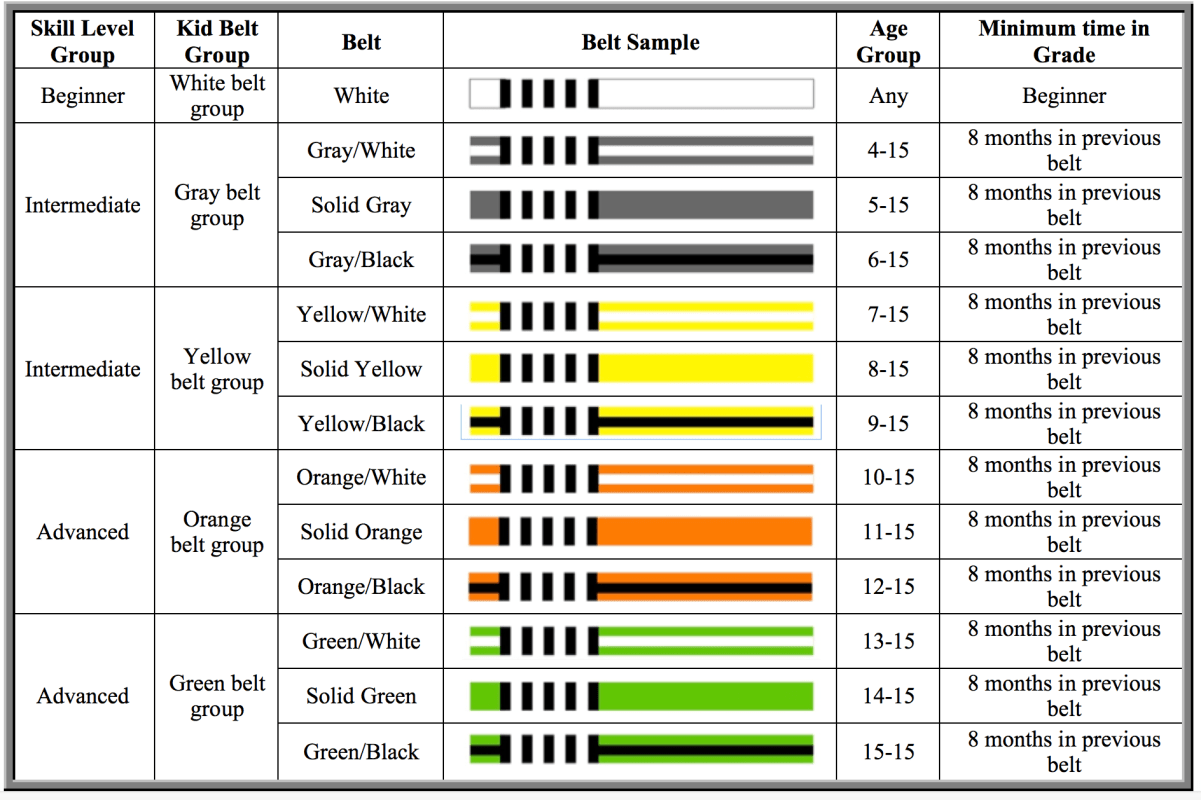
A white belt with four stripes and a fresh white belt with zero stripes are training completely different sports, even though they wear the same color. Stripes exist to mark that progress, even if the belt color has not changed yet.
How Stripes Are Awarded
There is no universal rulebook for stripes — each academy sets its own bar. That said, most schools follow a similar general pattern across the four stripes available before blue belt:
- First stripe: you have picked up the fundamentals — basic guard, escapes from mount and side control, and enough live-rolling experience to not panic
- Second stripe: your defense has improved noticeably, and you are starting to land basic sweeps and submissions with some regularity
- Third stripe: you have a couple of "go-to" techniques that consistently work for you, and your positional understanding is solid
- Fourth stripe: you are functionally ready for blue belt technically, and the promotion is mostly a matter of your instructor's timing
What Stripes Are Not
A stripe is not a certificate for perfect attendance, and it is not (at serious academies) handed out on a fixed schedule. It reflects a real, if informal, assessment of your skill. That is also why stripe timelines vary so much between gyms — a four-stripe white belt at a competition-focused academy may be more skilled than a fresh blue belt somewhere more relaxed.
Should You Ask for a Stripe?
Generally, no. Most instructors notice progress without prompting, and asking can come across as more concerned with belt status than skill. If you genuinely feel overlooked after a long stretch of consistent training, a private, respectful conversation with your instructor is reasonable — but let your training do most of the talking. Stripe requirements are set entirely by individual instructors, not by the IBJJF or any federation, which is exactly why they vary so much between academies.
Tagged with:#white belt#stripes#belt system
Frequently Asked Questions
How many stripes until blue belt in BJJ?
Most academies use a four-stripe system on the white belt before promoting to blue, though the exact requirements are set by each instructor.
What are the requirements for a first stripe in BJJ?
Most instructors look for basic fundamentals — a working guard, escapes from mount and side control, and enough live-rolling experience to stay calm under pressure — rather than any specific technique count. There is no fixed timeline; it depends entirely on how quickly you pick these up.
Can you get a stripe without competing?
Yes. Stripes reflect an instructor's general assessment of your skill and mat time, not competition results. Competing can accelerate that assessment by demonstrating your ability under pressure, but it is not a requirement at most academies.
Do all BJJ academies use the same stripe requirements?
No — there is no universal rulebook for stripes, so requirements vary significantly between gyms. A four-stripe white belt at a competition-focused academy can be more skilled than a fresh blue belt somewhere with looser standards.
Sources & Further Reading
About the Author
Mohsin AyubBJJ practitioner, 6 years — Gracie Barra
Founder & Editor, BJJ Sportswear
Mohsin has trained Brazilian Jiu-Jitsu for six years at Gracie Barra and has competed at IBJJF-affiliated tournaments. He writes about competition, gear, and athlete careers, and founded BJJ Sportswear to help grapplers find equipment and information they can trust.
- Six years training Brazilian Jiu-Jitsu at Gracie Barra
- Competed at IBJJF-affiliated tournaments
- Writes on BJJ competition, gear testing, and athlete careers
This article was last reviewed and updated on 2026-08-01.