
On This Page
Editorial Standards
Reviewed by the BJJ Sportswear Editorial Team for technical accuracy and kept current.
Is Cauliflower Ear Dangerous? An Honest Safety Guide
For most grapplers, cauliflower ear is a cosmetic issue, not a medical emergency. But the first 72 hours after the injury decide whether it stays temporary or becomes permanent.
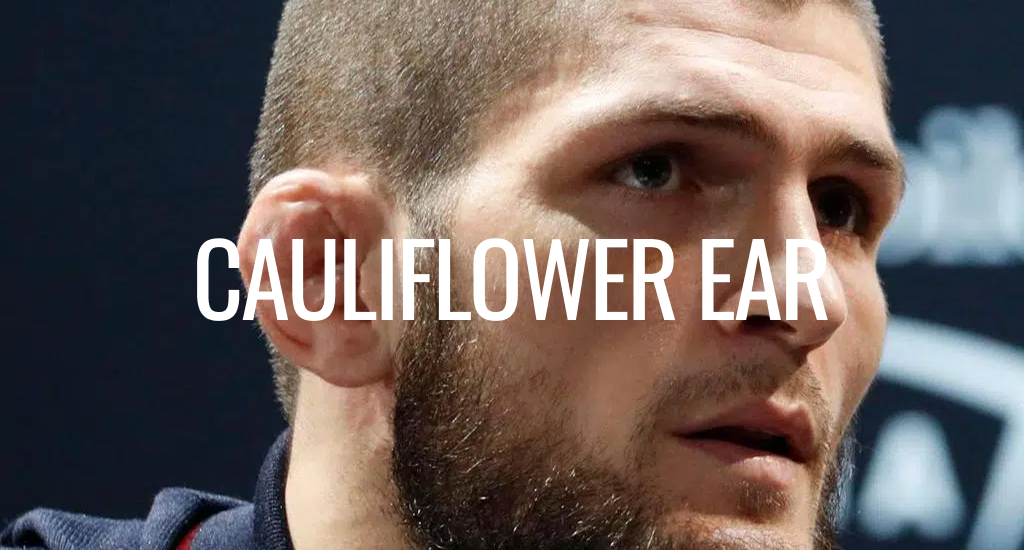
For most people, cauliflower ear is not medically dangerous — it will not shorten your life or cause serious illness on its own. But left untreated, it can turn into a permanent deformity within about a week, and in a small share of cases it leads to real complications like infection or, rarely, hearing loss. The window to prevent that runs from the moment of injury to about three days later, so knowing what to do matters more than knowing the statistics.
This guide covers what actually causes cauliflower ear in BJJ, the real health risks versus the cosmetic ones, the stages of how it develops, and what to do in the first hours after an ear injury.
What Cauliflower Ear Actually Is
Cauliflower ear happens when a blow or friction to the outer ear causes blood or fluid to pool under the skin. That fluid sits between the skin and the cartilage. It cuts the cartilage off from the thin tissue layer that feeds it with blood. Without that blood supply, cartilage cells start to die. The body replaces them with fibrous scar tissue. That's what gives the ear its permanent lumpy, thickened look.
Common Causes in BJJ
Defending guillotines is the most common cause — the ear gets compressed against an opponent's hip while twisting, creating shearing force against the cartilage.
Triangle choke escapes trap the head between the legs, folding and compressing the ear with friction as you work to escape.
Scrambles and wrestling exchanges drag ears across the mat repeatedly — smaller impacts individually, but they add up over time.
Head-to-head contact during takedown defense, plus rough gi fabric rubbing against the ear, both contribute.
**Extended time in turtle position**, with an opponent's weight pressing your ear against your own shoulder, raises risk the longer it goes on.
Is It Actually Dangerous?
For roughly 90% of cases, cauliflower ear is a cosmetic issue and nothing more. No functional impairment, no effect on life expectancy. But a real minority of cases do carry medical risk, and it's worth knowing what that looks like.
Infection is the most serious real risk. Around 5–10% of untreated cases develop an infection. Usually that's cellulitis, a skin infection treatable with antibiotics. Occasionally it's the more serious perichondritis, a cartilage infection that can need IV antibiotics. In very rare cases it becomes sepsis, which is a genuine emergency. See Cleveland Clinic's overview of cauliflower ear complications for the full clinical picture.
Hearing effects are uncommon but documented. Swelling can temporarily block the ear canal, and this usually resolves on its own. Permanent hearing loss is rare. It generally only happens with severe, longstanding deformity. Some research on wrestlers has found a slightly higher hearing-loss risk linked to cauliflower ear.
Chronic discomfort — nerve-related pain in the scar tissue, sensitivity when sleeping on the affected side, occasional headaches — shows up in some cases but usually settles once healing is complete.
Cosmetic and psychological impact varies a lot person to person. Some grapplers genuinely don't mind the look; others find it affects confidence or comes up in professional settings.
Cauliflower ear does not cause brain damage, disability, or a shortened lifespan. It is, for the large majority of people who get it, a cosmetic condition — but treating it seriously in the first few days is what keeps it that way.
The Four Stages, and Why Timing Matters
Stage 1 — acute injury (0–24 hours). The ear swells, feels warm, tender, and soft. This is the critical window. Ice it right away, apply gentle compression, and see a doctor within 24 hours for drainage if swelling doesn't go down. Treated at this stage, the odds of a full, normal-looking recovery are very good.
Stage 2 — hematoma formation (24–72 hours). The swelling firms up as a blood clot forms. A doctor can still drain it here, sometimes over two or three sessions with a compression bandage between them. Outcomes are still generally good. A small change in shape gets more likely the longer you wait within this window.
Stage 3 — fibrous tissue formation (3–10 days). The ear starts hardening into its new permanent shape as scar tissue replaces the damaged cartilage. Pain usually drops as this happens, which is misleading — it's actually the point where the deformity locks in, not where it resolves. Non-surgical options shrink fast here.
Stage 4 — permanent deformity (10+ days). The shape change is now essentially set. At this point, correcting it cosmetically requires surgical reconstruction, if that's something you want to pursue.
Preventing It in the First Place
Wear headgear. This is by far the most effective prevention — proper wrestling-style ear guards physically block the compression and friction that cause the injury in the first place.
Sharpen your defensive technique. A lot of cauliflower ear comes from prolonged bad positions — getting stuck defending a guillotine or stuck in turtle for too long. Better positional escapes mean less cumulative ear trauma over a training career.
Manage training intensity, especially if you already have some ear swelling. Re-injuring a partially healed ear is one of the fastest paths to permanent deformity.
Act immediately if you get hit. Ice the ear as soon as you notice swelling, and don't wait to see if it goes down on its own — the first 72 hours are what determine the outcome.
When to See a Doctor
Go immediately if you notice signs of spreading infection — significant redness, warmth, fever, or pus — or if pain is severe and getting worse.
See a doctor within 24 hours for any noticeable swelling after an ear impact, even if it doesn't look dramatic yet. Early drainage is what prevents permanent deformity, and this window closes fast.
It's reasonable to monitor at home only for very minor, fleeting tenderness with no visible swelling — but if in doubt, get it checked. There's little downside to an unnecessary visit and a real cost to waiting too long.
This article is educational and not a substitute for professional medical advice — if you have an ear injury, a doctor or urgent care clinic is the right call, not a forum post.
The "Badge of Honor" Culture
Inside BJJ and wrestling, some athletes actively don't mind — or even want — cauliflower ear, treating it as a visible sign of time on the mats. That's a legitimate personal choice once you understand the tradeoffs. What matters is that it's an informed choice: know the stages, know the small-but-real infection risk, and decide deliberately rather than by accident because you didn't get an early injury checked out.
The Bottom Line
Cauliflower ear is not medically dangerous for most people who get it — it's primarily a cosmetic outcome, not a health threat. But "mostly harmless" only holds true if you treat it seriously in the first 72 hours. Ice it fast, get it checked within a day if it swells, and you keep both the choice of how it heals and the low odds of any real complication.
Tagged with:#injury prevention#safety#health
Frequently Asked Questions
Is cauliflower ear dangerous or just cosmetic?
For roughly 90% of cases, it is a cosmetic issue with no lasting health impact. A minority of untreated cases (around 5–10%) develop infection, and rare cases involve mild hearing effects — which is why prompt treatment in the first 72 hours matters even though the overall risk is low.
How long do I have to treat cauliflower ear before it becomes permanent?
The critical window is roughly the first 72 hours after injury, when a doctor can still drain the fluid or blood clot. By 3–10 days, fibrous tissue starts replacing the cartilage and the shape begins locking in; after about 10 days, the deformity is generally permanent without surgery.
What is the best way to prevent cauliflower ear in BJJ?
Wearing proper wrestling-style headgear is the most effective single prevention method, since it physically blocks the compression and friction that cause the injury. Improving defensive technique to avoid prolonged bad positions also reduces cumulative risk.
Does cauliflower ear cause hearing loss?
Rarely, and usually only in severe, longstanding cases where the deformity is significant enough to partially block the ear canal. Some research on wrestlers has found a slightly elevated hearing-loss risk associated with cauliflower ear, but it is not a common outcome for the majority of cases.
Can cauliflower ear go away on its own without treatment?
Once cartilage has died and fibrous tissue has replaced it, usually locking in within about 10 days of injury, the deformity does not resolve on its own. Only treatment in the first 72 hours — draining the fluid before scarring sets in — reliably prevents a permanent shape change.
Sources & Further Reading
About the Author
Mohsin AyubBJJ practitioner, 6 years — Gracie Barra
Founder & Editor, BJJ Sportswear
Mohsin has trained Brazilian Jiu-Jitsu for six years at Gracie Barra and has competed at IBJJF-affiliated tournaments. He writes about competition, gear, and athlete careers, and founded BJJ Sportswear to help grapplers find equipment and information they can trust.
- Six years training Brazilian Jiu-Jitsu at Gracie Barra
- Competed at IBJJF-affiliated tournaments
- Writes on BJJ competition, gear testing, and athlete careers
This article was last reviewed and updated on 2026-08-18.