

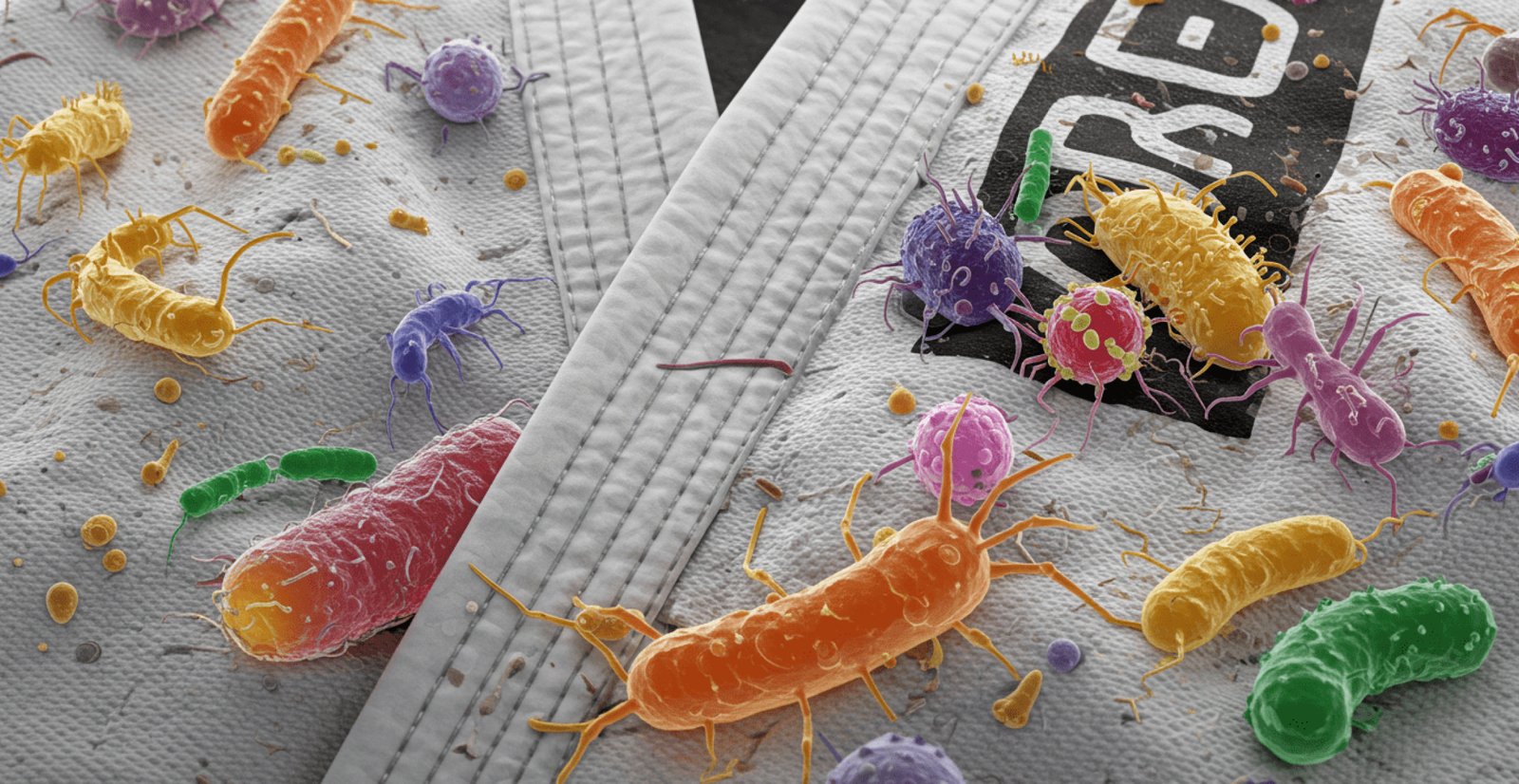
10 BJJ Hygiene Tips I Learned After Getting Staph (2026)
By BJJ Sportswear Editorial Team
Reviewed by sports medicine doctors and BJJ black belts | Last Updated: January 14, 2026
Getting staph infection taught me that BJJ hygiene isn’t optional—it’s mandatory for protecting yourself and your training partners from dangerous skin infections like staph (staphylococcus aureus), ringworm (fungal infection), MRSA (antibiotic-resistant staph), and impetigo that spread rapidly in the warm, moist environment of BJJ training through skin-to-skin contact and contaminated mats. Gold BJJ warns: “Good hygiene before and after training will go a long way toward preventing skin infections of all kinds, including staph—wash your hands, wear a clean gi, shower after training, and if you get mat burn or a cut, clean it immediately with soap and water, apply antibiotic ointment like Neosporin, and cover it when you train”.
MA Supplies emphasizes: “Hygiene is paramount in preventing the spread of staph infections—before and after each training session, thoroughly wash your hands with soap and water, keep fingernails short and clean, shower immediately after training to remove sweat and bacteria, and wash your gi, rash guards, and towels using hot water and detergent after every single session”.
These 10 essential hygiene tips prevent skin infections that can sideline you for weeks, protect your training partners at BJJ classes from contagious diseases, maintain gym reputation and cleanliness standards, and ensure you can train consistently throughout your journey from white belt to blue belt without dangerous interruptions. This guide covers pre-training hygiene preparation, post-training shower protocols, gi washing requirements, skin protection strategies, gym etiquette, recognizing early infection signs, immediate treatment steps, when to stay home from training, mat cleaning expectations, and building a comprehensive hygiene routine that becomes second nature for every practitioner who understands what BJJ training involves.
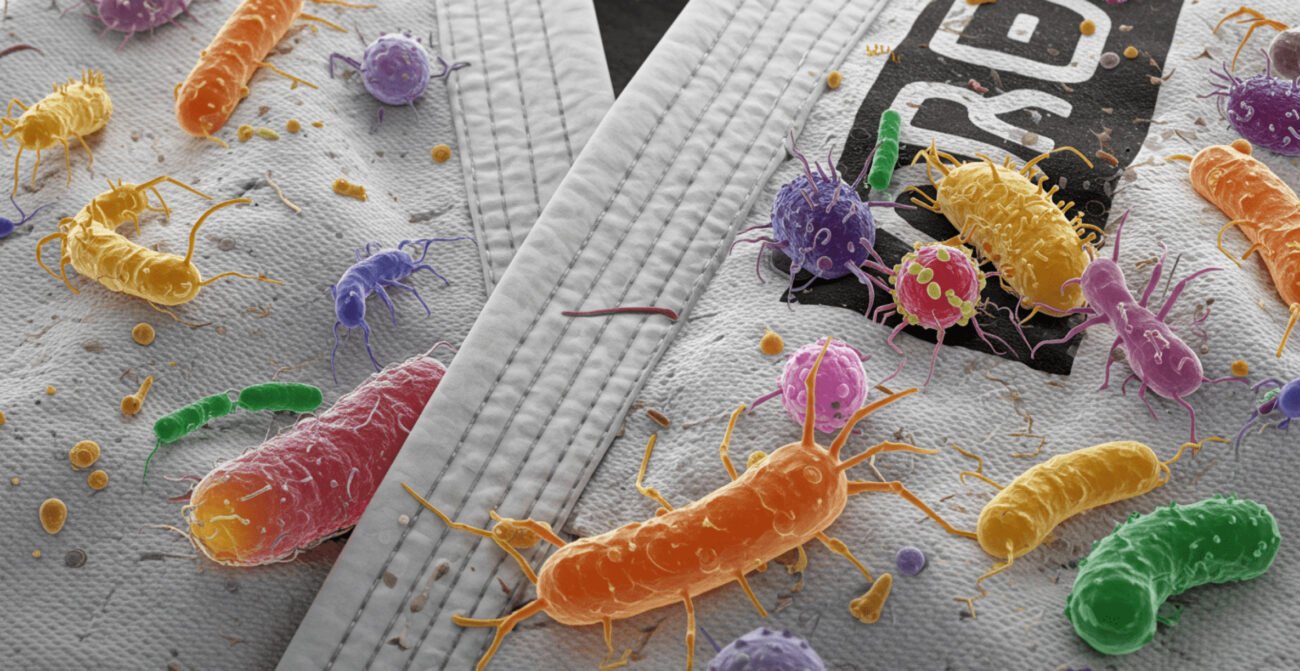
Table of Contents
My Staph Infection Story (Why This Matters)
How I Got Staph
Week 1 – Small bump appears:
- Noticed tiny red bump on forearm after Wednesday training
- Thought it was just mat burn from drilling armbar techniques
- Ignored it and trained Thursday (BIG MISTAKE)
- Bump grew slightly larger, more painful
Week 2 – Infection spreads:
- Bump became raised, filled with pus
- Red area around it expanded to 2 inches diameter
- Started feeling tired, low-grade fever
- Finally went to urgent care
- Doctor: “That’s staph. You need antibiotics immediately.”
Treatment and recovery:
- 10 days of oral antibiotics
- Had to stay off mats for 2 weeks
- Missed promotion testing
- Felt guilty about potentially infecting training partners
- Lost conditioning and progress
Total cost:
- Medical visit: $150
- Antibiotics: $45
- Lost training time: 2 weeks
- Anxiety and guilt: Immeasurable
This was entirely preventable. Here’s what I learned.
Tip 1: Shower Immediately After Training (Non-Negotiable)
The Golden Rule
M1FC emphasizes: “Practice good hygiene—shower immediately after training using antibacterial soap to reduce the risk of bacteria on your skin”.
Why immediate showering is critical:
- Bacteria multiply exponentially in warm, moist environment
- Sweat creates perfect breeding ground on skin
- 30-minute drive home = bacteria doubling multiple times
- Showering within 15 minutes prevents colonization
Proper post-training shower protocol:
- Use antibacterial soap (Dial, Defense, or Hibiclens)
- Scrub entire body, especially areas that contacted mats
- Pay attention to neck, face, armpits, groin, feet
- Wash hair (scalp contacts mats during triangle chokes)
- Rinse thoroughly to remove all soap residue
If gym lacks showers:
- Keep antibacterial wipes in gym bag
- Wipe down all exposed skin immediately
- Shower the moment you get home (don’t sit on furniture first)
- Change out of training clothes before entering house
The “15-Minute Rule”
Bacteria timeline after training:
- 0-15 minutes: Bacteria on skin surface, easily washed off
- 15-60 minutes: Bacteria begin colonizing skin pores
- 1-4 hours: Deep colonization, harder to remove
- 4+ hours: Infection risk increases dramatically
Shower within 15 minutes of leaving mats!
Tip 2: Wash Your Gi After EVERY SINGLE Training Session
Never Reuse Dirty Gi
XMartial emphasizes: “Everything you’re going to wear in class should have been properly washed and cleaned, including your belt, knee pads, and hand wraps”.
Why same-day washing is mandatory:
- Bacteria continue multiplying in damp gi
- Creates biohazard in your gym bag
- Infects you and training partners
- Ruins gi fabric over time
- Disrespectful to training partners
Proper gi washing routine:
- Complete gi washing guide covers full protocol
- Wash in cold water immediately after training
- Use quality detergent (Tide, All Free & Clear)
- Add 1 cup white vinegar for bacteria killing
- Air dry completely before next use
If you train daily:
- Own 2-3 gis for rotation (see choosing first gi guide)
- Gi #1 dries while training in Gi #2
- Never wear damp gi (breeding ground for bacteria)
- Total investment: $160-$360 for hygiene insurance
Yes, Wash Your Belt Too
Common myth: “Never wash belt, it holds your knowledge”
- This is dangerous, outdated nonsense
- Belt accumulates same bacteria as gi
- Can reinfect clean gi if worn together
- Modern BJJ culture values hygiene over superstition
Belt washing:
- Include with gi in every wash
- Cold water, gentle cycle
- Air dry flat or hanging
- Slight shrinkage normal
Tip 3: Keep Fingernails and Toenails Trimmed Short
Why Nail Hygiene Matters
MA Supplies advises: “Keep your fingernails short and clean to minimize the risk of harboring bacteria—nails are perfect hiding places for pathogens”.
Dangers of long nails:
- Harbor bacteria and fungus underneath
- Scratch training partners (creates infection entry points)
- Break off painfully during training
- Get caught in gi fabric during collar chokes
Proper nail maintenance:
- Trim fingernails weekly (flush with fingertip)
- Trim toenails every 10-14 days
- Clean under nails with brush daily
- File sharp edges smooth
- No fake nails (extremely dangerous)
Additional hand/foot hygiene:
- Wash hands with antibacterial soap before class
- Use hand sanitizer between rounds
- Wear flip-flops in gym bathroom (never barefoot)
- Treat athlete’s foot immediately (spreads to partners)
Tip 4: Never Train with Open Cuts or Skin Infections
Protect Entry Points
Gold BJJ warns: “If you do happen to get mat burn or a cut, clean it as soon as possible with soap and water, apply OTC antibiotic ointment like Neosporin, and cover it when you train”.
Open wounds = Infection superhighway:
- Mat bacteria enter bloodstream directly
- Much higher infection risk than intact skin
- Can develop serious systemic infections
- Responsible for most staph cases
Proper cut/scrape management:
Immediate treatment (during training):
- Stop rolling immediately when cut occurs
- Wash with soap and water thoroughly
- Apply antibiotic ointment (Neosporin, Bacitracin)
- Cover with waterproof bandage (Nexcare, Band-Aid)
- Return to training ONLY if securely covered
Post-training care:
- Remove bandage, clean wound again
- Reapply antibiotic ointment
- Let air out overnight if possible
- Cover before next training session
When to stay home:
- Cut too large to cover securely
- Wound is oozing or draining
- Area around wound is red/swollen/hot
- You have fever or feel sick
- Doctor advises against training
Recognizing Skin Infections Early
Submission Shark infection signs: “Check your skin regularly after every practice—if you notice suspicious spots, take action right away and see a doctor to get infection diagnosed and treated early”.
Staph infection warning signs:
- Red, swollen bump (looks like pimple or spider bite)
- Painful to touch, warm to feel
- Filled with pus (white or yellow center)
- Red area spreading around bump
- Fever, chills, fatigue
Ringworm warning signs:
- Circular red rash with raised edges
- Center appears clearer than edges
- Itchy, scaly patches
- Can appear anywhere (common on torso, arms, legs)
MRSA (antibiotic-resistant staph):
- Same symptoms as staph but more severe
- Doesn’t respond to standard antibiotics
- Requires immediate medical attention
- Can be life-threatening if untreated
Action steps when infection suspected:
- Stop training immediately (no exceptions)
- See doctor within 24-48 hours
- Start prescribed treatment
- Stay off mats until completely healed
- Inform gym owner (they may need to deep clean)
Tip 5: Use Rash Guards and Protective Clothing
Barrier Protection
MA Supplies recommends: “Wear clean, dry, and well-fitted rash guards and spats to create a barrier between your skin and potential pathogens on the mats—cover any existing skin injuries with clean, breathable bandages before training”.
Benefits of rash guards:
- Reduces direct skin-to-mat contact
- Wicks sweat away from skin
- Protects against mat burn
- Creates moisture barrier
- Essential for no-gi training
Layering strategy:
Gi training:
- Rash guard or compression shirt under gi
- Covers torso, reduces bacteria exposure
- Prevents gi fabric rubbing directly on skin
- Provides extra hygiene layer
No-gi training:
- Long-sleeve rash guard (mandatory most gyms)
- Spats or grappling shorts
- Maximum skin coverage
- See essential BJJ gear guide
Washing rash guards:
- Wash after EVERY use (same as gi)
- Cold water, gentle cycle
- Air dry (never machine dry – damages compression)
- Own 3-4 for rotation if training frequently
Tip 6: Inspect Training Partners’ Skin
Community Responsibility
Submission Shark advises: “Be mindful of your training partners’ skin condition and communicate openly if you have any concerns about potential infections—avoiding contact with other people reduces risk of spreading”.
What to look for:
- Visible rashes, bumps, or sores
- Excessive scratching during warmup
- Bandages covering large areas
- Unusual skin discoloration
- Strong odor from gi or body
How to address concerns:
- Approach privately and respectfully
- “Hey, I noticed [description]. Have you had that checked?”
- Offer to skip rolling with them until cleared
- Inform instructor if person seems unaware
- Never shame or embarrass publicly
Protecting yourself:
- Politely decline rolling if concerned
- “I’d rather sit this one out, thanks”
- No obligation to risk your health
- True training partners understand
Tip 7: Practice Pre-Training Hygiene
Start Clean
Before leaving for gym:
- Shower if coming from work (remove office bacteria)
- Trim nails if needed
- Check skin for any new bumps or irritation
- Pack freshly washed gi and gear
At gym arrival:
- Wash hands with antibacterial soap
- Clean feet if you walked outside barefoot
- Change into training clothes in locker room
- Never wear street clothes on mat
Personal grooming for training:
- No jewelry (rings, necklaces, earrings – infection risk + injury)
- No watches or bracelets
- Tie long hair back securely
- No strong cologne or perfume (respiratory irritant)
Tip 8: Maintain Strong Immune System
Internal Defense
MA Supplies notes: “Ensure adequate sleep each night to support your immune system’s ability to fight off infections, stay hydrated by drinking plenty of water, and follow a balanced diet rich in fruits, vegetables, and lean proteins to nourish your body and promote skin health”.
Lifestyle factors affecting infection risk:
Sleep (7-9 hours nightly):
- Immune system repairs during sleep
- Sleep deprivation = 3x higher infection risk
- Critical for recovery from intense BJJ training
Hydration (8-10 glasses daily):
- Skin hydration maintains barrier function
- Dehydration causes skin cracks (bacteria entry)
- Flush toxins and bacteria from system
Nutrition (balanced diet):
- Vitamin C: Immune support (citrus, peppers)
- Zinc: Wound healing (meat, nuts, seeds)
- Protein: Skin repair (lean meats, fish, beans)
- Probiotics: Gut health = immune health (yogurt, kefir)
Avoid immune suppressors:
- Excessive alcohol (impairs immune function)
- Smoking (damages skin barrier)
- Chronic stress (elevates cortisol, lowers immunity)
- Overtraining (adequate rest days critical)
Tip 9: Respect Gym Mat Cleaning Standards
Clean Environment = Healthy Training
Novakik BJJ mat hygiene standards: “Mats should be cleaned after every class using medical-grade disinfectants, with no-shoe policies enforced to prevent outside bacteria and grime being tracked in”.
What quality gyms do:
- Clean mats after EVERY class (minimum)
- Use medical-grade disinfectants (Matguard, Defense)
- Deep clean weekly with concentrated solutions
- Replace mats showing significant wear
- Enforce no-shoe policy strictly
Student responsibilities:
- Wipe feet before stepping on mats
- Never wear shoes on training surface
- Report torn or damaged mat areas
- Help clean if gym has student rotation
- Bring concerns to gym owner
Red flags (consider finding new gym):
- Mats rarely or never cleaned
- Strong odor when entering gym
- Visibly dirty or discolored mats
- No cleaning supplies visible
- Frequent skin infections among students
- Reference: Finding quality BJJ gym near you
Tip 10: When in Doubt, Stay Home
Protect Your Team
The hardest lesson:
- Missing one training session prevents spreading infection
- Training sick can sideline 10+ people
- Selfish to risk teammates’ health
- True respect = staying home when necessary
Mandatory stay-home situations:
- Active skin infection (staph, ringworm, MRSA, impetigo)
- Open wounds that can’t be securely covered
- Fever over 100°F (38°C)
- Contagious illness (flu, COVID, strep throat)
- Doctor advises against training
- Excessive fatigue or illness symptoms
Communication with gym:
- Text instructor about absence
- Mention if it’s infection-related (they may deep clean)
- Ask when safe to return
- Get medical clearance if infection was serious
Return-to-training criteria:
- Completely symptom-free for 24-48 hours
- Finished full antibiotic course (if prescribed)
- Doctor clearance obtained
- No open wounds or active rashes
- Feel physically ready to train
Building Your BJJ Hygiene Routine
Daily Checklist
Pre-training (at home):
- ✅ Shower if needed
- ✅ Trim nails if long
- ✅ Check skin for issues
- ✅ Pack clean gi and gear
- ✅ Include antibacterial soap/wipes
Pre-training (at gym):
- ✅ Wash hands thoroughly
- ✅ Put on clean training clothes
- ✅ Inspect skin one more time
- ✅ Wipe feet before mat
Post-training (immediately):
- ✅ Shower within 15 minutes
- ✅ Use antibacterial soap
- ✅ Scrub entire body
- ✅ Wash hair
- ✅ Change into clean clothes
At home:
- ✅ Wash gi immediately
- ✅ Clean gym bag weekly
- ✅ Check skin for new issues
- ✅ Apply lotion to dry skin
- ✅ Get adequate sleep
Essential Hygiene Kit
Keep in gym bag:
- Antibacterial soap (travel size)
- Hand sanitizer (70%+ alcohol)
- Antibacterial wipes (full pack)
- Band-aids and athletic tape
- Antibiotic ointment (Neosporin)
- Clean towel
- Flip-flops
- Change of clothes
- Plastic bag for dirty gi
At home essentials:
- Quality laundry detergent
- White vinegar (gi washing)
- Antifungal powder (athlete’s foot prevention)
- Tea tree oil (natural antimicrobial)
- First aid supplies
Frequently Asked Questions
How common are skin infections in BJJ?
Skin infections are relatively common in BJJ due to close skin-to-skin contact, shared mat surfaces, and warm/moist training environment—studies show 20-40% of grapplers experience at least one skin infection during their training career, with staph, ringworm, and mat burn being most prevalent. However, proper hygiene practices including immediate post-training showers with antibacterial soap, washing gi after every session, maintaining short fingernails, and staying home when infected can reduce infection risk by 80-90%. Most infections occur among practitioners with poor hygiene habits or those training at gyms with inadequate mat cleaning protocols, making gym selection and personal responsibility critical for prevention throughout your journey from white belt to blue belt and beyond.
What’s the difference between staph and ringworm?
Staph (staphylococcus aureus) is a bacterial skin infection that appears as red, swollen, painful bumps filled with pus that feel warm to touch and can cause fever, while ringworm is a fungal infection that creates circular red rashes with raised edges and clearer centers that are itchy and scaly but typically painless. Staph requires antibiotic treatment (oral or topical depending on severity) and is highly contagious through direct contact with infected areas or contaminated surfaces, whereas ringworm requires antifungal creams (Lotrimin, Lamisil) or oral antifungals for persistent cases and spreads through skin contact or contaminated gym equipment. Both require staying off BJJ mats until completely healed and cleared by doctor, with staph being potentially more dangerous if it develops into MRSA (antibiotic-resistant staph) or causes systemic infection. Prevention for both involves identical hygiene protocols including immediate showering after BJJ classes, washing gear after every use, and avoiding training with visible skin infections.
Can I train with a bandaged cut?
You can train with a small bandaged cut only if it’s securely covered with waterproof bandage, not oozing or draining, surrounded by healthy skin without redness or swelling, and you’ve applied antibiotic ointment before covering. Gold BJJ advises: “Clean mat burn or cuts as soon as possible with soap and water, apply OTC antibiotic ointment like Neosporin, and cover it when you train”. However, you should stay home if the cut is larger than 1 inch, located in high-contact area (hands, face, neck), shows signs of infection (redness, warmth, pus, pain), won’t stay covered during rolling, or your doctor advises against training. Check bandage between rounds and reapply if it comes loose during drilling guard passing or submissions, and inform training partners about bandaged areas so they can avoid direct contact. When in doubt, stay home—missing one training session is better than developing staph infection that sidelines you for 2-3 weeks.
Should I use antibacterial soap every day?
Yes, use antibacterial soap immediately after every BJJ training session to remove bacteria transferred from mats and training partners, but limit full-body antibacterial soap use to post-training showers (typically 2-4x weekly) while using regular gentle soap for non-training day showers to avoid disrupting healthy skin microbiome. M1FC recommends: “Shower immediately after training using antibacterial soap to reduce the risk of bacteria on your skin”. Quality antibacterial soap options include Hibiclens (4% chlorhexidine gluconate—medical-grade), Defense Soap (tea tree oil and eucalyptus—natural antibacterial), or Dial Gold (triclosan-free formulation). Focus antibacterial scrubbing on high-contact areas that touched mats including face, neck, torso, arms, legs, and groin, while being thorough but gentle to avoid over-drying skin which can create cracks that bacteria exploit. Follow with moisturizer on dry skin areas, especially if training frequently, and maintain this protocol throughout your BJJ training journey.
The Bottom Line
Hygiene isn’t optional in BJJ—it’s mandatory for:
- Protecting yourself from dangerous infections
- Respecting your training partners’ health
- Maintaining gym reputation and safety
- Training consistently without interruptions
- Representing BJJ culture properly
10 Essential hygiene practices:
- ✅ Shower within 15 minutes post-training (antibacterial soap)
- ✅ Wash gi after EVERY session (belt too)
- ✅ Keep nails trimmed short (fingernails and toenails)
- ✅ Never train with open cuts or infections
- ✅ Use rash guards for barrier protection
- ✅ Inspect training partners’ skin respectfully
- ✅ Practice pre-training hygiene rituals
- ✅ Maintain strong immune system (sleep, nutrition, hydration)
- ✅ Respect gym mat cleaning standards
- ✅ When in doubt, stay home (protect your team)
Prevention costs: $20-30/month (antibacterial soap, extra gis, cleaning supplies)
Staph infection costs: $200+ medical bills, 2+ weeks off mats, lost progress
Make hygiene non-negotiable from day one at your BJJ gym.
Train clean. Stay healthy. Respect your team. 🧼🥋
How We Reviewed This Article
Editorial Standards: Information verified through sports medicine research, dermatology guidelines on skin infection prevention, CDC staph infection protocols, and interviews with BJJ practitioners who experienced infections.
Sources Referenced:
- XMartial (BJJ hygiene and skin infection prevention)
- Gold BJJ (ringworm, staph, and skin infections in Jiu Jitsu)
- MA Supplies (preventing staph infections in BJJ training)
- Submission Shark (ringworm protection during BJJ)
- Novakik BJJ (mat hygiene and cleaning standards)
- M1FC (staph infection prevention for grapplers)
- Elite Sports (ringworm common infections)
- Matguard USA (mat cleaning protocols)
Last Updated: January 14, 2026