By BJJ Sportswear Editorial Team
Reviewed by black belts with competition experience and 15+ years teaching guard passing fundamentals | Last Updated: January 14, 2026
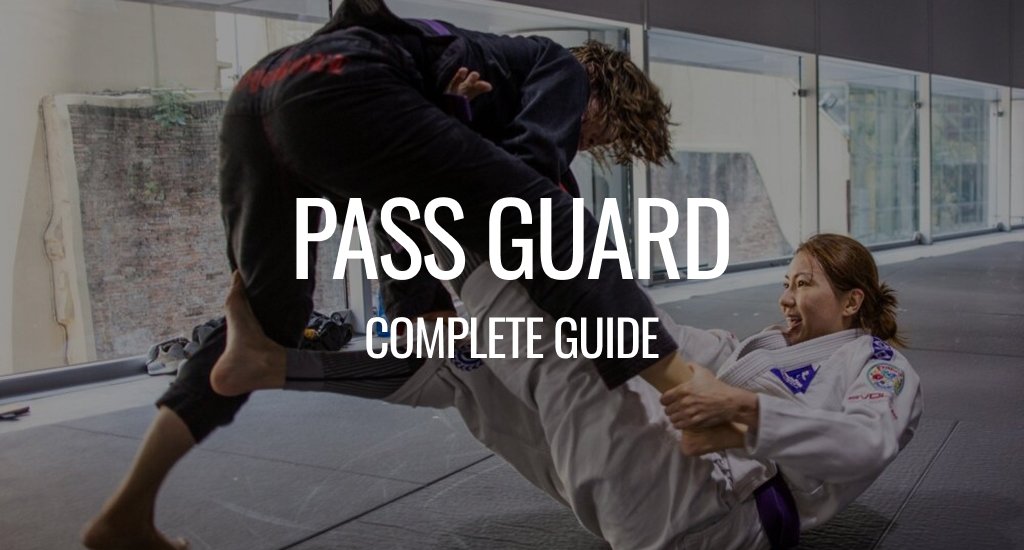
Guard passing in BJJ requires mastering three fundamental passes—knee slice, toreando, and leg drag—combined with universal principles of posture control, grip breaking, pressure distribution, and methodical advancement past your opponent’s legs to secure dominant positions like side control or mount. The two main guard passing philosophies are pressure passing (controlling hips with body weight to neutralize leg mobility, best against closed guard and half guard) and movement/speed passing (using angles and direction changes to redirect legs, best against open guard systems like spider guard and De La Riva). Beginners must avoid the six most common mistakes: breaking posture (allowing triangles and armbars), using excessive forward pressure (getting swept), failing to break grips first, skipping steps in the passing sequence, poor base leading to sweeps, and not securing the position after passing.
Evolve MMA identifies the critical concept: “Guard passing is like climbing a ladder—you need to methodically move up each rung, and skipping steps forces you to start over”. Elite Sports explains the strategic choice: “Pressure passing is more useful for high-elevated legs while speed passing is useful for low-positioned legs—experts combine both approaches based on opponent positioning”.
This comprehensive guide covers universal guard passing principles, the two main passing philosophies (pressure vs. movement), step-by-step techniques for passing every guard type, common mistakes that stall your progress, and belt-specific training progressions from white belt fundamentals through purple belt advanced systems.

Table of Contents
Universal Guard Passing Principles
Posture Control – Your First Line of Defense
Why posture matters:
Maintaining upright posture in closed guard and proper alignment in open guard prevents your opponent from breaking you down and attacking with triangle chokes, armbars, guillotines, and kimuras.
Evolve MMA warns: “Breaking posture is the most fundamental mistake—once you’re pulled down into closed guard, you open yourself to a barrage of submissions and sweeps”.
Proper posture mechanics:
In closed guard:
- Spine straight, chest up
- Head back (not leaning forward)
- Elbows in (protecting against triangle setup)
- Hips forward (pressure on opponent’s tailbone)
- Weight distributed through legs (not hands)
In open guard:
- Athletic stance (knees bent, ready to move)
- Hands controlling opponent’s legs or hips (not planted on mat)
- Head up, eyes on opponent
- Mobile base (ready to change angles)
What breaks posture:
- Collar grips pulling you down
- Sleeve control preventing arm posting
- Leg hooks (butterfly, De La Riva)
- Your own forward pressure (ironically)
Defending posture:
- Break collar grips immediately
- Keep elbows tight to body
- Use hips to create distance
- Stand when necessary
Breaking Grips – The Essential First Step
Instagram BJJ coach emphasizes: “Not breaking grips first is the #1 mistake—if you try to pass before clearing their grips, you’re fighting an uphill battle”.
Why grip fighting matters:
Your opponent uses gi grips (sleeves, collar, pants) or body grips (wrists, ankles, head) to control your movement, prevent passing, and set up sweeps and submissions.
Common grips to break:
Sleeve grips:
- Opponent controls your wrists/sleeves
- Prevents hand posting and movement
- Breaking: Circle arm opposite direction, use other hand to strip grip
Collar grips:
- Pulls you down, breaks posture
- Sets up cross collar choke and loop choke
- Breaking: Two-hand strip, create distance, stand
Pant grips:
- Controls legs and hips
- Common in De La Riva and spider guard
- Breaking: Step back, use opposite hand to strip
Fundamental grip breaking rule:
- Break grips BEFORE initiating pass
- Don’t try to pass while being controlled
- Create frames to prevent re-gripping
Pressure Distribution – Smart Weight Application
BJJ Fanatics on pressure passing: “Pressure must be strategic—apply weight to hips and upper legs, not knees or shins, to neutralize mobility while maintaining your balance”.
Proper pressure points:
Effective pressure (controls opponent):
- Hips (prevents hip escape and movement)
- Upper thighs (pins legs)
- Chest on chest (in knee slice final stages)
- Shoulder on jaw (in side control after pass)
Ineffective pressure (gets you swept):
- Knees on mat (poor base, easy to sweep)
- Weight too far forward (allows butterfly sweep)
- Hands posted wide (triangle arms, vulnerable to armbars)
- Pressure on shins/feet (does nothing)
Evolve MMA warns: “Too much forward pressure actually makes it easier for the person on bottom to sweep you—pressure must be technical, not brutish”.
Pressure passing vs. speed passing:
- Pressure: Use when opponent’s legs are elevated (high guard)
- Speed: Use when opponent’s legs are low/parallel to floor
- Combination: Switch based on opponent’s reactions
Advancing Past Legs – The Actual “Pass”
Evolve MMA explains: “Think of guard passes as climbing a ladder—to safely reach the top, you need to methodically move up the rungs; skipping a rung can result in a fall”.
Methodical advancement stages:
Stage 1: Control outside position
- Break grips
- Establish your grips (legs, hips, collar)
- Create angles
Stage 2: Clear first leg
- Pin or redirect one leg
- Prevent re-guard (leg coming back)
- Maintain pressure/control
Stage 3: Clear second leg
- Navigate past remaining leg
- Don’t rush (skipping rungs)
- Stay tight to prevent escape
Stage 4: Secure dominant position
- Settle weight in side control, mount, or back control
- Don’t give up position immediately
- Consolidate control before attacking
Common “skipping rungs” mistakes:
- Trying to jump directly to mount (opponent re-guards)
- Not controlling hips before advancing
- Rushing final step (gets shrimped back to guard)
Base and Balance – Sweep Prevention
Why base matters:
Poor base during guard passing makes you vulnerable to butterfly sweeps, scissor sweeps, X-guard sweeps, and De La Riva reversals.
Strong base mechanics:
Kneeling passes:
- Wide knee base (harder to sweep)
- Weight centered (not leaning)
- Ready to post hand if needed
- Mobile (can reposition quickly)
Standing passes:
- Staggered stance (not parallel feet)
- “Blade” your body (angled, not square)
- Bent knees (athletic position)
- Weight on balls of feet
Reddit r/bjj consensus: “When standing in guard, never keep feet parallel—stagger them and blade your body to prevent simple sweeps and increase passing efficiency”.
Base destroyers:
- Opponent’s butterfly hooks under your hips
- X-guard leg structure
- De La Riva hook on back of leg
- Your own excessive forward pressure

Two Guard Passing Philosophies
Pressure Passing – The Bernardo Faria Approach
What is pressure passing?:
Elite Sports defines: “Pressure passing is a technique in which the practitioner uses body weight to immobilize the opponent’s lower body by misaligning their hips and pinning their legs”.
Bernardo Faria Academy explains: “Pressure passes neutralize the opponent’s primary defensive weapon—their legs—by using your body weight to pin hips and limit mobility”.
Core pressure passing principles:
Constant forward pressure:
- Always moving toward opponent’s head
- Never giving space
- Forcing defensive reactions
- Tiring opponent out
Hip control:
- Pin hips to mat or to side
- Prevent hip escapes (shrimping)
- Control upper thigh/knee area
- Weight on hips, not knees
Chest-to-chest connection:
- Stay heavy on opponent
- Use chest pressure on upper body
- Don’t allow frames (arms creating space)
- Shoulder pressure on jaw (in final stages)
When pressure passing works best:
- Opponent’s legs are elevated (high guard)
- Closed guard (after opening)
- Half guard (smash passing)
- Against larger, less mobile opponents
- When you have superior strength/pressure
Pressure passing techniques:
- Knee slice pass (pressure-based variation)
- Double-under pass
- Stack pass
- Smash pass (vs. half guard)
Advantages:
- ✅ Conserves energy (opponent works harder)
- ✅ Frustrates aggressive guard players
- ✅ Good for heavier grapplers
- ✅ Limits opponent’s offensive options
Disadvantages:
- ❌ Slower than movement passing
- ❌ Requires strength endurance
- ❌ Can be countered by flexibility (opponent can reguard)
- ❌ Less effective against mobile, athletic opponents
Movement/Speed Passing – The Lachlan Giles Approach
What is movement passing?:
Evolve MMA defines: “Speed passing decreases the opponent’s reaction time as you quickly change angles and redirect their legs—it’s not about moving faster, but reducing their ability to respond”.
Elite Sports clarifies: “Speed passing is more useful for low-positioned legs (parallel to floor)—the passer moves quickly to pass guard and advance before opponent can react”.
Core movement passing principles:
Angles and direction changes:
- Constant movement (hard to track)
- Changing sides rapidly
- Redirecting legs (not forcing through them)
- Creating openings through motion
Leg control and redirection:
- Push/pull legs out of the way
- Toreando/bullfighter pass (pushing legs aside)
- Leg drag pass (dragging bottom leg across)
- Circle around legs
Grip fighting:
- Controlling ankles, knees, or pants
- Breaking opponent’s grips quickly
- Not allowing re-grips
- Staying mobile
When movement passing works best:
- Opponent’s legs are low (parallel to mat)
- Open guard systems
- Spider guard, lasso, De La Riva
- Against smaller, more flexible opponents
- When you have superior speed/agility
Movement passing techniques:
- Toreando pass (bullfighter)
- Leg drag pass
- X-pass (standing)
- Cartwheel pass (advanced)
Advantages:
- ✅ Faster than pressure passing
- ✅ Conserves more energy
- ✅ Works well for smaller grapplers
- ✅ Difficult for opponent to counter (constantly changing)
Disadvantages:
- ❌ Requires good timing and reflexes
- ❌ Can be countered by frames and re-guarding
- ❌ Less controlling (more scramble potential)
- ❌ Harder to learn (more technical nuance)
Combining Pressure and Movement
Elite Sports recommends: “Experts combine both approaches—pressure passing for high-elevated legs, speed passing for low-positioned legs, and switching based on opponent reactions”.
Evolve MMA adds: “When the opponent self-stacks resisting your pressure pass, they create openings for speed passes as they push their feet down—this transitions you from pressure to movement”.
Strategic combination:
- Start with pressure (opponent elevates legs to defend)
- Switch to speed/movement (as they lower legs)
- Back to pressure (once you get past first leg)
- Constant adaptation based on opponent positioning
Passing Closed Guard – The Foundation
Understanding Closed Guard
Why it’s the most fundamental:
Closed guard is the first guard position white belts learn, the most common in gi BJJ, and the foundation for understanding all guard passing concepts.
Reference our complete guide: Closed Guard Mastery covers the position from both perspectives.
Why closed guard is challenging to pass:
- Opponent controls distance with locked ankles
- Strong grip control (collar, sleeves)
- Numerous submission threats (triangle, armbar, kimura, omoplata)
- Sweep opportunities if you break posture
Two approaches: Standing vs. kneeling
Standing Closed Guard Break and Pass
Grapplearts analyzes: “Standing in guard makes you more vulnerable to sweeps and leglocks, but you’re more mobile and harder to attack with chokes and armlocks—gravity also helps tire out your opponent’s legs”.
Step 1: Break collar grips
- Two-hand strip on dominant grip
- Create space (push hips back slightly)
- NEVER stand with collar grip intact
- Reddit warns: “Standing without breaking grips allows guillotines and sweeps”
Step 2: Stand safely
- Control opponent’s hips (both hands on belt/pants)
- Staggered stance (not parallel feet)
- Blade body (angled position)
- Posture up (head back, spine straight)
Step 3: Open the guard
- Push one knee down to mat
- Use other leg to create pressure
- Drive hips forward
- Guard pops open
Step 4: Pass
- Immediately control opened legs
- Toreando pass (push legs aside)
- X-pass (step over leg)
- Leg drag (drag bottom leg)
When standing guard break works:
- ✅ Opponent has strong closed guard (difficult to open kneeling)
- ✅ You have good balance and base
- ✅ You want to transition to standing passes
- ✅ Against larger, heavier opponents (gravity helps)
Risks of standing:
- ❌ Guillotine choke if you don’t break grips first
- ❌ Sweeps if base is poor
- ❌ Leg locks (less common in gi BJJ)
Kneeling Closed Guard Break and Pass
Grapplearts notes: “Kneeling in guard makes you harder to sweep because your center of gravity is closer to the ground, but your arms and neck are more available for attacks”.
Kneeling guard break method:
Step 1: Posture and grip breaking
- Sit back on heels (upright spine)
- Break collar grips
- Establish your grips (inside elbows to sternum)
Step 2: Create wedge
- Keep one elbow inside (between you and opponent)
- Other hand posts on mat or controls hip
- Wedge elbow into thigh to create space
Step 3: Stand one leg
- Stand one foot up (keeping other knee down)
- Use standing leg to create pressure on thigh
- Drive hips forward
Step 4: Pop guard open
- Push standing knee against opponent’s thigh
- Use hand on hip to assist
- Guard releases
Step 5: Pass
- Knee slice pass (most common from here)
- Double-under pass
- Over-under pass
When kneeling guard break works:
- ✅ You have good pressure passing skills
- ✅ Opponent is smaller or less flexible
- ✅ You want to transition to kneeling passes
- ✅ You have lower risk tolerance for sweeps
Risks of kneeling:
- ❌ Triangle choke if elbows flare out
- ❌ Armbar if arm gets isolated
- ❌ Kimura if posture breaks
- ❌ Omoplata from overhook
Escapology BJJ emphasizes: “The key to passing closed guard is patience—rush the process and you’ll get triangled, armbared, or swept”.
Essential Guard Passes – Your Core Three
Knee Slice Pass – The Fundamental Pressure Pass
Why it’s essential:
The knee slice pass is the most fundamental guard pass in BJJ, works against open guard and half guard, combines pressure and movement, and transitions perfectly to side control.
Evolve MMA lists knee slice as #1 pass beginners must learn: “The knee slice is fundamental because it teaches pressure distribution, hip control, and methodical advancement”.
Basic knee slice mechanics:
Step 1: Grip control
- Control opponent’s far leg (knee or ankle)
- Other hand controls near hip or pants
- Clear grips on you first
Step 2: Slice knee across
- Drive knee across opponent’s near thigh
- Knee “slices” toward their far hip
- Keep weight forward (pressure on hips)
Step 3: Clear legs
- Use grips to control both legs
- Prevent bottom leg from re-guarding
- Stay tight to opponent’s body
Step 4: Settle in side control
- Chest-to-chest pressure
- Secure side control
- Control head and hips
Read our complete breakdown: Knee Slice Pass: Complete Technical Guide
Works best against:
- Open guard (after clearing legs)
- Half guard (primary half guard pass)
- Butterfly guard (after controlling hooks)
Common mistakes:
- Knee too high (easy to reguard)
- Not clearing bottom leg (opponent recovers guard)
- Poor pressure (opponent creates frames and escapes)
- Rushing final step (gets shrimped back to guard)
Toreando Pass – The Bullfighter Pass
Why it’s essential:
The toreando pass is the fundamental movement/speed pass, works exceptionally well against De La Riva and spider guard, and teaches angle creation and leg redirection.
YouTube coach explains: “The toreando pass is simple—move opponent’s legs out of the way—but the beginner mistake is not prioritizing keeping the guard player’s feet off of you”.
Basic toreando mechanics:
Step 1: Control both legs
- Grip both knees, ankles, or pants
- Push legs to one side (redirect)
- Keep opponent’s feet away from your body
Step 2: Move around legs
- Step/circle to opposite side
- Like bullfighter redirecting bull
- Stay mobile (don’t plant feet)
Step 3: Pin legs and pass
- Push legs down to mat
- Step over/around to side control
- Control hips immediately
Read our complete breakdown: Toreando Pass: Technical Breakdown and Common Mistakes
Works best against:
- Open guard variations
- De La Riva guard (pushing legs aside clears hook)
- Spider guard (redirecting legs breaks grips)
- Flexible opponents who recover guard easily with pressure
Common mistakes:
- Allowing opponent’s feet to touch your body (they can reguard)
- Moving too slowly (opponent adjusts and follows)
- Not controlling hips after redirecting legs
- Poor timing (telegraph the direction)
Leg Drag Pass – Modern Passing Fundamental
Why it’s essential:
The leg drag pass is the modern guard passing fundamental used in high-level competition, works against butterfly, X-guard, and single leg X, and transitions to back control or side control.
Basic leg drag mechanics:
Step 1: Control bottom leg
- Grip opponent’s bottom ankle or knee
- Other hand controls hip or belt
- Clear grips on your legs
Step 2: Drag leg across
- Pull bottom leg across opponent’s body
- Expose their back/hip
- Step to side (toward their back)
Step 3: Control and advance
- Keep leg pinned across
- Move to back or side
- Secure dominant position
Read our complete breakdown: Leg Drag Pass: Complete Guide to Modern Passing
Works best against:
- Butterfly guard (dragging bottom leg neutralizes hooks)
- X-guard (breaks structure)
- Single leg X (drag clears entanglement)
- Opponents who play low guards
Common mistakes:
- Not controlling the hips (opponent follows and re-guards)
- Dragging wrong leg (top leg is less effective)
- Poor positioning after drag (not securing back or side)
- Letting leg escape (opponent recovers guard)
Passing Specific Guard Types
Passing Spider Guard
**Understanding spider guard:
Spider guard uses sleeve grips and feet on biceps to control distance, prevent passing, and set up sweeps—you must clear the grips and foot pressure before passing.
Read our complete guide: Spider Guard: Complete Control System
Passing sequence:
Step 1: Break sleeve grips
- Circle arms opposite the grip direction
- Use free hand to strip grips
- Don’t try to pass while controlled
Step 2: Clear feet from biceps
- Push/circle feet off arms
- Establish your grips on legs
- Don’t allow feet to return to biceps
Step 3: Pass
- Toreando (push legs aside)
- Knee slice (pressure through)
- Standing passes (step around)
Common issues:
- Can’t break grips (opponent too strong)
- Feet keep returning to biceps (not controlling legs)
- Getting swept during pass attempt
Passing Lasso Guard
**Understanding lasso guard:
Lasso guard wraps your sleeve around opponent’s arm, creating control and sweep opportunities—unwrapping the lasso is priority.
Read our complete guide: Lasso Guard: Control and Sweeps
Passing sequence:
Step 1: Unwrap the lasso
- Pull wrapped arm out
- Circle elbow opposite wrap direction
- Use free hand to push knee away
Step 2: Control freed arm
- Pin arm to opponent’s body or mat
- Don’t allow re-wrapping
- Establish dominant grips
Step 3: Pass
- Pressure pass (knee slice)
- Toreando variation
- Stack pass (advanced)
Passing De La Riva Guard
**Understanding De La Riva guard:
De La Riva guard uses a hook behind your knee, opposite leg shin across, and grip control to create angles and sweeps.
Read our complete guide: De La Riva Guard: Sweeps and Back Takes
Passing sequence:
Step 1: Clear DLR hook
- Step back leg away from hook
- Or step forward over hook
- Don’t allow hook to return
Step 2: Control legs
- Grip both legs
- Push/redirect legs aside
- Clear shin across your body
Step 3: Pass
Passing Butterfly Guard
**Understanding butterfly guard:
Butterfly guard uses hooks under your hips and grip control to create elevation and sweeps—controlling the hooks is critical.
Read our complete guide: Butterfly Guard: Marcelo Garcia’s Sweeping System
Passing sequence:
Step 1: Control butterfly hooks
- Sprawl hips back (removes elevation)
- Or drive hips forward (smash hooks flat)
- Prevent underhooks (opponent’s main control)
Step 2: Clear hooks
- Push knees together (flattens hooks)
- Step legs back one at a time
- Maintain upper body control
Step 3: Pass
- Leg drag (drag bottom leg)
- Knee slice (pressure through)
- Smash pass (drive forward pressure)
Passing X-Guard
**Understanding X-guard:
X-guard uses leg entanglement to control your base and create sweeps—breaking the structure is priority.
Read our complete guide: X-Guard: Complete Sweep System
Passing sequence:
Step 1: Break X-guard structure
- Sit back (removes their leverage)
- Push top knee down
- Clear legs from under you
Step 2: Extract legs
- Step trapped leg free
- Control opponent’s legs
- Establish grips
Step 3: Pass
Passing Half Guard
**Understanding half guard:
Half guard traps one of your legs, creates underhook battles, and allows bottom player to recover full guard or sweep.
Read our complete guide: Half Guard: Recovery Position and Sweeps
Passing sequence:
Step 1: Win underhook battle
- Get underhook on trapped leg side
- Or control head with crossface
- Prevent opponent’s underhook (gives them advantage)
Step 2: Free trapped leg
- Knee slice motion
- Pull knee free
- Or step over (advanced)
Step 3: Secure pass
- Drive to side control
- Don’t allow leg to return
- Consolidate position
Most effective pass: Knee slice is the primary half guard passing technique.
Passing Deep Half Guard
**Understanding deep half guard:
Deep half guard has opponent deep under you with leg entanglement—dangerous position allowing powerful sweeps.
Read our complete guide: Deep Half Guard: Advanced Position
Passing sequence:
Step 1: Prevent sweeps
- Don’t let them get under you completely
- Sprawl weight back
- Control far leg
Step 2: Limp leg escape
- Make trapped leg “limp” (don’t resist)
- Pull knee toward chest
- Extract leg from entanglement
Step 3: Recover position
- Return to standard half guard
- Then execute knee slice

Passing 50/50 Guard
**Understanding 50/50 guard:
50/50 is leg entanglement position where both players have similar control—passing requires untangling legs.
Read our complete guide: 50/50 Guard: Leg Entanglement Position
Passing sequence:
Step 1: Extract top leg
- Pull knee free from opponent’s legs
- Don’t try to force through
- Technical extraction (not strength)
Step 2: Clear entanglement
- Step leg out completely
- Control opponent’s legs
- Don’t allow re-entanglement
Step 3: Pass
- Leg drag often works
- Control hips and advance
Passing Rubber Guard
**Understanding rubber guard:
Rubber guard pulls opponent’s head down using foot behind head—extreme flexibility required.
Read our complete guide: Rubber Guard: Eddie Bravo’s System
Passing sequence:
Step 1: Posture
- Don’t allow head to be pulled down
- Keep spine straight
- Break grip on head
Step 2: Clear leg from head
- Push knee away from head
- Create space
- Don’t allow lockdown (leg control)
Step 3: Pass
- Once rubber guard broken, standard passes work
- Knee slice or toreando
Passing Worm Guard
**Understanding worm guard:
Worm guard uses lapel wrapped around leg for control—modern competition guard.
Read our complete guide: Worm Guard: Keenan Cornelius’s Modern Guard
Passing sequence:
Step 1: Unwrap lapel
- Clear lapel from around leg
- Break opponent’s grips
- Don’t allow re-wrapping
Step 2: Standard passing
Common Guard Passing Mistakes
Mistake #1: Breaking Posture
The problem:
Instagram coach emphasizes: “Breaking posture is the most fundamental mistake—once your head is pulled down, you’re vulnerable to triangles, armbars, and kimuras”.
Why it’s dangerous:
- Allows triangle choke setup
- Armbar opportunities
- Guillotine when standing
- Kimura from broken posture
- Omoplata from overhooks
How it happens:
- Collar grips pulling you forward
- Reaching too far for grips
- Poor base (weight on hands instead of hips)
- Getting tired (posture collapses)
Prevention:
- Break collar grips immediately
- Keep elbows in (prevent triangle arms)
- Sit back on heels (maintain upright spine)
- Stand if necessary (reset posture)
Reference: What is Guard in BJJ explains why guard player wants to break your posture.
Mistake #2: Using Excessive Forward Pressure
Evolve MMA warns: “Too much forward pressure actually makes it easier for the person on bottom to sweep you—pushing forward without technique opens you to butterfly sweeps and hip bumps”.
Why it fails:
- Creates sweep opportunities (butterfly sweep, scissor sweep)
- Puts weight too far forward (poor base)
- Tires you out (opponent uses your pressure against you)
- Breaks your posture (bent over = vulnerable)
Reddit r/bjj consensus: “Dropping to a knee or attacking before you’ve cleared the hip line—pressure must be strategic, not brutish”.
Better approach:
- Pressure must be technical (hips, not knees)
- Combine pressure with movement
- Use angles (not straight forward)
- Control hips first, then advance
Mistake #3: Not Breaking Grips First
The problem:
Instagram coach states: “If you try to pass before clearing their grips, you’re fighting an uphill battle—control starts with breaking grips”.
Why grips matter:
- Collar grips pull you down (break posture)
- Sleeve grips prevent posting and movement
- Pant grips control your legs and base
- Grips set up sweeps and submissions
Common scenario:
- Beginner tries to pass with collar grip active
- Opponent pulls them forward
- Triangle or guillotine finishes them
Solution:
- Break dominant grip first (usually collar)
- Strip sleeve grips before advancing
- Create frames to prevent re-gripping
- Only then initiate passing sequence
Mistake #4: Skipping Steps in the Passing Sequence
Evolve MMA explains: “Think of guard passes as climbing a ladder—skipping rungs results in falling back to the start; you must methodically complete each step”.
The ladder concept:
- Break grips
- Clear first leg
- Clear second leg
- Secure position
What happens when you skip:
- Jump straight to mount → opponent re-guards
- Don’t control hips → opponent shrimps away
- Rush final step → back to guard
- All your work wasted
Example:
- Beginner clears one leg successfully
- Rushes to mount without controlling hips
- Opponent easily recovers half guard
- Back to square one
Solution:
- Complete each step fully
- Don’t rush
- Consolidate each position before advancing
- Patience beats speed in passing
Mistake #5: Poor Base Leading to Sweeps
The problem:
Poor base during passing makes you vulnerable to butterfly sweeps, scissor sweeps, and X-guard reversals.
Common base errors:
- Parallel feet when standing (easy to sweep)
- Weight too far forward (butterfly sweep)
- Knees together (unstable)
- Hands posted wide (poor structure)
Reddit r/bjj advises: “When standing in guard, stagger your feet and blade your body—parallel feet are a sweep waiting to happen”.
Proper base:
- Staggered stance (standing)
- Wide knees (kneeling)
- Weight centered (not leaning)
- Mobile (ready to adjust)
Mistake #6: Not Securing Position After Passing
Evolve MMA warns: “Maintain solid base and posture after you pass—don’t let all that hard work be for nothing by immediately losing the position”.
What happens:
- Pass successfully to side control
- Immediately try submission or advance to mount
- Opponent escapes back to guard
- Passing effort wasted
Better approach:
- Settle weight in side control (3-5 seconds minimum)
- Control head and hips
- Then decide next move
- Consolidate before advancing
Reference: Side Control Escape shows what opponent is trying to do after you pass.
Guard Passing Progression by Belt Level
White Belt Guard Passing Focus
**Priority for white belts:
Master the fundamentals:
- Closed guard opening and passing (kneeling method)
- Knee slice pass (pressure passing foundation)
- Posture maintenance (don’t get broken down)
- Basic grip breaking
Evolve MMA recommends white belts focus on four essential passes: knee slice, toreando, double-under, and stack pass.
White belt training:
- Drill closed guard opening (kneeling and standing)
- Practice knee slice against cooperative partner
- Positional sparring (start in guard, work on passing only)
- Focus on not getting submitted while passing
Common white belt issues:
- Breaking posture (getting triangled)
- Excessive forward pressure (getting swept)
- Impatience (rushing the pass)
- Not understanding the ladder concept
Goals by blue belt:
- Confidently open and pass closed guard
- Execute clean knee slice pass
- Maintain posture against resistance
- Understand basic guard passing concepts
Blue Belt Guard Passing Development
**Priority for blue belts:
Expand passing repertoire:
- Toreando pass (movement passing)
- Leg drag pass (modern passing)
- Passing open guard variations
- Combination passing (chaining passes together)
Specific guard types to learn:
- Spider guard passing (break grips, toreando)
- De La Riva guard passing (clear hook, pass)
- Butterfly guard passing (control hooks, smash or drag)
- Half guard passing refinement
Blue belt training:
- Positional sparring against specific guards
- Drilling pass combinations (if this fails, do this)
- Live rolling with focus on passing
- Study BJJ instructionals (Danaher passing series)
Goals by purple belt:
- Pass all basic open guards
- Chain 2-3 passes together
- Understand pressure vs. movement selection
- Develop personal passing style
Purple Belt and Above – Advanced Passing
Priority for purple belts and higher:
Advanced passing systems:
- Complete pressure passing chain
- Complete movement passing chain
- Passing modern guards (worm guard, 50/50, deep half)
- Countering berimbolo and inversions
Strategic development:
- Reading opponent’s guard style immediately
- Selecting optimal passing approach
- Adapting mid-pass (pressure to movement or vice versa)
- Competition-level guard passing
Advanced techniques:
- Backstep passes (counter berimbolo)
- Leg weave passes
- Float passing
- Cartwheel pass
Purple+ training:
- Competing regularly
- Teaching passing to lower belts (reinforces concepts)
- Studying world-class passers (Leandro Lo, Rodolfo Vieira, Gordon Ryan)
- Developing signature passing style
Training Guard Passing Effectively
Positional Sparring for Passing
Most effective training method:
Setup:
- Partner starts in guard (specific type)
- You start in passing position
- Time limit (3-5 minutes)
- Reset if pass succeeds or opponent sweeps/submits
Benefits:
- High-volume passing repetitions
- Live resistance (not drilling)
- Immediate feedback
- Develops timing and pressure
Variations:
- Specific guard type (spider, DLR, etc.)
- Handicap (you can only use one pass type)
- Competition rules (points for passing)
Drilling Guard Passes
Technical drilling:
- Partner cooperative (offers appropriate resistance)
- Focus on technique perfection
- High volume (20-30 reps per side)
- Slow initially, speed up gradually
Recommended drills:
- Knee slice from half guard (10 reps each side)
- Toreando from open guard (10 reps each side)
- Leg drag from butterfly (10 reps each side)
- Closed guard opening to pass (5 full sequences)
Progression:
- Week 1-2: Cooperative drilling
- Week 3-4: Light resistance
- Week 5+: Positional sparring
Studying Guard Passing
BJJ instructionals worth studying:
Recommended passing instructionals:
- John Danaher – “Passing the Guard: BJJ Fundamentals – Go Further Faster”
- Bernardo Faria – Pressure passing systems
- Lachlan Giles – Modern guard passing
- Gordon Ryan – Guard passing sequences
Reference our guide: Are BJJ Instructionals Worth It? for how to study effectively.
Studying method:
- Watch 1-2 techniques
- Drill immediately at next training
- Take notes on key details
- Review after live rolling
Using Grappling Dummies (Limited Value)
- Can’t replicate guard resistance
- No grip fighting
- No reactions to your movements
- Limited for passing practice
Reference our guide: Are BJJ Dummies Worth It? explains when dummies help vs. hinder.
When dummy helps:
- Drilling movement patterns (angle changes)
- Solo practice when no partners available
- Visualizing passing sequences
Better training: Live rolling with partners, positional sparring, technical drilling with resistance.
Advanced Guard Passing Concepts
Backstep Passes – Countering Modern Guards
What are backstep passes:
Backstep passes counter inverted guards and berimbolo attempts by stepping back around opponent’s inversion to take the back or pass.
When to use:
- Opponent inverts (berimbolo attempt)
- Deep half guard recovery
- Modern competition guards
Basic mechanics:
- Opponent inverts underneath you
- Step back leg (opposite direction of inversion)
- Circle around to back control or pass
Skill level: Purple belt and above
Leg Weave Passes
What are leg weave passes:
Advanced passing where you weave your leg through opponent’s guard to control legs and pass.
When to use:
- Against flexible opponents
- Open guard variations
- Competition-level passing
Skill level: Purple belt and above
Recognizing Guard Types Instantly
High-level skill:
Advanced passers identify guard type immediately and select optimal passing approach:
Closed guard → Open and pass (standing or kneeling)
Spider guard → Break grips, toreando
DLR → Clear hook, leg drag
Butterfly → Control hooks, smash or drag
X-guard → Break structure, leg drag
Half guard → Win underhook, knee slice
Developing recognition:
- Experience (hundreds of hours passing)
- Studying different guards
- Positional sparring against each guard type
- Competing (facing variety of opponents)
Frequently Asked Questions
What is the easiest guard pass for beginners?
The knee slice pass is the easiest and most fundamental guard pass for beginners because it teaches pressure distribution, methodical advancement, and works against both open guard and half guard. Evolve MMA lists the knee slice as the #1 pass all beginners must learn. White belts should master the knee slice before learning movement-based passes like toreando or leg drag.
Should I pass guard standing or kneeling?
Both standing and kneeling guard breaks have advantages—standing gives you more mobility and makes you harder to attack with chokes/armlocks but more vulnerable to sweeps, while kneeling makes you harder to sweep but easier to attack with submissions. Grapplearts explains that “kneeling brings your center of gravity closer to the ground (harder to sweep), while standing allows more mobility and uses gravity to tire opponent’s legs”. Reddit r/bjj consensus recommends standing with staggered, bladed stance if you have good balance, kneeling if you’re newer or want lower risk.
What’s the difference between pressure passing and speed passing?
Pressure passing uses body weight to immobilize the opponent’s hips and legs (best when legs are elevated), while speed passing uses quick direction changes and angles to redirect legs before opponent can react (best when legs are low/parallel to mat). Elite Sports clarifies that “pressure passing is more useful for high-elevated legs while speed passing is useful for low-positioned legs—experts combine both approaches based on opponent positioning”. Evolve MMA adds that “when opponent resists pressure passing by pushing their legs down, this creates openings for speed passing—advanced passers switch between styles fluidly”.
What are the most common guard passing mistakes?
The six most common guard passing mistakes are breaking posture (allowing triangles and armbars), using excessive forward pressure (getting swept), not breaking grips first, skipping steps in the passing sequence, poor base leading to sweeps, and failing to secure position after passing. Evolve MMA warns that “breaking posture is the most fundamental mistake—once pulled down into closed guard, you’re vulnerable to submissions and sweeps”. Instagram coach emphasizes that “not breaking grips first means you’re fighting an uphill battle—control starts with grip fighting”.
How do I pass spider guard?
To pass spider guard, you must first break sleeve grips by circling arms opposite the grip direction, then clear feet from your biceps by pushing/circling them off, and finally execute toreando pass (redirecting legs) or knee slice pass (pressure through). Evolve MMA lists spider guard passing as essential for blue belts. The key is never attempting to pass while opponent controls your sleeves and has feet on biceps—grip breaking must happen first.
How do I pass closed guard?
To pass closed guard, first break collar grips, then either stand safely and push one knee down to open the guard or use kneeling guard break by creating a wedge with your elbow, and finally pass using knee slice, toreando, or double-under pass. BJJ Fanatics’ 3-step method emphasizes breaking grips first, standing safely with staggered stance, then opening and passing. Reddit r/bjj recommends staggered feet and bladed body position when standing to prevent sweeps.
What guard pass should white belts learn first?
White belts should learn knee slice pass first because it’s the most fundamental pressure pass, teaches proper weight distribution and methodical advancement, and works against multiple guard types including open guard and half guard. Evolve MMA identifies four essential passes for beginners: knee slice, toreando, double-under, and stack pass, with knee slice being the foundation. After mastering knee slice, white belts should add toreando pass for movement-based passing.
How do I avoid getting swept while passing guard?
To avoid getting swept while passing guard, maintain proper base with wide knees (kneeling) or staggered stance (standing), distribute weight correctly on hips rather than leaning forward, break grips before advancing, and don’t skip steps in the passing sequence. Evolve MMA warns that “too much forward pressure makes it easier for opponent to sweep you—pressure must be technical, not brutish”. Reddit r/bjj emphasizes that parallel feet when standing are “a sweep waiting to happen—always stagger and blade your body”.
What’s the best way to practice guard passing?
The best way to practice guard passing is positional sparring where you start in guard passing position against live resistance for 3-5 minute rounds, combined with technical drilling of specific passes (20-30 reps) and studying BJJ instructionals like John Danaher’s “Passing the Guard” series. Evolve MMA recommends beginners drill the four fundamental passes repeatedly before adding complexity. Positional sparring provides high-volume passing repetitions with immediate feedback, while drilling perfects technique—combine both for optimal results.
How long does it take to get good at guard passing?
Getting competent at guard passing takes 6-12 months of consistent training (3+ times weekly) for white belts to pass basic guards, 2-3 years to develop variety and pass open guard systems as blue belts, and 4-6 years to master advanced passing as purple belts and above. Guard passing is a lifetime skill that continues improving through the belt system progression. Focus on mastering fundamentals (knee slice, toreando, leg drag) before adding complexity.
Master Guard Passing Fundamentals
Essential Guard Passing Resources:
- Knee Slice Pass – Fundamental pressure pass
- Toreando Pass – Movement passing essential
- Leg Drag Pass – Modern passing fundamental
Understanding Guard Systems:
- What is Guard in BJJ? – Complete concept breakdown
- Closed Guard Mastery – Most fundamental guard
- Open Guard Evolution – Modern guard systems
Specific Guard Types to Pass:
- Spider Guard – Break grips and pass
- De La Riva Guard – Clear hooks and redirect
- Butterfly Guard – Control hooks and advance
- X-Guard – Break structure and extract
- Half Guard – Win underhook battle
- Lasso Guard – Unwrap and pressure
- 50/50 Guard – Untangle legs
- Deep Half Guard – Limp leg escape
- Rubber Guard – Posture and clear
- Worm Guard – Unwrap lapel
Submissions to Avoid While Passing:
- Triangle Choke – Keep elbows in
- Armbar – Don’t isolate arms
- Guillotine Choke – Break grips before standing
- Kimura – Maintain posture
- Omoplata – Avoid overhooks
Positions After Successful Passing:
- Side Control – Consolidate after pass
- Mount Position – Advanced passing target
- Back Control – Leg drag to back
Belt System Progression:
- White Belt Guide – Learn fundamentals
- Blue Belt Guide – Expand repertoire
- Purple Belt Guide – Master advanced passing
- BJJ Belt System – Complete progression
Training Resources:
- Are BJJ Instructionals Worth It? – Study Danaher’s passing
- Are BJJ Dummies Worth It? – Limited for passing practice
Advanced Techniques:
- Berimbolo – Learn to counter with backsteps
The bottom line: Guard passing is a fundamental BJJ skill that requires mastering three essential passes (knee slice, toreando, leg drag), understanding when to use pressure vs. movement passing, avoiding the six common mistakes that stall progress, and methodically climbing the ladder from grip breaking through leg clearing to position consolidation. Start with closed guard passing fundamentals as a white belt, expand to open guard systems as a blue belt, and refine advanced passing chains at purple belt and beyond.
Pass methodically. Combine pressure and movement. Progress through the guards. 🥋
How We Reviewed This Article
Editorial Standards: Information verified through competition footage analysis, instruction from black belt coaches with 15+ years teaching experience, guard passing principles from John Danaher and Bernardo Faria systems, practitioner feedback across all belt levels, and IBJJF competition rule compliance.
Sources Referenced:
- BJJ Fanatics (Danaher passing fundamentals, closed guard techniques)
- Evolve MMA (beginner passes, common mistakes)
- Elite Sports (pressure vs. speed passing comparison)
- Bernardo Faria Academy (pressure passing breakdown)
- Grapplearts (standing vs. kneeling analysis)
- Escapology BJJ (closed guard passing strategy)
- Reddit r/bjj (practitioner consensus on techniques)
- Instagram BJJ coaches (common mistakes identification)
- YouTube instructionals (technical demonstrations)
Last Updated: January 14, 2026


Pingback: Brazilian Jiu-Jitsu: A Beginner's Guide to Getting Started
Pingback: 7 Harsh Truths: Why Blue Belts Quit BJJ
Pingback: Jujutsu vs Brazilian Jiu Jitsu: 13 Shocking Differences
Pingback: What is IBJJF? Complete BJJ Federation Guide - BJJ Sportswear
Pingback: Your Ultimate Gracie Jiu Jitsu Tattoo Guide