
On This Page
Editorial Standards
Reviewed by the BJJ Sportswear Editorial Team for technical accuracy and kept current.
Essential BJJ Sportswear Gear for Beginners
You do not need everything on day one. Here is exactly what gear actually matters for a beginner, in the order you actually need it.
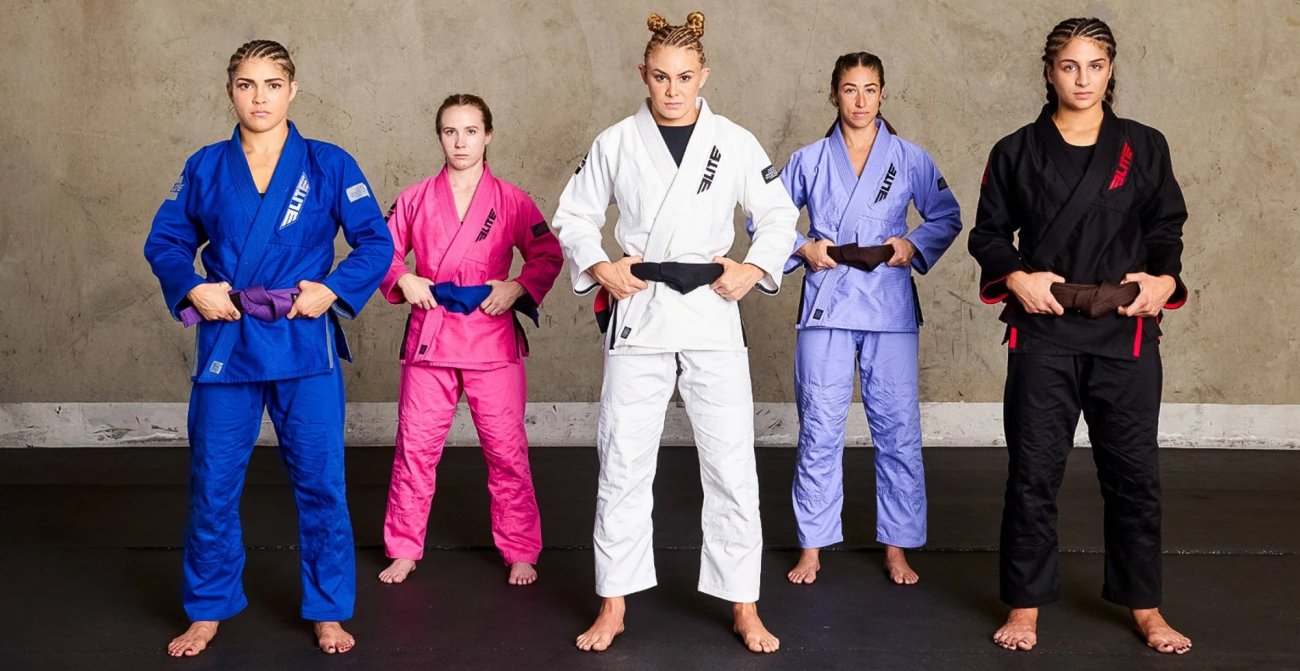
New BJJ students often overbuy gear before they've even confirmed they'll stick with the sport. Here's what actually matters, and when you actually need it.
Before Your First Class
Most academies let you try your first class or two in a plain t-shirt and shorts or leggings — no gi, no rash guard required yet. Don't buy anything before confirming the academy's specific trial-class policy.
Once You've Decided to Commit
A gi, if the academy trains gi (most do). See our gi size chart and how a gi should fit guides before buying, and our guide to choosing a gi for weave and brand decisions.
A mouthguard. Inexpensive and easy to overlook, but genuinely important once live sparring starts — a boil-and-bite option from any sporting goods store is a fine starting point.
A rash guard and grappling shorts, needed for no-gi classes and useful even under the gi for the reasons covered in our guide on rash guard benefits.
A Few Weeks In
A gym bag big enough to carry gi, rash guard, and a change of clothes without everything getting crushed together — a ventilated compartment for sweaty gear is worth the small extra cost.
Flip-flops or sandals for walking to and from the mat area, since bare feet off the mat (and shoes on the mat) are both hygiene issues at most academies.
A second gi, once you're training gi consistently enough that one gi can't dry between sessions — this is a "once you know you're staying" purchase, not a day-one one.
What You Genuinely Don't Need Right Away
Ear guards, specific competition-cut gis, grappling dummies, and branded academy merchandise are all things new students often buy too early. None of them meaningfully affect your first few months of training, and it's easy to spend money on gear before you've confirmed BJJ is a long-term fit.
Frequently Asked Questions
What gear do you actually need for your first BJJ class? Usually nothing beyond a plain t-shirt and shorts or leggings — most academies let beginners try a class or two before requiring a gi or rash guard.
Do you need a mouthguard for BJJ? Yes, once live sparring starts — it's inexpensive and meaningfully reduces dental injury risk during scrambles and rolls.
How many gis should a beginner own? One is enough to start. A second gi becomes worth it once you're training frequently enough that a single gi can't fully dry between sessions.
Should beginners buy a grappling dummy right away? No — see our full breakdown of whether a BJJ dummy is worth it before buying one; it's rarely a day-one purchase.
The Bottom Line
Start minimal — a t-shirt and shorts for your trial classes, then a gi, mouthguard, and rash guard once you've committed. Everything else can wait until you know BJJ is sticking.
Tagged with:#gear checklist#beginners#bjj guides
Frequently Asked Questions
What gear do you actually need for your first BJJ class?
Usually nothing beyond a plain t-shirt and shorts or leggings — most academies let beginners try a class or two before requiring a gi or rash guard.
Do you need a mouthguard for BJJ?
Yes, once live sparring starts — it's inexpensive and meaningfully reduces dental injury risk during scrambles and rolls.
How many gis should a beginner own?
One is enough to start. A second gi becomes worth it once you're training frequently enough that a single gi can't fully dry between sessions.
Should beginners buy a grappling dummy right away?
No — see our full breakdown of whether a BJJ dummy is worth it before buying one; it's rarely a day-one purchase.
About the Author
Mohsin AyubBJJ practitioner, 6 years — Gracie Barra
Founder & Editor, BJJ Sportswear
Mohsin has trained Brazilian Jiu-Jitsu for six years at Gracie Barra and has competed at IBJJF-affiliated tournaments. He writes about competition, gear, and athlete careers, and founded BJJ Sportswear to help grapplers find equipment and information they can trust.
- Six years training Brazilian Jiu-Jitsu at Gracie Barra
- Competed at IBJJF-affiliated tournaments
- Writes on BJJ competition, gear testing, and athlete careers
This article was last reviewed and updated on 2026-08-18.