
On This Page
Editorial Standards
Reviewed by the BJJ Sportswear Editorial Team for technical accuracy and kept current.
What Age Should You Start Jiu-Jitsu?
There is no wrong age to start BJJ. Kids programs open as young as 4, and plenty of practitioners start their first class well into their 40s and 50s.
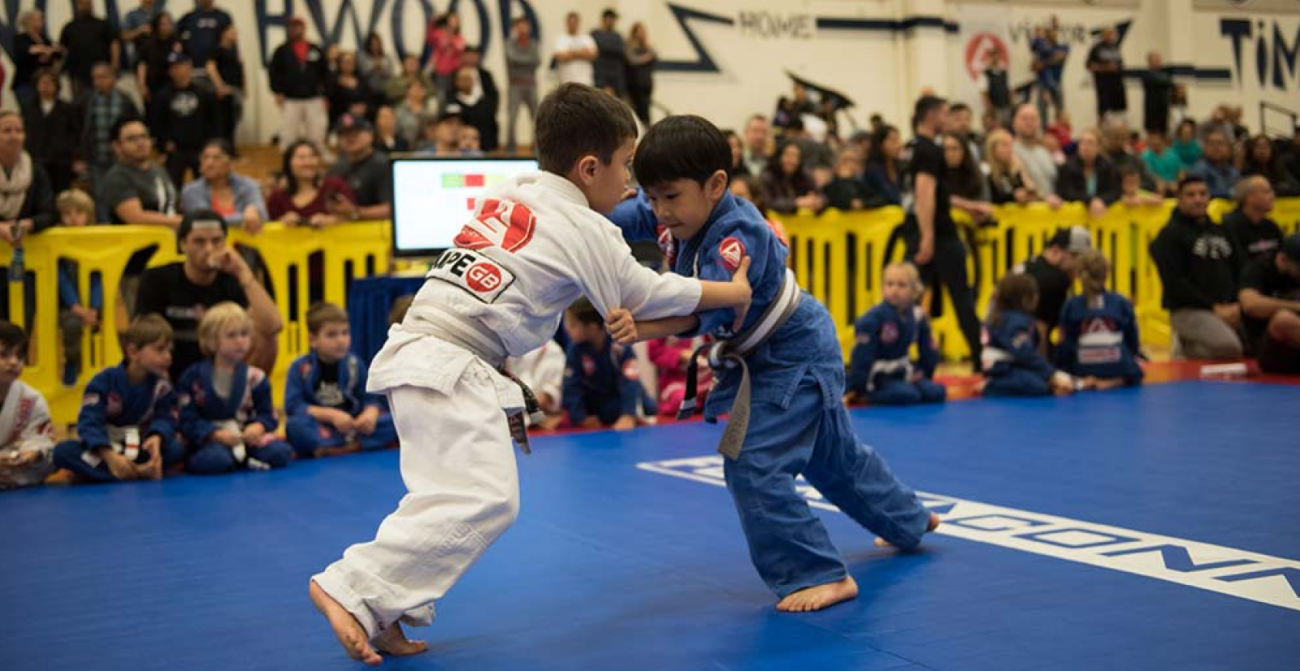
There is no single "right" age to start BJJ. Kids programs typically open around age 4, and it's genuinely common for adults to start their first class in their 30s, 40s, or later, with no meaningful ceiling on when it's "too late."
Starting as a Kid
Most academies open kids programs around age 4-6, with curricula built specifically for that age group — shorter attention spans, safety-first rules (no heel hooks or aggressive leg locks), and a youth belt system (grey, yellow, orange, green) separate from the adult ranks. Early exposure builds body awareness, discipline, and confidence, though the technical depth develops much more once a young practitioner transitions into the adult system in their teens.
Starting as a Teenager
Teenagers can typically join adult classes around 15-16, depending on the academy's policy and the individual's physical maturity. This is often considered close to an ideal starting window — enough physical development to train safely with adults, plus years ahead to build toward a black belt at a normal pace.
Starting as an Adult
There genuinely is no upper age limit. Plenty of practitioners start in their 30s, 40s, 50s, and beyond, and academies with a real beginner-focused culture structure fundamentals classes to accommodate a wide range of ages and fitness levels. Starting later does mean paying more attention to joint health, warm-up quality, and training intensity relative to your body's recovery capacity — but it doesn't meaningfully change whether you can learn or enjoy the art.
Does Starting Age Affect How Far You Can Progress?
Less than most people assume. Technique and consistency matter far more than the age you started at. Plenty of black belts began training in their 30s or 40s. The main practical difference is pacing — an older beginner may want to train slightly less aggressively early on to avoid overuse injuries, but the ceiling on how skilled you can become isn't capped by starting age the way it might be in a more explosively athletic sport.
Frequently Asked Questions
Is 30 too old to start BJJ? No — it's a common starting age, and plenty of practitioners who start in their 30s go on to earn black belts. See our full guide to starting BJJ at 30 for specifics.
What age can kids start BJJ? Most academies open kids programs around age 4-6, with a curriculum and belt system built specifically for younger students.
Is there an age limit to start Jiu-Jitsu? No formal upper limit exists. Training intensity and recovery pacing should adjust with age, but there's no age at which starting BJJ becomes impossible or pointless.
Does starting BJJ young give a long-term advantage? Some, mainly in body awareness and the number of total training years available, but consistency and coaching quality matter far more to long-term skill than starting age alone.
The Bottom Line
Whether you're considering a kids program at 4 or your own first class at 45, age is rarely the real obstacle to starting BJJ — consistency and finding the right academy matter far more than when you begin.
Tagged with:#beginners#kids bjj#bjj guides
Frequently Asked Questions
Is 30 too old to start BJJ?
No — it's a common starting age, and plenty of practitioners who start in their 30s go on to earn black belts.
What age can kids start BJJ?
Most academies open kids programs around age 4-6, with a curriculum and belt system built specifically for younger students.
Is there an age limit to start Jiu-Jitsu?
No formal upper limit exists. Training intensity and recovery pacing should adjust with age, but there's no age at which starting BJJ becomes impossible or pointless.
Does starting BJJ young give a long-term advantage?
Some, mainly in body awareness and the number of total training years available, but consistency and coaching quality matter far more to long-term skill than starting age alone.
About the Author
Mohsin AyubBJJ practitioner, 6 years — Gracie Barra
Founder & Editor, BJJ Sportswear
Mohsin has trained Brazilian Jiu-Jitsu for six years at Gracie Barra and has competed at IBJJF-affiliated tournaments. He writes about competition, gear, and athlete careers, and founded BJJ Sportswear to help grapplers find equipment and information they can trust.
- Six years training Brazilian Jiu-Jitsu at Gracie Barra
- Competed at IBJJF-affiliated tournaments
- Writes on BJJ competition, gear testing, and athlete careers
This article was last reviewed and updated on 2026-08-18.