
On This Page
Editorial Standards
Reviewed by the BJJ Sportswear Editorial Team for technical accuracy and kept current.
Types of BJJ Gis: A Complete Guide
Not all BJJ gis are built the same way. Here is what separates the common weave types, and which situations each one actually suits.
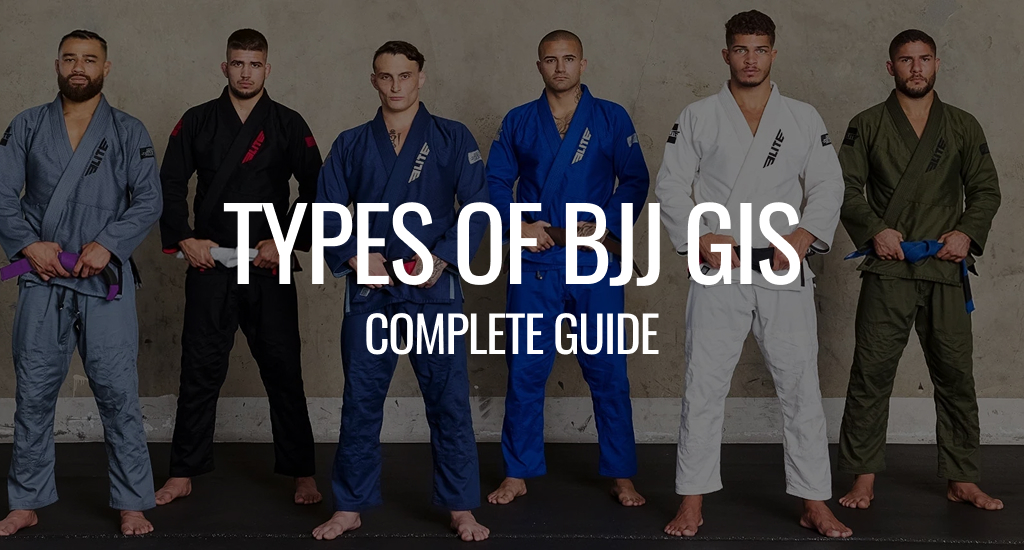
Beyond basic sizing, BJJ gis come in several distinct weave and cut types, each built for a different priority — durability, weight, breathability, or fit.
The Main Weave Types
Single weave — a lighter, simpler weave that prioritizes mobility and breathability over raw durability. A common choice for competition and hot-climate training.
Double weave — a denser, heavier weave built for durability under constant grip fighting. The standard choice for everyday training wear, at the cost of extra weight and heat.
Pearl weave — a midpoint between single and double weave, using a distinctive pearl-like texture that balances durability with a lighter feel than traditional double weave. A popular modern default for both training and competition.
Gold weave — a lightweight, tightly woven fabric that keeps some double-weave durability while shedding significant weight, often marketed as a premium competition option.
Cuts and Fits Beyond Adult Standard
Women's gis use a separate size series cut for female proportions — narrower shoulders, a tapered waist, wider hips — rather than a scaled-down men's cut. See our full gi size chart for the specific measurements.
Kids' gis are cut shorter and lighter overall, often in a more durable, wash-resistant fabric blend suited to the higher class frequency and rougher handling kids' gear tends to get.
Competition-cut gis are tailored closer to the body than standard training gis, within IBJJF and other federation fit tolerances, since a looser competition gi gives an opponent more fabric to grab.
How to Pick Between Them
If you train several times a week and want one gi to hold up to daily wear, double weave or pearl weave is the safer choice. If you compete regularly and want to shave weight without sacrificing too much durability, gold weave or a well-made pearl weave is worth the extra cost. If budget is the main constraint, a mid-range single weave or pearl weave from a reputable brand covers most training needs without overspending. Our guide on how to choose a BJJ gi covers the brand and budget side of this decision in more depth.
Frequently Asked Questions
What is the most durable type of BJJ gi weave? Double weave is generally the most durable against constant grip fighting, though it comes with more weight and heat than lighter weaves.
What is pearl weave, and is it good for beginners? Pearl weave is a midpoint weave balancing durability and weight, and it's a solid, versatile choice for beginners who want one gi that handles both regular training and occasional competition.
Are women's BJJ gis just smaller men's gis? No — women's gis use a genuinely different cut (narrower shoulders, tapered waist, wider hips), not a scaled-down version of the men's pattern.
Do competition gis fit differently than training gis? Yes — competition-cut gis are tailored closer to the body, within federation fit tolerances, since extra loose fabric gives an opponent more to grab.
The Bottom Line
Weave type changes how a gi feels and how long it lasts far more than most beginners expect. Double weave or pearl weave covers most everyday training needs, with gold weave worth considering once competition weight genuinely matters to you.
Tagged with:#gi weave#gear buying guide#bjj guides
Frequently Asked Questions
What is the most durable type of BJJ gi weave?
Double weave is generally the most durable against constant grip fighting, though it comes with more weight and heat than lighter weaves.
What is pearl weave, and is it good for beginners?
Pearl weave is a midpoint weave balancing durability and weight, and it's a solid, versatile choice for beginners who want one gi that handles both regular training and occasional competition.
Are women's BJJ gis just smaller men's gis?
No — women's gis use a genuinely different cut (narrower shoulders, tapered waist, wider hips), not a scaled-down version of the men's pattern.
Do competition gis fit differently than training gis?
Yes — competition-cut gis are tailored closer to the body, within federation fit tolerances, since extra loose fabric gives an opponent more to grab.
About the Author
Mohsin AyubBJJ practitioner, 6 years — Gracie Barra
Founder & Editor, BJJ Sportswear
Mohsin has trained Brazilian Jiu-Jitsu for six years at Gracie Barra and has competed at IBJJF-affiliated tournaments. He writes about competition, gear, and athlete careers, and founded BJJ Sportswear to help grapplers find equipment and information they can trust.
- Six years training Brazilian Jiu-Jitsu at Gracie Barra
- Competed at IBJJF-affiliated tournaments
- Writes on BJJ competition, gear testing, and athlete careers
This article was last reviewed and updated on 2026-08-18.