
On This Page
Editorial Standards
Reviewed by the BJJ Sportswear Editorial Team for technical accuracy and kept current.
How to Choose a BJJ Gi: Weave, Brand & Budget
Once you know your size, the real decision is fabric weave, weight, and budget. Here is how those choices actually affect how the gi performs.
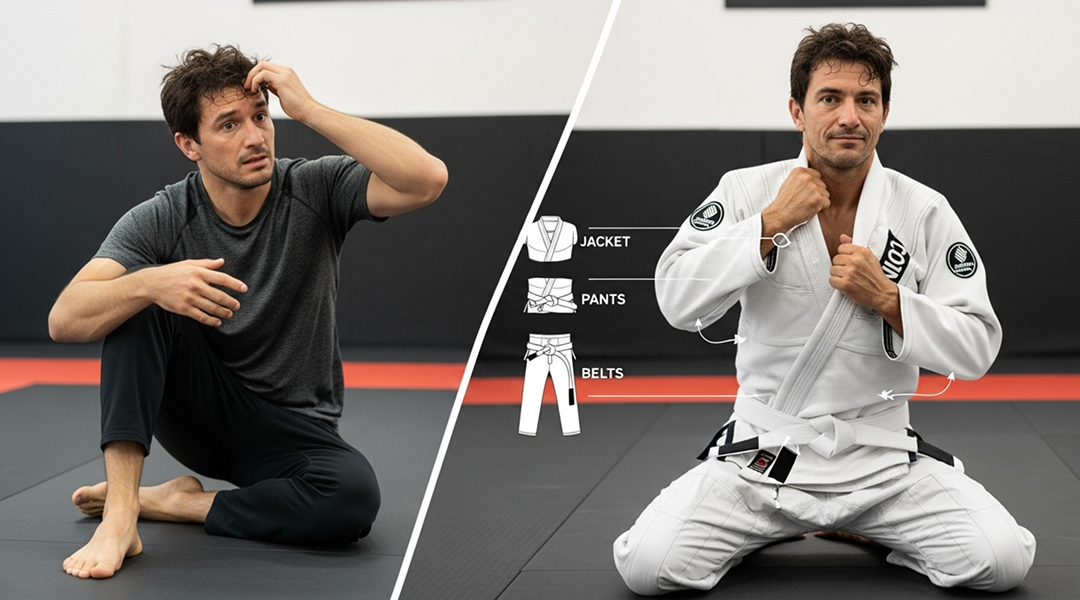
Once you've settled on the right size using our BJJ gi size chart, the harder decision is what kind of gi to actually buy — fabric weave, weight, and brand all change how it performs and how long it lasts.
Single Weave vs. Double Weave
Single weave gis use a lighter, less densely woven cotton — cooler, more flexible, and easier to move in, which makes them a common choice for competition and hot climates. They're generally less durable long-term than double weave.
Double weave gis use a denser, heavier weave that resists grip-fighting wear far better, making them a common choice for everyday training. The tradeoff is weight and heat — a double weave gi is noticeably hotter and slightly slower to move in.
Many practitioners eventually own one of each: a lighter single weave for competition or hot-weather training, and a heavier double weave for regular class wear.
What Fabric Weight (GSM) Tells You
Gi fabric is often listed by weight in grams per square meter (GSM). Lighter gis (around 350-450 GSM) prioritize mobility and breathability. Heavier gis (550 GSM and up) prioritize durability and grip resistance, at the cost of extra weight and heat. Neither is objectively "better" — it depends on whether you value mobility or durability more for your specific training situation.
Competition Legality
If you plan to compete, confirm your gi meets your federation's specific rules before buying — color restrictions, patch placement rules, and fit tolerances (see our guide on how a gi should fit) all vary by organization and can get you disqualified at weigh-in if ignored.
Balancing Brand Reputation Against Price
Established gi brands with a strong competition reputation generally command a premium, similar to the fabric-quality logic that applies to rash guards — better stitching, more consistent sizing across the line, and fabric that holds up to years of grip fighting. For a beginner still deciding if BJJ is a long-term commitment, a mid-range gi from a reputable brand is usually the better value than either the cheapest option available or a premium competition gi bought before you know your preferences.
Frequently Asked Questions
Is single weave or double weave better for a beginner? Double weave is generally the safer starting choice — it's more durable under the grip-heavy wear a new gi takes, even though it's a bit heavier and hotter than single weave.
What does GSM mean on a BJJ gi? It stands for grams per square meter, a measure of fabric weight and density. Higher GSM means a heavier, more durable gi; lower GSM means a lighter, more breathable one.
Do I need a different gi for competition than for regular training? Not strictly, but many competitors prefer a lighter single weave gi for competition mobility and a heavier double weave gi for everyday training wear and tear.
Does a more expensive gi actually perform better, or is it just the brand name? Generally yes for reputable brands — the price difference usually reflects real fabric quality, stitching consistency, and sizing accuracy, not just marketing.
The Bottom Line
Once size is settled, weave and weight are the decisions that actually change how a gi feels and performs. A double weave gi in a mid-range brand is a safe, durable starting point for most beginners, with a lighter single weave gi worth adding once you know whether competition or hot-weather training matters to you.
Tagged with:#choosing a gi#gear buying guide#bjj guides
Frequently Asked Questions
Is single weave or double weave better for a beginner?
Double weave is generally the safer starting choice — it's more durable under the grip-heavy wear a new gi takes, even though it's a bit heavier and hotter than single weave.
What does GSM mean on a BJJ gi?
It stands for grams per square meter, a measure of fabric weight and density. Higher GSM means a heavier, more durable gi; lower GSM means a lighter, more breathable one.
Do I need a different gi for competition than for regular training?
Not strictly, but many competitors prefer a lighter single weave gi for competition mobility and a heavier double weave gi for everyday training wear and tear.
Does a more expensive gi actually perform better, or is it just the brand name?
Generally yes for reputable brands — the price difference usually reflects real fabric quality, stitching consistency, and sizing accuracy, not just marketing.
About the Author
Mohsin AyubBJJ practitioner, 6 years — Gracie Barra
Founder & Editor, BJJ Sportswear
Mohsin has trained Brazilian Jiu-Jitsu for six years at Gracie Barra and has competed at IBJJF-affiliated tournaments. He writes about competition, gear, and athlete careers, and founded BJJ Sportswear to help grapplers find equipment and information they can trust.
- Six years training Brazilian Jiu-Jitsu at Gracie Barra
- Competed at IBJJF-affiliated tournaments
- Writes on BJJ competition, gear testing, and athlete careers
This article was last reviewed and updated on 2026-08-18.