
Category
BJJ vs Other Arts
How does BJJ actually compare to wrestling, kung fu, and the other combat sports people ask about? These head-to-head breakdowns look at real differences in technique, rules, and what training each art actually feels like.
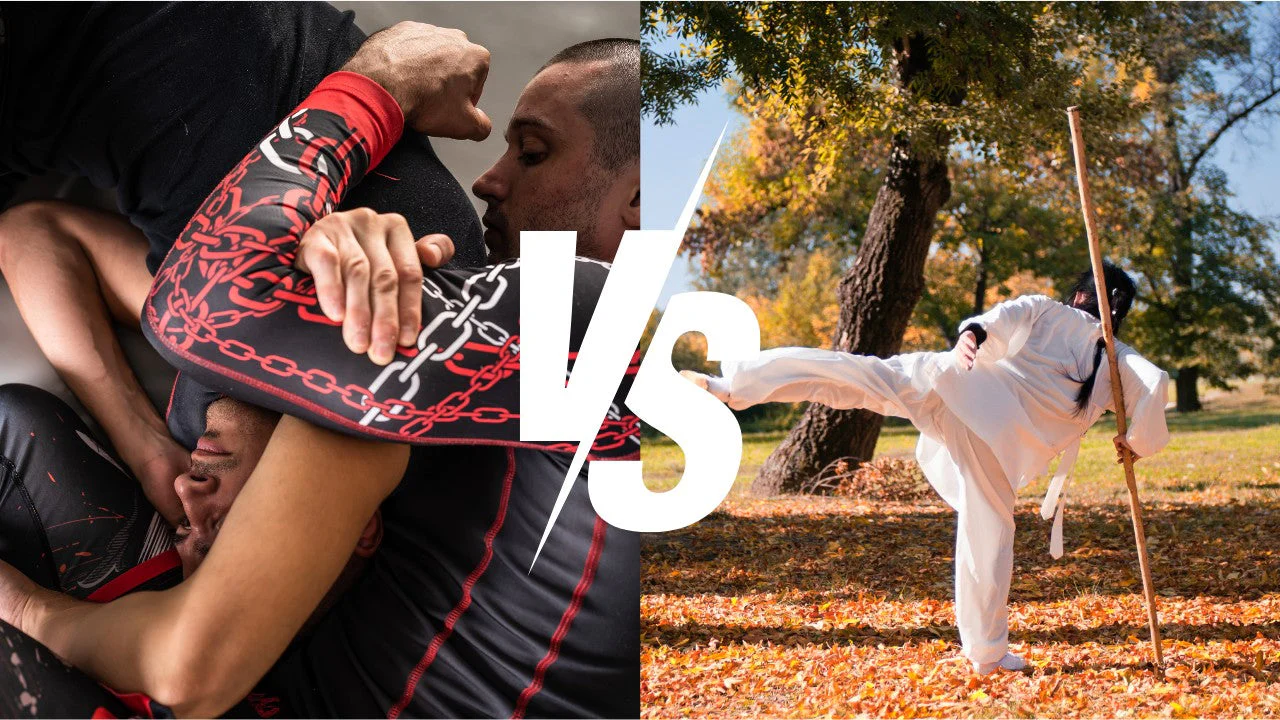
BJJ vs. Kung Fu: Which Should You Train?
BJJ and Kung Fu train for combat in almost opposite ways. One tests everything live against a resisting partner. The other leans on forms and tradition — and that difference matters more than most comparisons admit.

BJJ vs. Wrestling: Which Should You Train?
BJJ finishes fights with submissions. Wrestling wins them with pins and control. Here is how the two arts actually differ, and why the best grapplers eventually train both.
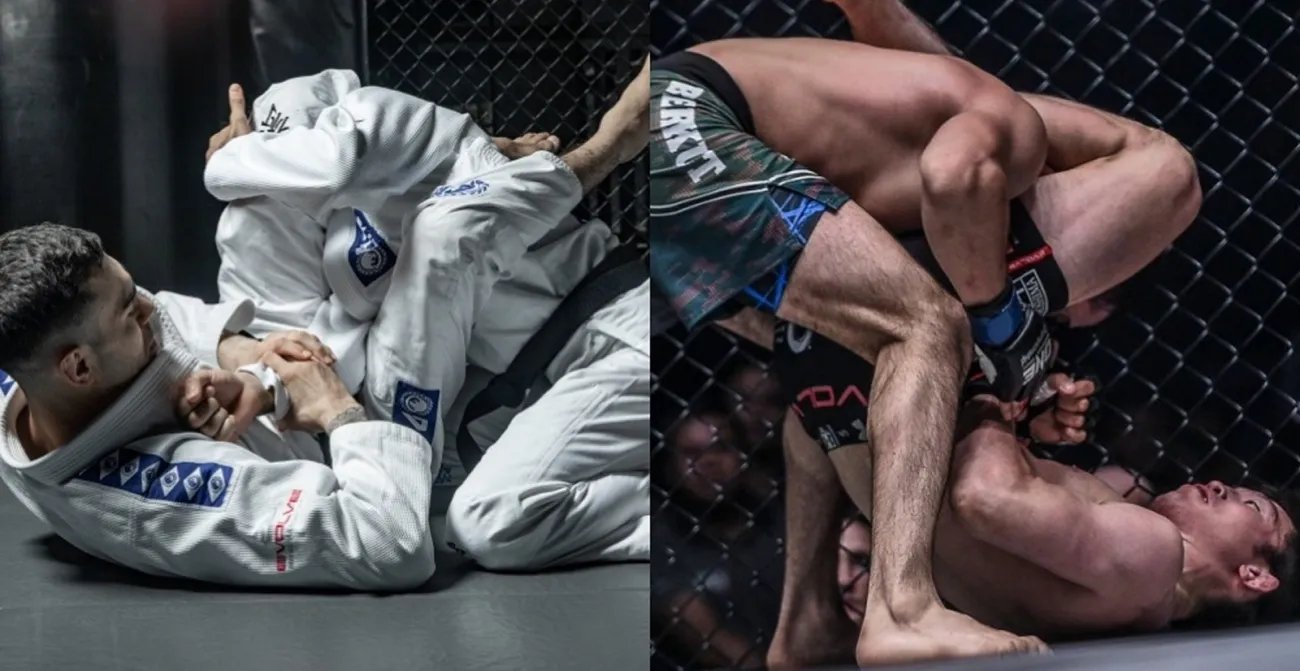
Is Brazilian Jiu-Jitsu the Same as MMA?
BJJ and MMA get used interchangeably in casual conversation, but they are not the same thing. Here is exactly how they relate to each other.
BJJ
BJJ vs Muay Thai: Which Martial Art Should You Train?
BJJ and Muay Thai sit at opposite ends of a fight — one on the ground, one standing. Both are pressure-tested and both work. The right choice depends on your goals.
BJJ
BJJ vs Judo: Key Differences and Which to Train
BJJ and Judo share a root and a uniform, but they reward opposite things. Judo lives in the throw. BJJ lives on the ground. That split shapes everything about how they train.
BJJ
BJJ vs Other Martial Arts: How Brazilian Jiu-Jitsu Compares
How does BJJ actually compare to the other major martial arts? This is the overview — the short version of each matchup, and links to the full breakdowns.
BJJ
BJJ vs Boxing: Which Martial Art Should You Train?
Boxing has the best hands in combat sports. BJJ removes the fight from the range where hands decide it. Both are pressure-tested — the right pick is about goals.
BJJ
BJJ vs Karate: An Honest Comparison
BJJ vs Karate is really a question about training method. A full-contact karate school and a forms-first one are barely the same activity — and that gap decides the comparison.
BJJ
BJJ vs Krav Maga for Self-Defense: Which to Train?
Krav Maga trains scenarios — weapons, multiple attackers, escapes. BJJ trains one range deeply and tests it live every session. They solve different parts of the same problem.