
On This Page
Editorial Standards
Reviewed by the BJJ Sportswear Editorial Team for technical accuracy and kept current.
Berimbolo: 4 Steps to Master This Sweep
The berimbolo looks acrobatic. Underneath the flash, it is a leverage and timing problem with a clean four-step solution.
What the Berimbolo Is
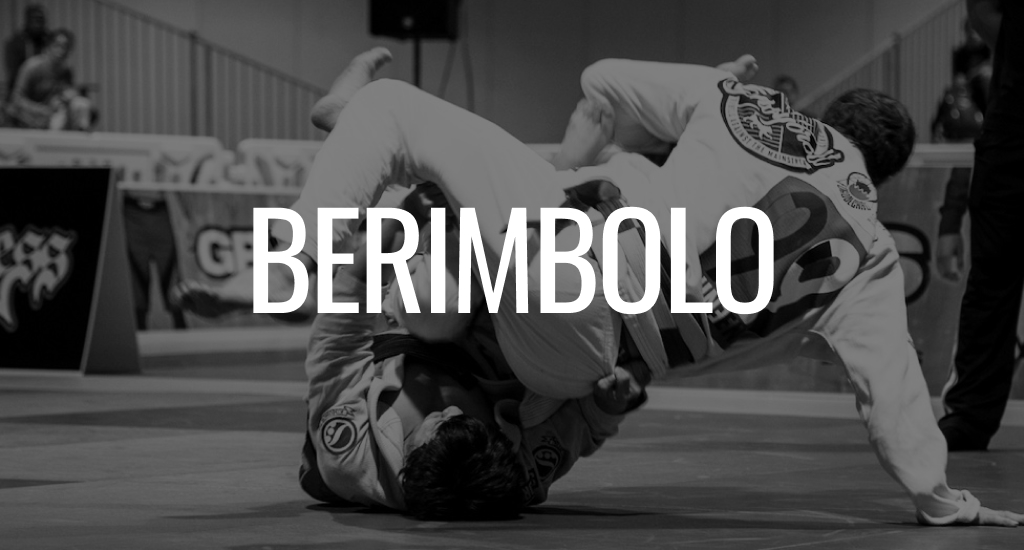
The berimbolo is an inverted sweep that ends with you taking your opponent's back. You spin underneath them from de la riva guard, roll through, and come up behind them. It looks acrobatic. Underneath the flash, it's a leverage and timing problem.
The Miyao brothers and Mendes brothers made it a competition staple in the 2010s.
The Four Steps
- Establish de la riva guard with a strong ankle grip.
- Pull them forward and drop your shoulders to the mat.
- Invert, spinning your hips under their base.
- Come up behind them and secure the back.

Why It Works
When you invert, your opponent's base sits above you with nothing to post on. Their instinct is to step over your body. That step is exactly what feeds you their back.
Who Should Learn It
The berimbolo asks a lot from your hips and spine. Most academies teach it at blue belt and above. Younger, more flexible grapplers pick it up faster, but the mechanics work at any age with patient drilling.
Common Mistakes
- Inverting before breaking their posture, so they stay based and heavy.
- Losing the ankle grip mid-rotation, which ends the sweep instantly.
- Spinning too slowly, giving them time to step over and flatten you.
Our de la riva guide covers the guard this starts from. Our crab ride guide covers where you often land when they defend.
Tagged with:#berimbolo#back take#de la riva#competition
Frequently Asked Questions
Do I need to be flexible to do the berimbolo?
It helps, since the move requires inverting onto your shoulders. But the mechanics work at any age with patient drilling. Start slowly and build the range of motion gradually.
What belt should learn the berimbolo?
Most academies introduce it at blue belt and above. It depends on solid de la riva guard and comfortable inversion, both of which take time to develop.
Does the berimbolo work in no-gi?
Yes, and it appears constantly in no-gi competition. Hand and ankle control replace the sleeve grip, but the inversion mechanics are identical.
Is the berimbolo legal in IBJJF competition?
Yes. It is a sweep and back-take sequence rather than a submission, so it carries no belt restriction, though the inversion needed takes time to build safely.
Sources & Further Reading
About the Author
Mohsin AyubBJJ practitioner, 6 years — Gracie Barra
Founder & Editor, BJJ Sportswear
Mohsin has trained Brazilian Jiu-Jitsu for six years at Gracie Barra and has competed at IBJJF-affiliated tournaments. He writes about competition, gear, and athlete careers, and founded BJJ Sportswear to help grapplers find equipment and information they can trust.
- Six years training Brazilian Jiu-Jitsu at Gracie Barra
- Competed at IBJJF-affiliated tournaments
- Writes on BJJ competition, gear testing, and athlete careers
This article was last reviewed and updated on 2026-08-01.