By BJJ Sportswear Editorial Team
Reviewed by competitive black belts specializing in modern guard systems | Last Updated: January 9, 2026
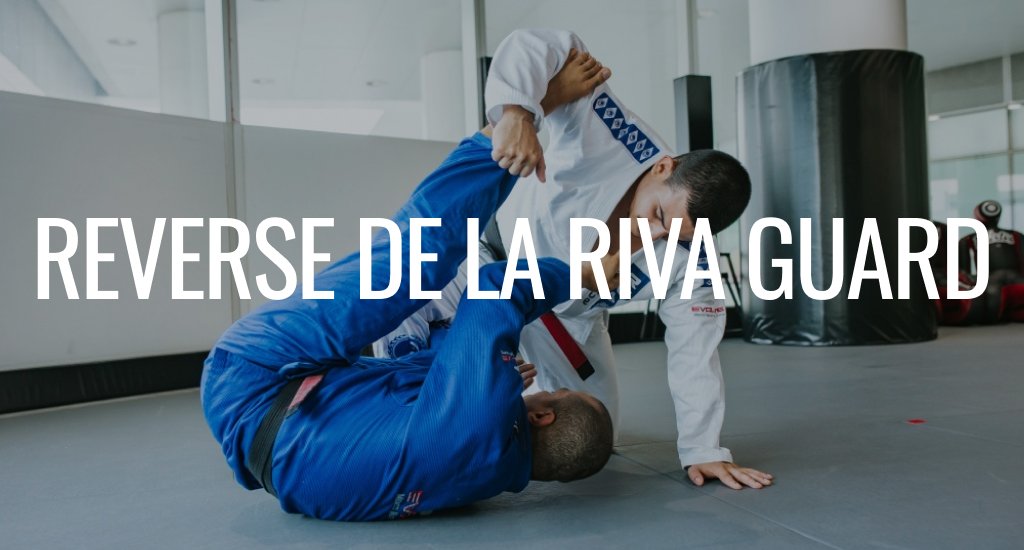
The Reverse De La Riva guard (RDLR) represents one of Brazilian Jiu-Jitsu’s most significant positional innovations—a guard variation that transformed defensive guard retention into offensive dominance. While the De La Riva guard revolutionized bottom game with its outside hook, RDLR flipped the script with an inside hook that counters aggressive passing attempts in ways the original DLR cannot.
According to Digitsu’s RDLR fundamentals breakdown, this position stands out as an innovative guard designed specifically to counter aggressive passers, whether you’re rolling in gi or no-gi. The inside leg hook creates unique leverage opportunities that disrupt common passing sequences like knee slice, leg drag, and toreando passes.
After coaching hundreds of students through RDLR development and using it extensively in competition, I’ve found it’s often easier to learn than traditional DLR because the inside hook feels more intuitive. Yet despite this accessibility, RDLR remains underutilized by intermediate practitioners who haven’t discovered its strategic advantages.
Whether you’re a blue belt building guard retention skills or a purple belt developing competition-level sweeping systems, understanding RDLR mechanics provides defensive insurance against aggressive passers and offensive pathways to dominant positions.

Table of Contents
What Is the Reverse De La Riva Guard?
The Reverse De La Riva guard occurs when the bottom player uses an inside hook around the opponent’s leg—your left leg hooking inside their left leg, or vice versa—while maintaining grips and using the free leg to manage distance and create angles.
Core RDLR Elements:
- Inside hook (opposite of traditional DLR’s outside hook)
- Hook wraps around inside of opponent’s thigh
- Foot connects to opponent’s hip or thigh
- Creates barrier preventing forward pressure
- Free leg posts, frames, or attacks
The inside hook makes RDLR fundamentally different from its namesake position. While traditional DLR excels at off-balancing and creating back-taking opportunities through inversion, RDLR specializes in guard retention against aggressive passers who’ve developed DLR counters.
Understanding what is guard in BJJ provides context for why guard variations matter—different hooks and configurations counter different passing strategies.

The Evolution: From DLR Defense to Standalone System
The Problem That Created RDLR
As the De La Riva guard became ubiquitous in competition during the late 1990s and early 2000s, elite guard passers developed systematic counters:
Common DLR Counters:
- Backstep pass (stepping away from the hook)
- Knee slice (driving through the guard)
- Leg weave (threading leg through the hook)
- Pressure passes (smashing the guard player flat)
These counters created a problem: DLR players needed answers when opponents neutralized the outside hook. The solution emerged organically from the position itself.
The Natural Transition
BJJ Fanatics’ analysis by Lachlan Giles explains that RDLR often appears when passers defend traditional DLR:
“A great time to implement the RDLR and work the inversion is when the passer is responding to a traditional De La Riva guard. In most cases, the passer will want to step over your free foot and sit on it to combat the De La Riva guard. As this occurs, the top player basically puts themselves into your reverse De La Riva.”
The position emerged from necessity—when your opponent steps over your free leg to counter DLR, they inadvertently give you RDLR. What started as defensive adjustment became offensive weapon.
Caio Terra: The RDLR Pioneer
While multiple practitioners experimented with inside hooks, Caio Terra is most frequently credited with systematizing RDLR as a complete positional system rather than just a transitional guard.
Caio Terra’s Contributions:
- Multiple-time world champion (roosterweight division)
- Developed comprehensive RDLR sweeping sequences
- Created instructional content demonstrating RDLR systems
- Proved effectiveness against elite-level competition
- Showed how RDLR chains with other modern guards
Terra’s influence made RDLR a fundamental part of lightweight competition strategy. His technical precision and ability to sweep much larger opponents demonstrated the position’s mechanical advantages.
Modern RDLR Champions
Contemporary competitors who built games around RDLR include:
Elite RDLR Practitioners:
- Lachlan Giles – ADCC competitor and instructor known for analytical RDLR approach
- Dante Leon – Rising star with dynamic RDLR-based guard game
- Leandro Lo – Legendary competitor who used RDLR inversion variations
- Multiple lightweight champions – RDLR appears in virtually every elite lightweight’s game
The position evolved from DLR counter to essential guard variation that works across weight classes, rule sets, and skill levels.

Why RDLR Works: Mechanical Advantages
The Inside Hook’s Unique Properties
The RDLR inside hook creates mechanical problems distinct from traditional DLR:
Structural Benefits:
- Distance management – Hook acts as barrier preventing forward pressure
- Base disruption – Inside position compromises their stance differently than outside hook
- Leverage creation – Thigh contact provides pushing/pulling fulcrum
- Passing prevention – Makes knee slice, leg drag, and toreando more difficult
- Transition platform – Connects seamlessly to X-guard, single leg X, and inversion
Digitsu’s mechanical analysis emphasizes that the hook “acts as a barrier to retain distance and acts as a springboard for transitions.”
I tell students: if DLR is a battering ram (aggressive offense), RDLR is a shield wall (defensive structure that creates counter-attacks). Both work, but they solve different problems.
Counter to Common Passing Sequences
RDLR specifically neutralizes passes that beat traditional open guards:
Against Knee Slice Pass
- Inside hook blocks the slicing knee’s path
- Creates frame preventing forward pressure
- Transitions to kiss of the dragon or inversion
- Or sweeps using their committed momentum
Against Leg Drag Pass
- Hook prevents them from controlling and dragging your leg
- Free leg frames on their shoulder or hip
- Transitions to single leg X or back take
- Or executes tripod sweep when they over-commit
Against Toreando/Bullfighting Pass
- Inside hook creates connection they must break before passing
- Free leg posts on hips preventing them throwing your legs
- Transitions to De La X or standard DLR
- Creates distance to recover guard when pressured
This defensive utility explains why RDLR appears so frequently in high-level competition—it’s insurance against aggressive passing.
Versatility Across Contexts
RDLR works in multiple grappling contexts:
Gi Competition:
- Ankle/pant grips enhance control
- Collar/lapel grips create drag and off-balancing
- Works across all weight classes
- Chains seamlessly with gi-specific guards
No-Gi and MMA:
- Ankle control replaces pant grips
- Underhooks provide sweeping leverage
- Faster pace rewards RDLR’s defensive qualities
- Works despite striking threats (better than inverted positions)
Submission-Only vs. Points:
- Points: sweeps score, guard retention prevents opponent points
- Sub-only: transitions to leg locks and back attacks
- Both formats reward RDLR’s positional control
Understanding how the crab ride and the truck connect to RDLR back-taking systems shows modern back attack evolution.
Core RDLR Mechanics and Setup
Establishing the RDLR Hook
The foundation is the inside hook configuration:
Proper Hook Mechanics
- Inside leg (left leg for their left leg) wraps around inside of their thigh
- Your shin/calf contacts inside of their thigh
- Foot connects to their far hip
- Hook creates barrier preventing forward movement
- Constant pulling action maintains connection
Critical Detail: The hook must be active, not passive. Pull their leg toward your centerline while pushing their hip away with your foot—this creates the structural tension that makes RDLR work.
Standard RDLR Configuration
Classic RDLR positioning:
Essential Elements
- RDLR hook on their lead leg (inside position)
- Free leg posted on their opposite hip, shoulder, or bicep
- Same-side hand grips their ankle or pant leg
- Opposite hand controls sleeve, collar, or creates frames
- Hips mobile and ready to adjust angles
Posture Requirement: RDLR works best when opponent is in squatting/combat base position. If they’re standing upright, the hook has less effectiveness—transition to standing guard variations instead.
Grip Strategy
Grips determine RDLR effectiveness:
Gi Grip Priorities
1. Ankle/pant grip (same side as hook): Prevents them creating distance
2. Sleeve grip (opposite hand): Stops posting and controls their upper body
3. Collar grip: Alternative to sleeve for dragging and off-balancing
4. Belt grip: Works for certain sweep variations
No-Gi Adaptations
- Ankle control (essential—grip firmly around ankle bone)
- Wrist control replaces sleeve grips
- Underhooks when available for sweeping power
- Head control for certain submissions
In my experience, blue belts often establish the hook correctly but neglect ankle control. Without ankle grip, opponents create distance and kill your RDLR before you can attack.

Hip Positioning and Movement
Static RDLR gets passed—dynamic RDLR sweeps:
Active Hip Management
- Angle your hips away from centerline (don’t stay directly in front)
- Elevate hips when executing sweeps
- Keep shoulders off mat (prevents getting flattened)
- Circle around opponent using hook as pivot point
- Create momentum through movement, not strength
One purple belt told me RDLR “clicked” when he stopped thinking of it as a holding position and started using it as a launching pad. That shift in mindset transformed his guard game.
Essential RDLR Techniques and Sweeps
1. Tripod Sweep (Most Fundamental)
The highest-percentage RDLR sweep for beginners:
Step-by-Step Execution
- Establish RDLR with ankle and sleeve grips
- Post free leg on opponent’s far shoulder/bicep (creates tripod)
- Pull ankle grip toward you while pushing shoulder away
- Drive opponent backward over their compromised base
- Follow through to top position
Why It Works: You’re attacking their base from opposite directions simultaneously—their only option is falling backward.
Common Mistake: Not posting high enough on their shoulder. Post on their hip and they can base out. Post on their shoulder and they topple.
2. Tumbling/Roll-Over Sweep
When opponent pressures forward into RDLR:
Execution Sequence
- Establish RDLR with collar or belt grip
- As they pressure forward, pull collar/belt aggressively
- Extend RDLR hook while lifting with free leg
- Roll them over you (like tomahawk sweep)
- Land in mount or top position
Tactical Application: Use their forward pressure against them. The harder they drive, the easier this sweep becomes.
I’ve hit this sweep on much larger opponents because physics beats strength—their momentum does the work.
3. Kiss of the Dragon
Inversion-based back take:
Mechanics
- From RDLR, angle hips toward their far side
- Invert underneath their body (shoulder to mat)
- Roll completely under their legs
- Emerge behind them with back exposure
- Secure seat belt grip and hooks
Advanced Note: This technique appears in both RDLR and traditional DLR, but RDLR’s inside hook position sometimes creates better inversion angles against certain passing styles.
Understanding berimbolo techniques helps with kiss of the dragon timing since both use similar inversion mechanics.
4. Single Leg X Transition
Converting RDLR to single leg X guard:
Transition Sequence
- From RDLR position with ankle control
- Free leg switches from posting to hooking their ankle
- Creates single leg X configuration
- Execute single leg X sweeps or transitions
- Or transition to leg locks (no-gi)
Strategic Value: When RDLR sweeps aren’t available, single leg X provides alternative attacking platform without abandoning the position.
5. Waiter Sweep
Dealing with opponent who stays upright:
Setup and Execution
- RDLR hook established with collar grip
- Free leg pushes their far hip away
- Pull collar while extending hook
- Sit up as they fall backward
- Come up to top position or take back
Competition Application: Works when opponent refuses to engage, staying too upright for traditional RDLR sweeps.
6. Back Take Through Inversion
Lachlan Giles’ RDLR inversion system popularized this approach:
Inversion Mechanics
- RDLR established with collar/belt grip
- Ankle control on hooked leg
- Invert underneath opponent when they pressure
- Spin to their back using collar grip for control
- Establish hooks and attack rear naked choke
Critical Detail: Lead with your knee during inversion and keep it below their hip level—this prevents leg locks and toe holds.

RDLR Variations and Entry Systems
From Traditional DLR
The natural transition point:
Leandro Lo Variation
- Playing standard DLR guard
- Opponent steps over your free leg (DLR counter)
- Cross your feet and kick them forward
- They post hands to mat
- Immediately execute RDLR inversion or sweep
Strategic Insight: This transition makes DLR and RDLR function as single system rather than separate positions. Chain them together for complete guard game.
From Seated Guard
Double guard pull situations:
Setup Process
- Both competitors seated
- Establish inside hook on opponent’s lead leg
- Immediately secure ankle grip
- Use free leg to create distance or break their grips
- Execute RDLR attacks as they try to pass
This entry appears constantly in lightweight gi competition where double guard pulls dominate.
From Failed Guard Recovery
When your guard is being passed:
Defensive RDLR Entry
- Opponent executing knee slice or leg drag
- Shoot inside hook on their passing leg
- Establish ankle grip while framing with free leg
- Recover full RDLR structure
- Counter-sweep or transition
I’ve saved countless guard passes this way. RDLR works as emergency brake when traditional guard retention fails.
RDLR to X-Guard
Powerful combination:
Transition Mechanics
- RDLR established with both hooks active
- Free leg switches from posting to creating X configuration
- Both legs now control single opponent leg
- Execute X-guard sweeps or back takes
- Or return to RDLR if they counter
Understanding how closed guard concepts differ from open guards like RDLR helps beginners appreciate why multiple guard positions matter.
RDLR Defense and Guard Passing
Passing RDLR: Top Player Perspective
Understanding RDLR passing makes your RDLR guard better:
Backstep Pass
- Control their hooking leg at the ankle
- Create pressure on their thigh to flatten hook
- Backstep with hooked leg while maintaining posture
- Circle away from their body
- Complete pass to side control
Counter for Guard Player: Extend hook maximally and follow their movement, converting to single leg X or standard DLR.
Knee Slice Pass
- Establish strong posture (don’t let them flatten you)
- Grip their collar and far sleeve
- Drive knee through their guard (slice motion)
- Maintain heavy pressure while sliding through
- Secure side control
Counter for Guard Player: Use hook to disturb their base, establish underhook, or invert underneath for back take.
Leg Drag Pass
- Grip their hooking leg’s pant/ankle
- Drag it across your body (away from their centerline)
- Maintain strong posture
- Complete pass while controlling the leg
- Take side control or back
Counter for Guard Player: Retain ankle control on their far leg, follow their movement, transition to different guard variation.
Defending RDLR Attacks
When someone plays RDLR against you:
Preventative Measures
- Don’t let them establish ankle control
- Break their grips immediately when established
- Maintain upright posture (don’t get pulled down)
- Keep weight distributed properly
- Never allow them to flatten you
Counter-Attacking
- Smash passes work if you can flatten them
- Leg drags bypass the hook entirely
- Backsteps remove the hook’s effectiveness
- Pressure passes make inversions dangerous for them
I teach students: the best RDLR defense is preventing establishment. Once it’s locked in, passing becomes significantly harder.
Training RDLR by Skill Level
For Blue Belts: Building Foundations
Blue belts should establish RDLR basics before advanced variations:
Beginner Priorities
- Learn proper inside hook mechanics
- Master tripod sweep (highest percentage)
- Develop ankle grip obsession (never let go)
- Practice RDLR entries from common positions
- Study when RDLR works vs. when other guards are better
Resources about first BJJ class expectations help beginners understand guard development timelines.
Training Tip: Drill RDLR → DLR → RDLR transitions until they’re automatic. These positions work as system, not isolation.
For Purple Belts: System Development
Purple belts develop complete RDLR attacking systems:
Intermediate Development
- Master all major RDLR sweeps (tripod, tumbling, waiter)
- Study inversion mechanics safely
- Learn to chain RDLR with single leg X and X-guard
- Develop kiss of the dragon entries
- Practice RDLR passing to understand vulnerabilities
Exploring blue belt development goals helps structure RDLR integration during this phase.
For Brown/Black Belts: Specialization
Advanced practitioners refine details and create signature systems:
Advanced Refinements
- Develop personalized RDLR based on body type and style
- Study elite practitioners (Caio Terra, Lachlan Giles, Dante Leon)
- Create counter-strategies for all modern passing systems
- Perfect timing on inversions and back takes
- Master seamless transitions between all guard variations
- Develop leg lock entries from RDLR (no-gi)
At this level, your RDLR should have signature elements that reflect your game. My RDLR emphasizes kiss of the dragon and back takes. My training partner’s focuses on tripod sweeps to leg drags. Both approaches work.
Competition Strategy and Applications
IBJJF Gi Competition
RDLR’s natural competitive environment:
Strategic Advantages
- Guard retention prevents opponent’s 3 points for passing
- Sweeps score 2 points
- Back takes from RDLR score 4 points
- Works across all weight divisions
- Gi grips enhance control significantly
Competition Reality: Elite lightweights use RDLR as insurance policy—when DLR gets countered, RDLR provides backup plan.
No-Gi and ADCC
RDLR appears frequently in no-gi:
No-Gi Modifications
- Ankle control becomes absolutely essential
- Faster transitions required
- Leg lock entries more available
- Works well with wrestling-based styles
- Still effective despite fewer grips
Lachlan Giles demonstrated RDLR effectiveness at ADCC, using analytical approach to systematize the position for no-gi competition.
MMA and Self-Defense
RDLR has limited but real MMA application:
MMA Considerations
- Better than inverted guards (less striking vulnerability)
- Works for creating distance and standing up
- Sweeps lead to top position
- Guard retention prevents ground-and-pound
- Must modify for striking threats
Self-Defense: More applicable than berimbolo or inverted positions, but still inferior to standing up quickly. Use RDLR to create space, then disengage.
Common RDLR Mistakes
Passive Hook
Hook exists but doesn’t actively control:
The Problem
- Opponent easily removes inactive hook
- No base disruption
- Position becomes uncomfortable leg placement without function
The Solution
- Pull their leg toward centerline constantly
- Push their hip away with your foot
- Create active tension through hook
- Think of hook as steering wheel, not decoration
No Ankle Control
Allowing opponent free leg movement:
Result
- They create distance
- Hook becomes ineffective
- RDLR collapses before you can attack
Fix
- Grip ankle BEFORE establishing full RDLR
- Never release ankle grip
- If grip breaks, immediately re-establish or transition
This is the #1 blue belt mistake I see. They get the hook right but ignore ankle control.
Staying Flat
Letting opponent flatten your shoulders to mat:
Issue
- Kills your mobility
- Makes sweeps impossible
- Opens you to smash passes
Correction
- Keep shoulders off mat
- Maintain active hips
- Angle body away from center
- Move constantly—don’t stay static
Wrong Guard for Wrong Situation
Using RDLR when other guards work better:
Problem
- Forcing RDLR against standing opponents (use standing guards instead)
- Using RDLR when DLR has better angle
- Fighting for lost positions
Better Approach
- Recognize when RDLR works optimally
- Transition fluidly between guard variations
- Accept that no single guard solves every problem
Elite competitors chain multiple guards together. RDLR is one tool in complete guard system.
The RDLR Legacy: Defensive Innovation Becomes Offensive Weapon
From emergency DLR counter to systematic guard position, Reverse De La Riva guard represents modern BJJ’s evolution toward specialized positional solutions for specific tactical problems.
What began as defensive adjustment when opponents countered traditional DLR became a complete positional system championed by world-class competitors like Caio Terra, Lachlan Giles, and Dante Leon. The inside hook that was initially just “the other way to hook” proved to have unique mechanical properties that counter aggressive passing in ways the original DLR cannot.
RDLR’s greatest strength lies in its versatility—it works as standalone guard, as DLR complement, as passing defense, and as platform for modern guard transitions. Whether you’re blue belt learning guard retention or black belt perfecting competition systems, RDLR provides defensive insurance and offensive pathways that function across weight classes, rule sets, and skill levels.
The position demonstrates a fundamental BJJ truth: innovation often comes from necessity. When aggressive passers developed DLR counters, guard players responded with RDLR. When passers develop RDLR counters, guard players will evolve again. This ongoing tactical dialogue drives technical development forward.
Mastering RDLR fundamentals creates foundation for exploring complete modern guard systems—from De La Riva guard to berimbolo inversions to single leg X variations that define contemporary competition.
How We Reviewed This Article
Editorial Standards: Technical information verified through instructional content from black belt specialists including Lachlan Giles, Caio Terra, and contemporary RDLR practitioners. Mechanical analysis reviewed by competitive black belts who use RDLR in tournament settings. Strategic applications based on IBJJF, ADCC, and no-gi competition footage analysis.
Sources Referenced:
- Digitsu RDLR fundamentals technical breakdown
- Lachlan Giles RDLR inversion instructional content
- Caio Terra RDLR sweeping systems
- BJJ Fanatics technical analysis
- Contemporary competition footage (2015-2025)
- ADCC and IBJJF world championship applications
Last Updated: January 9, 2026