
On This Page
Editorial Standards
Reviewed by the BJJ Sportswear Editorial Team for technical accuracy and kept current.
Reverse De La Riva Guard: Kiss of the Dragon & Knee Slice Defence
The Reverse De La Riva is the shield that keeps you safe when the De La Riva guard fails. Here is the hook mechanics, the signature back take, and the fixes for common leaks.
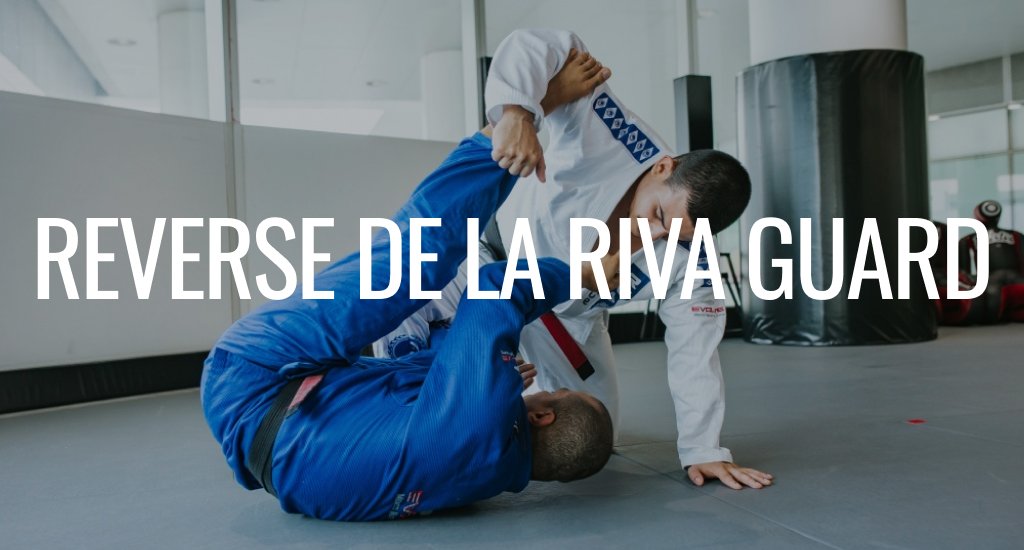
If you play open guard and keep getting your knee smashed by the knee slice pass, the Reverse De La Riva is the fix. It puts your shin directly in the path of the pass, so instead of getting flattened you get a hook, a frame, and a way out.
In modern jiu-jitsu, the knee slice is the most common way opponents pass the guard. If you have no answer for it, you get passed, over and over. The Reverse De La Riva gives you that answer. It places a physical barrier between you and the passer, lets you slow them down, off-balance them, and spin underneath to take their back.
This guide covers the mechanics of the RDLR, the signature "Kiss of the Dragon" back take, and how to use the position to stop heavy passers cold.
What Is the Reverse De La Riva Guard?
The Reverse De La Riva is an open guard variation where an inside hook controls the opponent's lead leg.
- The hook. Instead of wrapping your leg around the outside the way normal De La Riva does, your outside leg goes under their leg and hooks behind their knee from the inside.
- The frame. Your inside hand reinforces your knee, building a strong structure that stops them from smashing your legs together.
- The goal. Keep the opponent's knee off the mat so they cannot complete the knee slice, and create enough distance to work.
The RDLR is structurally built to counter the knee cut, because your shin lines up directly against their passing angle. Instructors like Lachlan Giles teach it as the default answer to a knee-slice-heavy passer for exactly this reason.
When to Use RDLR vs. DLR
Think of the two guards as partners, not competitors.
- Use De La Riva when the opponent is standing square or pulling away from you. You are the aggressor here, working to break their posture and set up sweeps.
- Use Reverse De La Riva when the opponent steps in close or tries to cut their knee across your body. You are the defender here, and the hook buys you the time and space to respond.
Top 3 Reverse De La Riva Attacks
The RDLR is a defensive guard first, but it also opens some of the most spectacular attacks in the sport.
1. The Kiss of the Dragon (Back Take)
This is the signature move of the position, and the reason so many competitors learn RDLR in the first place.
- Invert. Spin upside down, rotating underneath the opponent's legs.
- Grip. Grab their pants or belt to pull yourself through the gap.
- Result. You pop out behind them into the Crab Ride, or land directly on their back.
2. The Tripod Sweep Transition
If the opponent pulls back to stop your inversion, switch attacks instead of fighting the same door twice.
- Switch. Release your RDLR hook and plant that foot on their hip.
- Hook. Catch their other ankle with your free hand.
- Push and pull. Push their hip while pulling their ankle to topple them backward.
3. The Wrestle Up
If the opponent postures up high to avoid your hooks, take the takedown that's sitting right in front of you.
Retract your bottom leg, plant your hand on the mat, and drive forward into a single leg takedown. This works because a defender who postures tall to escape your hooks has already given up their base.
Common Mistakes and Troubleshooting
Mistake 1: Letting the Knee Collapse
If your RDLR knee points at the ceiling instead of out to the side, your opponent can smash it flat and pass anyway.
The fix: Flare your knee outward toward their hip, and use your hand to support it if your hip flexors start to fatigue.
Mistake 2: Not Controlling the Distance
If you never use your free leg as a shield to push on their shoulder or hip, they will close the gap and hug your head.
The fix: Keep your free foot active at all times, pressed into their chest, shoulder, or hip.
Mistake 3: Staying There Too Long
RDLR is a transition point, not a place to camp out. The longer you sit still, the more time you give a good passer to solve the puzzle.
The fix: Spin underneath for the Kiss of the Dragon, switch back to regular De La Riva, or push them away and reset.
Frequently Asked Questions
Is RDLR mostly for flexible people?
Inverting helps, but you don't need to be a yoga master to use this guard. The Tripod Sweep option requires zero flexibility, so a stiffer athlete can still build a complete RDLR game.
Can I use it in no-gi?
Yes. Without a collar to grab, you rely more on cupping the heel and using knee shield frames to control distance and off-balance the passer.
How do I stop them from grabbing my head?
Frame against their shoulder with your free hand or foot before they close the distance. Once they land the cross face, the RDLR hook stops doing its job.
Conclusion
The Reverse De La Riva Guard is your emergency brake against the pass that beats most guards in modern jiu-jitsu. When a heavy passer tries to slice through, the RDLR stops them cold and hands you a back take in return. Master the transition between DLR and RDLR, and passers run out of angles.
Tagged with:#reverse de la riva#open guard#guard retention#back takes#gi#no-gi
Frequently Asked Questions
What is the Reverse De La Riva guard in BJJ?
An open guard where your outside leg hooks under and behind the opponent's lead knee from the inside, rather than wrapping around the outside like regular De La Riva. It builds a frame that blocks the knee slice pass.
Is Reverse De La Riva good for beginners?
Yes, especially the defensive frame. You do not need to invert to benefit from RDLR; simply holding the hook and shielding with your free leg stops a huge share of passing attempts at any level.
How do I finish the Kiss of the Dragon back take?
Invert underneath your opponent's legs, grab their pants or belt to pull yourself through, and pop out behind them into the Crab Ride or straight onto their back.
Can I use Reverse De La Riva in no-gi?
Yes. Without a collar or pants to grip, rely on cupping the heel and using knee shield style frames to maintain the hook and control distance.
Why does my Reverse De La Riva keep getting passed?
The most common leak is letting the hooking knee point straight up instead of flaring out toward their hip, which lets a passer smash your legs flat. Fix the knee angle first, then add a free-leg frame to control distance.
Sources & Further Reading
About the Author
Mohsin AyubBJJ practitioner, 6 years — Gracie Barra
Founder & Editor, BJJ Sportswear
Mohsin has trained Brazilian Jiu-Jitsu for six years at Gracie Barra and has competed at IBJJF-affiliated tournaments. He writes about competition, gear, and athlete careers, and founded BJJ Sportswear to help grapplers find equipment and information they can trust.
- Six years training Brazilian Jiu-Jitsu at Gracie Barra
- Competed at IBJJF-affiliated tournaments
- Writes on BJJ competition, gear testing, and athlete careers
This article was last reviewed and updated on 2026-08-17.