

Types of BJJ Gis: Complete Guide (2026)
By BJJ Sportswear Editorial Team
Reviewed by competitive black belts specializing in butterfly guard systems and Marcelo Garcia methodology | Last Updated: January 14, 2026
In the world of Brazilian Jiu-Jitsu, your gi is more than just a uniform—it is a specialized piece of performance equipment. Often referred to as a “kimono,” the BJJ gi is a direct descendant of the Japanese judogi, but a century of evolution in Brazil and across the globe has transformed it into a sophisticated tool designed for the specific rigors of ground grappling.
Choosing the right gi requires a deep understanding of textile science, weight classes, and the tactical advantages provided by different weave patterns. Whether you are a BJJ white belt beginning your journey or a seasoned black belt looking for a competitive edge, this guide provides the technical depth needed to master your gear selection.
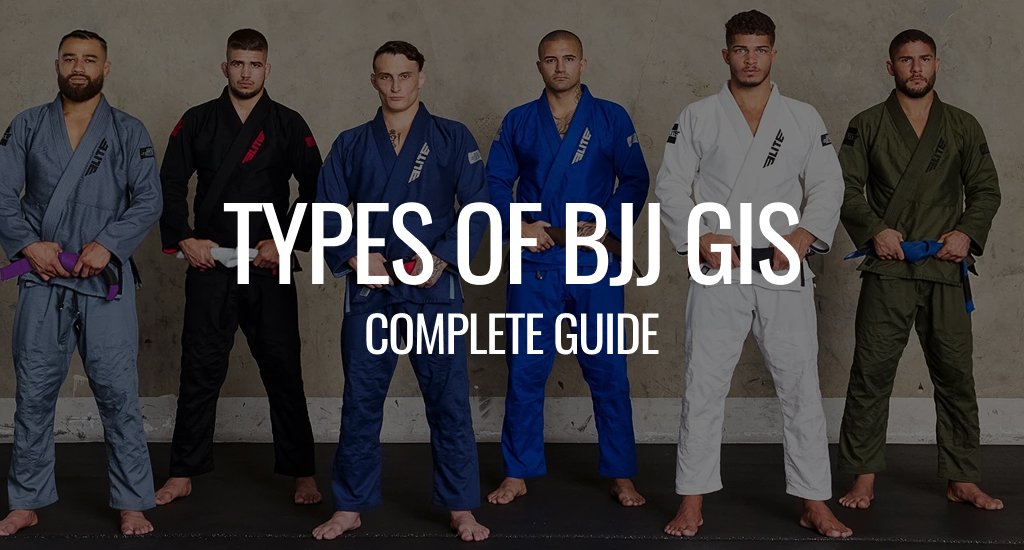
Table of Contents
1. The Anatomy and Evolution of the BJJ Gi
To understand the different types of gis, we must first look at their construction. A modern BJJ gi consists of three primary components: the Uwagi (jacket), the Shitabaki (pants), and the Obi (belt). Unlike the baggy uniforms found in Judo or Karate, a BJJ gi is “tapered.” This means it is cut closer to the body to minimize the amount of fabric an opponent can use for grips, sweeps, and chokes.
The Historical Shift from Judo to BJJ
When Mitsuyo Maeda brought Judo to Brazil in the early 20th century, the practitioners wore traditional heavy cotton uniforms. As Carlos and Helio Gracie adapted these techniques into what we now call Brazilian Jiu-Jitsu, the uniform changed too. The sleeves were shortened to the wrist bone, and the jacket’s “skirt” was shortened to prevent it from being easily pulled out of the belt. Today, the BJJ gi is recognized for its reinforced stress points—triple-stitched seams at the armpits, double-layered knee panels, and rubberized collars—designed to survive thousands of hours of intense pulling and friction.
2. Categorization by Use-Case: From Training to Tournament
The first step in selecting a gi is determining its primary environment. In 2026, the market is divided into four main categories.
A. Beginner & Entry-Level Gis
Beginner gis are designed for those just asking is it hard to learn BJJ. These are usually made from a “Single Weave” or a lightweight “Pearl Weave” (350–450 GSM). They are affordable and prioritize breathability, which is essential for students who haven’t yet conditioned their bodies to the intense heat of a grappling session.
- Best For: Your first 6–12 months of training.
- Durability: Moderate. The collars are often softer, making them easier to choke, but more comfortable for the wearer.
B. Lightweight & Travel Gis
With the rise of “BJJ Tourism,” travel gis have become a staple. These often use ripstop fabric for both the pants and the jacket. They dry in hours rather than days and occupy very little space in a carry-on bag. Brands like Hayabusa have pioneered ultra-lightweight designs that maintain structural integrity despite their lower GSM.
- Pros: Perfect for summer training or “mat hopping” globally.
- Cons: Because the fabric is thin, it is much easier for your opponent to maintain a death-grip on your sleeves.
C. Competition Gis (The “Pro” Armor)
A competition gi is a tactical choice. It must comply with the strict rules of the IBJJF (International Brazilian Jiu-Jitsu Federation). These gis are cut very tight to the body and often use a 450–550 GSM pearl weave. The collars are reinforced with EVA foam, making them stiff and difficult for opponents to wrap their fingers around for a cross-collar choke.
D. Premium & Custom Gis
For those who train 5–6 times a week, a premium gi is an investment. These often feature unique artwork, hemp materials, or gold weaves. They are designed for longevity and comfort, often including interior rashguard linings to prevent “gi burn” on the skin. You can find high-end options from custom BJJ gi providers.
3. The Science of the Weave: Understanding GSM and Patterns
The “weave” is the specific way the cotton threads are interlaced. This determines the texture, thickness, and “gripability” of the jacket. The weight is measured in GSM (Grams per Square Meter).
The Single Weave (350–550 GSM)
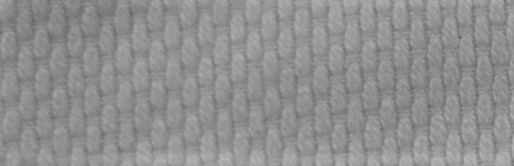
The single weave is the most basic pattern. It uses a single layer of fabric, making it the lightest and most breathable. However, it is also the most prone to stretching and tearing over time. In a high-stakes BJJ rank test or competition, a single weave is often considered a liability because the fabric is so easy to manipulate.
The Double Weave (750–1000 GSM)
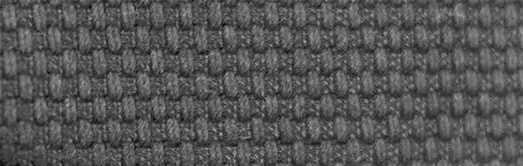
The double weave is a “relic” that is making a comeback among traditionalists. It is essentially two single weaves stitched together. It is incredibly heavy, hot, and stiff. While it is like wearing a suit of armor that is almost impossible to grip, it can significantly hinder your own mobility and speed.
The Pearl Weave (The Modern Standard)
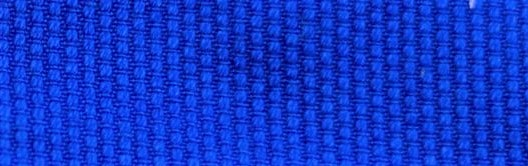
The Pearl Weave is currently the most popular choice for both training and competition. It features small, tightly woven “pearls” on the surface. This structure offers the durability of a double weave but the weight of a single weave. It is highly resistant to shrinking and provides a professional look that holds its shape. It is the recommended standard for everyone from a white belt to a BJJ blue belt.
The Gold Weave (The Hybrid)

Gold weave was the “premium” weave of the early 2000s. It is a hybrid that provides a very soft, “broken-in” feel right out of the box. However, its looser pattern makes it notorious for shrinking. If you buy a gold weave gi, expect it to lose 1–2 inches in the sleeves after the first few washes.
Ripstop and Hemp: The “New Age” Materials
- Ripstop: Originally developed for military use, ripstop uses a grid of thick reinforcement threads. It is virtually impossible to “rip” once a small tear starts.
- Hemp is the “super-fabric” of BJJ. According to textile studies published via PubMed Central, hemp fibers have natural antimicrobial properties. It is 4x stronger than cotton, making it a favorite for eco-conscious grapplers.
4. IBJJF 2026 Competition Requirements
If you plan to compete, you must adhere to the Official IBJJF Uniform Guidelines. As of 2026, the following rules are strictly enforced:
- Colors: Only White, Royal Blue, or Black. You cannot mix colors (e.g., a white jacket with blue pants).
- Sleeve Length: With arms extended forward, the sleeve must reach no further than 2 cm from the wrist bone.
- Collar Thickness: Must be exactly 1.3 cm thick and 5 cm wide.
- Pant Length: Must reach no further than 2 cm above the ankle bone.
- Patches: Can only be placed in specific “safe zones” to ensure they do not interfere with an opponent’s ability to grip the fabric.
- Undergarments: Women must wear a form-fitting rashguard or sports bra. Men are prohibited from wearing shirts under the gi in IBJJF competition.
5. Sizing and the “Art of the Fit”
BJJ sizing does not follow small, medium, or large. Instead, it uses an “A” (Adult) scale based on height and weight.
Standard Adult Men’s Sizing (A0–A5)
- A0: 5’2″ – 5’5″ | 115 – 140 lbs
- A1: 5’5″ – 5’9″ | 140 – 165 lbs
- A2: 5’9″ – 6’0″ | 165 – 195 lbs
- A3: 6’0″ – 6’2″ | 195 – 225 lbs
- A4: 6’2″ – 6’5″ | 225 – 255 lbs
Specialized Fits (L and H)
In 2026, many brands offer “Long” (L) and “Huskie” (H) sizes. If you are 6’2″ but only weigh 170 lbs, an A3 will be too baggy. You would select an A1L or A2L—which offers the width of an A1/A2 but the sleeve and pant length of an A3.
6. Hygiene, Maintenance, and Longevity
A BJJ gi is a hotbed for bacteria if not treated correctly. To prevent skin infections like ringworm and staph, you must follow a strict maintenance protocol.
The Golden Rules of Gi Care:
- Wash Immediately: Never leave a wet gi in your gym bag. This is how “perma-stench” develops.
- Cold Water Only: Unless you intentionally want to shrink your gi, always use cold water.
- Avoid Bleach: Bleach breaks down the cotton fibers. Use vinegar or specialized detergents like those recommended by Sanabul Sports.
- Hang Dry: The high heat of a dryer will destroy the rubberized EVA foam in the collar, causing it to warp and lose its defensive properties.
7. Which Gi Should You Choose?
- For the Beginner: A 450 GSM Pearl Weave gi. It is durable enough to last until your purple belt but light enough to keep you from overheating.
- For the Competitor: A “Competition Fit” lightweight pearl weave (350–400 GSM) to help you make weight without sacrificing sleeve stiffness.
- For the “Garage” Trainer: A hemp gi. Its anti-microbial properties are vital if you are training in less-than-sterile home environments.
Conclusion
Selecting the perfect BJJ gi is a balance of aesthetics, comfort, and tactical utility. By understanding the nuances of weaves like the Pearl and Gold, and respecting the IBJJF standards, you ensure that your gear supports your journey rather than hindering it. Remember, a gi is an investment in your safety and your performance.
How We Reviewed This Article Our editorial team consulted with IBJJF certified referees and black belt instructors with over 20 years of experience. All technical specifications regarding GSM and weave patterns were cross-referenced with leading manufacturers like Shoyoroll, Fuji, and Hayabusa to ensure accuracy for the 2026 season.
Last Updated: January 16, 2026