

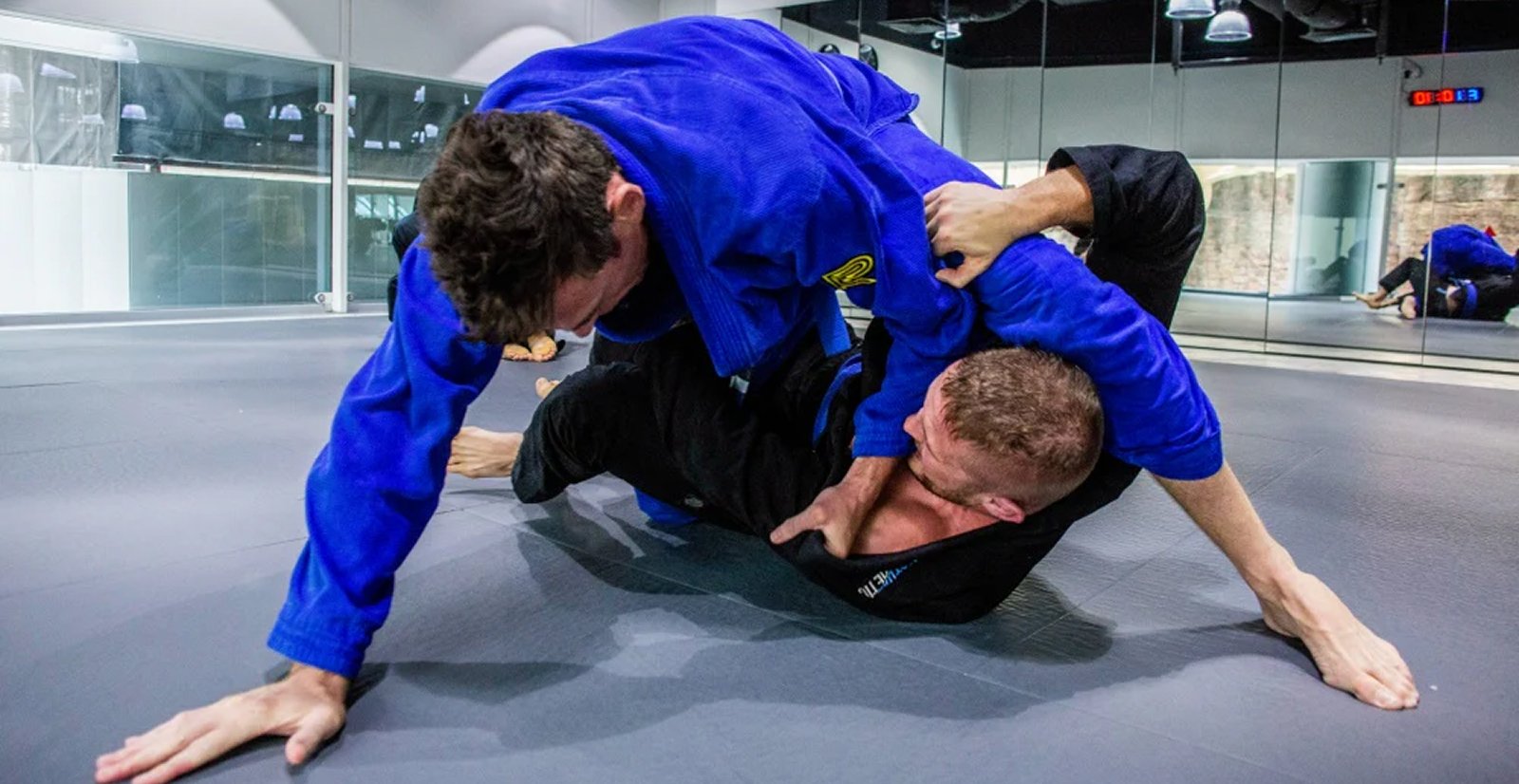
12 Proven Ways to Stay Consistent at Jiu Jitsu
By BJJ Sportswear Editorial Team
Reviewed by long-term practitioners and sports psychologists | Last Updated: January 15, 2026
Staying consistent at Jiu Jitsu requires treating training like non-negotiable appointments by scheduling 3-4 specific days weekly (such as Monday/Wednesday/Friday) and blocking calendar time to eliminate decision fatigue, managing intensity to prevent burnout by training at 70-80% effort rather than 100% every session, establishing sustainable recovery routines including 7-9 hours sleep and post-training stretching to enable long-term participation, finding an accountability partner or training group that creates social commitment making it harder to skip classes, and reconnecting with your original motivation when enthusiasm wanes by remembering “why you started” whether for fitness, self-defense, competition, or personal challenge.
JiuJitsu.com on consistency mindset: “Sticking with jiu jitsu demands a strategic blend of mindset, goal setting, and self-care—this definitely isn’t about short bursts of intense training, this is about crafting a sustainable routine that becomes part of your lifestyle, and there is real truth in the saying ‘A black belt is just a white belt that didn’t quit'”.
Marcus Soares BJJ on consistency importance: “Consistency is important because it allows your body to develop muscle memory making techniques come naturally over time—when you follow a routine you become more familiar with the movements enabling smoother transitions and improved reactions, and staying consistent helps you maintain motivation and avoid frustrating plateaus”.
The primary consistency killers include overtraining leading to physical burnout and injury (training 6-7 days weekly as beginner causes 80% to quit within 6 months), unrealistic expectations creating discouragement when progress feels slow (expecting blue belt in 6 months when average is 2 years), treating training as optional rather than scheduled commitment (going “when I feel like it” results in sporadic attendance averaging once monthly), neglecting recovery through inadequate sleep and nutrition depleting energy reserves needed for sustained effort, and isolation without training partners or community support making it psychologically difficult to maintain motivation through inevitable plateaus and setbacks experienced by all practitioners from white belt through black belt.
This evidence-based guide provides 12 actionable strategies organized by scheduling tactics, intensity management, recovery optimization, psychological resilience, and community leverage specifically designed to help practitioners maintain consistent training through the challenging white belt stripes progression, survive why blue belts quit phase, and achieve long-term success within the BJJ belt system journey.
Table of Contents
1. Schedule Training Like Non-Negotiable Appointments
Treat BJJ Like Work Meetings
Active Jiu Jitsu on scheduling: “Consistency thrives on routine—design a training schedule that aligns with your lifestyle and commitments, determine the days and times that work best for you and commit to them, treating these training sessions as important appointments just like any other commitment in your calendar”.
Why scheduling works:
- Removes daily decision-making (set it once, follow always)
- Creates external commitment (blocked calendar time)
- Builds habit formation (same days/times weekly)
- Transforms training from option to obligation
How to implement:
Step 1: Choose specific days (3-4 weekly):
- Example: Monday 6PM, Wednesday 6PM, Saturday 10AM
- Same days each week (consistency)
- Buffer time before/after (travel, preparation)
- Write in calendar immediately
Step 2: Block calendar:
- Digital calendar (Google, Outlook, Apple)
- Mark as “busy” or “unavailable”
- Set recurring weekly
- Add 30-minute buffer each side
Step 3: Communicate commitment:
- Tell family/friends about schedule
- Set expectations (unavailable during those hours)
- Decline conflicting invitations
- Social accountability created
Reference: Understanding BJJ class structure helps with planning
2. Start with Realistic Frequency (Don’t Overtrain)
The 3-4x Weekly Sweet Spot
Jiu Jitsu Five O on training frequency: “Beginners should start with 1-2 sessions per week providing enough time to learn techniques without overwhelming yourself, intermediate practitioners aim for 3-4 sessions per week balancing skill development with conditioning and recovery, and advanced practitioners train 4-6 times per week focusing on refining techniques and addressing weak areas”.
Optimal frequency by experience:
| Experience Level | Training Days/Week | Why |
|---|---|---|
| Beginner (0-6 months) | 2-3 days | Body adaptation, technique overload prevention |
| Intermediate (6-24 months) | 3-4 days | Skill development, sustainable pace |
| Advanced (2+ years) | 4-5 days | Refinement, competition prep |
| Elite/Professional | 5-6 days | Career requirement, recovery protocols |
Common mistake: Training too much too soon
- Beginners training 5-6x weekly → Burnout in 2-3 months
- Body needs adaptation time (ligaments, tendons, cardio)
- Mental overwhelm (too many techniques)
- Result: 70% quit within 6 months
Smart approach:
- Start 2x weekly for first month
- Increase to 3x after comfort established
- Eventually 4x when body adapted (6+ months)
- Sustainable for years, not months
Reference: Review 30 white belt tips for beginner guidance
3. Train at 70-80% Intensity (Not 100% Every Time)
Manage Your Effort Levels
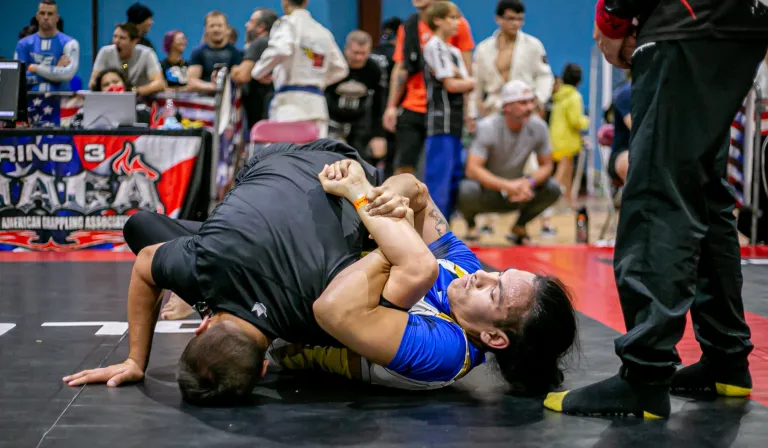
JiuJitsu.com on intensity management: “Manage training intensity—consistency is like a lifestyle, maintain your routine and live accordingly, and if you are tired go to class tired, if you are sore from yesterday’s class go to today’s class sore”.
The 100% effort trap:
- Rolling 100% every session → Exhaustion
- Competing every sparring round → Mental fatigue
- No recovery between sessions → Declining performance
- Result: Dreading next class, skipping sessions
The 70-80% approach:
- Technical days: Focus on drilling, lower intensity rolling
- Hard days: Competition-level sparring (1-2x weekly)
- Flow days: Movement focus, positional work
- Mix intensities throughout week
Weekly intensity structure:
Monday: Technical (70%):
- Drilling emphasis
- Positional sparring
- Technique refinement
Wednesday: Hard (90-100%):
- Competition-level rolling
- Testing new techniques under pressure
- Full effort rounds
Friday: Flow (70%):
- Movement drills
- Light rolling with focus
- Recovery-oriented
Saturday: Moderate (80%):
- Balanced drilling and rolling
- Experiment with new positions
- Social training
Benefits:
- Sustainable energy levels
- Reduced injury risk
- Consistent attendance possible
- Train for years, not months
4. Prioritize Sleep and Recovery
The 7-9 Hour Rule
Reddit r/bjj on recovery: “Create the conditions conducive to staying consistent in bjj—sleep well, don’t eat too much garbage, stretch a lot, strength and conditioning”.
Why sleep matters:
- Muscle repair (training creates damage, sleep heals)
- Technique retention (memory consolidation during sleep)
- Injury prevention (fatigue = poor movement = injuries)
- Can’t train consistently if constantly exhausted
Sleep optimization:
- 7-9 hours nightly (non-negotiable)
- Consistent bedtime (same time daily)
- No screens 30 minutes before bed
- Cool, dark room (optimal sleep environment)
Post-training recovery routine:
- Stretch 10-15 minutes after class
- Protein within 30 minutes (muscle repair)
- Hydrate 16-24 oz water
- Ice sore areas if needed
- Next-day readiness depends on recovery
Reference: Understanding will BJJ build muscle and recovery needs
5. Find an Accountability Partner
The Social Commitment Strategy
Torrent BJJ on accountability: “Find an accountability partner—having someone to train with regularly makes it harder to skip, you’ll motivate each other on tough days, and you can track progress together”.
Why accountability works:
- Social obligation (don’t want to let partner down)
- Mutual motivation (encourage each other)
- Shared journey (celebrate progress together)
- Harder to skip when someone expects you
Finding your accountability partner:
Option 1: Training partner (ideal):
- Same schedule availability
- Similar belt level (relatable struggles)
- Compatible personalities
- Meet for specific classes together
Option 2: Group text/chat:
- Academy training group (WhatsApp, Facebook)
- Check-ins before class
- Motivation on hard days
- Friendly competition (attendance tracking)
Option 3: Coach check-ins:
- Ask instructor to monitor attendance
- Set expectations with coach
- Regular progress conversations
- Professional accountability
Implementation:
- “Hey, want to commit to training Mondays and Wednesdays together?”
- Text each other day before class (confirmation)
- Meet at academy (arrive together)
- Success rate increases 60% with partner
6. Set Process Goals (Not Just Outcome Goals)
Focus on Controllables
Marcus Soares on goal setting: “Setting goals and tracking progress offers a structured approach to improvement—it motivates you and provides a sense of accomplishment with each milestone reached, and set small milestones with achievable goals to keep things exciting”.
Outcome goals (problematic):
- “Get blue belt in 12 months” (not fully in your control)
- “Win tournament” (depends on opponents, luck)
- “Submit purple belt” (requires their cooperation)
- Result: Frustration when not achieved
Process goals (effective):
- “Attend 3 classes weekly” (100% your control)
- “Drill 50 reps per technique” (you decide effort)
- “Ask 2 questions per class” (engagement measure)
- Result: Daily wins, sustainable motivation
Example process goal framework:
Weekly:
- Attend 3 classes (Monday, Wednesday, Friday)
- Complete 10-minute stretching post-training
- Journal one lesson learned per class
Monthly:
- Perfect one technique (triangle choke refinement)
- Roll with 3 different training partners
- Watch 2 instructional videos
Quarterly:
- No missed weeks (12 weeks consistent)
- Compete in one local tournament
- Help one white belt with technique
Celebration when achieved:
- Visual progress (track on calendar)
- Small rewards (new rashguard, private lesson)
- Motivation sustained through small wins
Reference: 5 blue belt goals for progression targets
7. Prepare Night Before (Reduce Friction)
Eliminate Decision Points
Preparation reduces resistance:
- Gi washed and ready (no morning scramble)
- Bag packed (water, towel, rashguard)
- Route planned (know traffic patterns)
- Less friction = easier to go
Night-before checklist:
- Gi washed and hung
- Water bottle filled
- Athletic tape if needed
- Towel packed
- Calendar confirmed (no conflicts)
- Alarm set (if morning class)
- 5 minutes preparation = 30 minutes saved
Morning-of routine:
- Wake → Breakfast → Grab bag → Go
- No decisions needed (autopilot)
- Reduces “should I go?” thoughts
- Show up before brain can argue
Reference: First BJJ class preparation tips
8. Track Your Attendance Visually
The “Don’t Break the Chain” Method
Evolve MMA on consistency habits: “Consistency leads to habits—once a routine is established you can have a more manageable routine, and habits form from routines that also become routine”.
How visual tracking works:
- Calendar on wall (physical, visible)
- X for each training day
- Chain of X’s builds
- Don’t want to break the chain
Implementation options:
Option 1: Wall calendar:
- Large desk calendar
- Red X for each class attended
- Visible location (bedroom, bathroom)
- See progress daily
Option 2: App tracking:
- Habit tracking apps (Streaks, HabitBull)
- Automatic reminders
- Statistics over time
- Share with accountability partner
Option 3: Academy check-in:
- Many academies track attendance digitally
- Request access to your stats
- Gamify attendance (streaks, milestones)
- Public accountability if shared
Psychological benefit:
- Visual evidence of consistency
- Pride in streak maintenance
- Harder to skip when chain is long
9. Mix Up Training Focus (Prevent Boredom)
Variety Within Structure
Torrent BJJ on variety: “Mix up your training with new drills or techniques—winter is a great time to refine your game and try new techniques, ask your coach about specific drills you can focus on or try a different class format such as No-Gi or Judo”.
Why variety helps consistency:
- Prevents mental stagnation (same thing daily = boring)
- Targets weaknesses (well-rounded game)
- Renews motivation (learning feels fresh)
- Different challenges = sustained interest
Variety strategies:
Weekly focus rotation:
- Week 1: Guard passing emphasis
- Week 2: Submission chains from mount
- Week 3: Takedown development
- Week 4: Defensive escapes
- Each week feels new
Training format variety:
- Gi classes (3x weekly)
- No-gi class (1x weekly for different pace)
- Open mat (free training, experimentation)
- Fundamentals class (back to basics periodically)
- Reference: Understanding gi vs no-gi
Partner variety:
- Roll with different people each session
- Learn from upper belts
- Help lower belts (teaching reinforces learning)
- Fresh challenges maintain engagement
10. Remember Your “Why” (Reconnect with Purpose)
Motivation Renewal Strategy
JiuJitsu.com on motivation: “Remember why you started BJJ in the first place—reconnecting with your initial goals or passion can reignite enthusiasm, and adjust goals as your jiu jitsu journey unfolds”.
Common reasons people start BJJ:
- Self-defense confidence
- Fitness and weight loss
- Competition and challenge
- Social community
- Stress relief and mental health
- Personal growth and discipline
- Your reason is personal and valid
When motivation fades:
Reconnection exercise:
- Write down original reason you started
- List 3 things you’ve gained so far
- Visualize where you’ll be in 1 year if consistent
- Re-commit to the journey
Example reflection:
- “I started for self-defense after feeling vulnerable”
- “I’ve gained: confidence, 10 lbs weight loss, 3 friends”
- “In 1 year at blue belt, I’ll be capable and confident”
- Worth the effort to continue
Motivation maintenance:
- Quarterly “why” review (every 3 months)
- Journal entry on hard days
- Watch competition footage (inspiration)
- Talk to long-term practitioners (their journey)
Reference: Understanding BJJ benefits reinforces purpose
11. Embrace “Just Show Up” Mentality
Lower the Barrier on Hard Days
JiuJitsu.com on showing up: “If you are tired go to class tired, if you are sore from yesterday’s class go to todays class sore, if you just don’t feel like showing up today tough luck go train—you already know in the back of your head when training is over you’ll thank yourself for showing up”.
The “just show up” rule:
- Don’t feel like going? Go anyway
- Tired? Go anyway
- Sore? Go anyway
- Attendance matters more than performance
Permission to scale back:
- Show up but drill only (skip sparring if exhausted)
- Do technique portion, leave before rolling (half-class okay)
- Flow roll only (light intensity)
- 50% effort beats 0% (staying home)
The 10-minute rule:
- Commit to attending for just 10 minutes
- If after 10 minutes still want to leave, can go
- Result: 95% of time you stay full class
- Mental barrier lowered significantly
Long-term impact:
- Maintaining habit more important than perfect performance
- Consistency compounds over years
- Black belt = white belt who didn’t quit
12. Invest in Quality Training Gear
Comfort Enables Consistency
Why gear matters:
- Uncomfortable gi = dreading class
- Ill-fitting equipment = distraction
- Poor quality = frequent replacement (expense and hassle)
- Quality gear removes friction
Smart gear investments:
Competition-quality gi ($100-150):
- Comfortable fit (motivates wearing)
- Durable (2-3 years lifespan)
- Proper sizing (no restriction)
- Reference: How to choose BJJ gi and sizing guide
2-3 gis in rotation:
- Never waiting for laundry (always clean gi ready)
- Reduces washing wear (extends lifespan)
- No “can’t train, gi is dirty” excuse
Quality rashguards/shorts (no-gi):
- Moisture-wicking (comfortable during training)
- Compression support
- Reference: Are expensive rashguards worth it
Support items:
- Athletic tape (finger/toe protection)
- Mouthguard (safety, confidence)
- Quality flip-flops (hygiene)
- Reference: Essential BJJ gear
Gear maintenance:
- Wash gi properly after every use
- Air dry (extends lifespan)
- Replace worn items promptly
- Clean, functioning gear = ready to train
Bonus Strategy: Manage Life Integration
BJJ as Lifestyle Component
Making BJJ fit your life:
- Choose academy near home/work (< 15 minute commute)
- Class times align with schedule (morning vs evening person)
- Family support secured (communicate time commitment)
- Sustainable integration, not disruption
Family/relationship management:
- Involve partner in goals (explain importance)
- Invite to competitions (share experience)
- Schedule “us time” separate from training
- BJJ enhances life, doesn’t replace it
Work integration:
- Lunch training sessions (if available)
- Morning classes before work
- Communicate importance to employer if relevant
- Professional life accommodates training
Reference: Considering age to start and life stage
The Bottom Line: Staying Consistent at BJJ
12 proven strategies summary:
- ✅ Schedule like appointments (remove daily decisions)
- ✅ Start 3-4x weekly (avoid overtraining)
- ✅ Train at 70-80% intensity (sustainable effort)
- ✅ Prioritize 7-9 hours sleep (recovery enables consistency)
- ✅ Find accountability partner (social commitment)
- ✅ Set process goals (controllable wins)
- ✅ Prepare night before (reduce friction)
- ✅ Track attendance visually (don’t break chain)
- ✅ Mix up training focus (prevent boredom)
- ✅ Remember your “why” (reconnect with purpose)
- ✅ “Just show up” mentality (lower barrier on hard days)
- ✅ Invest in quality gear (comfort enables training)
The consistency truth:
- Black belt = white belt who didn’t quit
- Consistency > intensity
- Small daily efforts compound over years
- Show up even when you don’t feel like it
Your 30-day consistency challenge:
- Commit to 12 classes (3x weekly for 4 weeks)
- Track on calendar (visual chain)
- Report to accountability partner
- Celebrate completion (reward yourself)
- Build the habit that lasts a lifetime
Consistency is the ONLY path to black belt. Everything else is details.
Show up. Train. Repeat. Succeed. 💪
Related resources:
- 30 White Belt Tips – Beginner guidance
- Why Blue Belts Quit – Avoiding dropout
- 5 Blue Belt Goals – Progress targets
- Belt System – Long-term journey
- BJJ Classes – Structure understanding
- First BJJ Class – Starting right
Consistency beats talent. Show up. OSS! 🥋🙏
How We Reviewed This Article
Editorial Standards: Sports psychology research, long-term practitioner surveys, retention studies, habit formation science, and behavioral change literature review.
Sources Referenced:
- JiuJitsu.com (consistency strategies and mindset)
- Marcus Soares BJJ (muscle memory and routine importance)
- Active Jiu Jitsu (habit development methodology)
- Evolve MMA (consistency mindset series)
- Torrent BJJ (seasonal training consistency)
- Jiu Jitsu Five O (optimal training frequency)
- Reddit r/bjj (community wisdom and experiences)
- Facebook BJJ groups (practitioner advice)
Last Updated: January 15, 2026