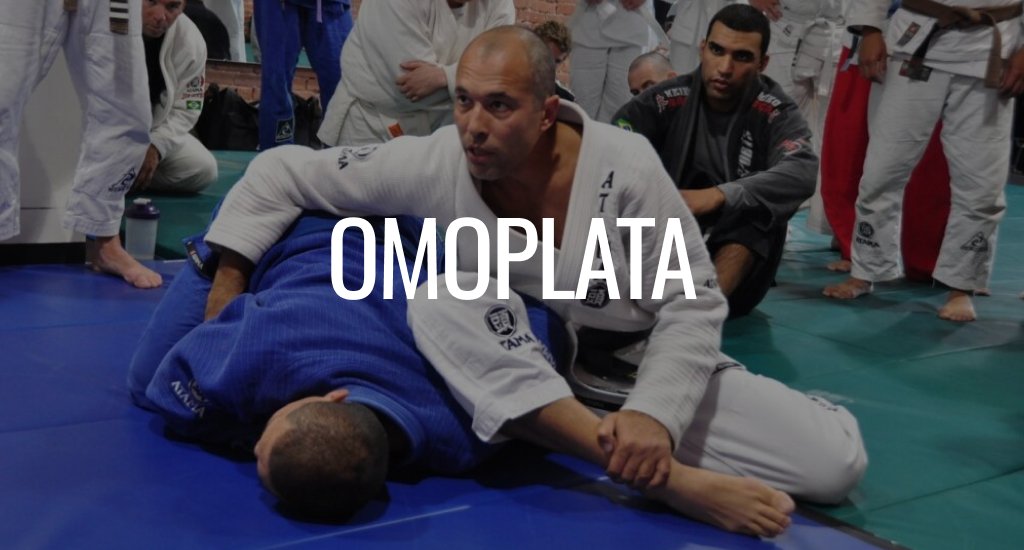
Omoplata: The Versatile Shoulder Lock from Guard

Omoplata: The Versatile Shoulder Lock from Guard

By BJJ Sportswear Editorial Team
Reviewed by competitive black belts specializing in omoplata systems | Last Updated: January 11, 2026

The Omoplata is Brazilian Jiu-Jitsu’s most versatile shoulder lock submission. Using your legs to trap and hyperextend an opponent’s shoulder while controlling their body, the omoplata works as both a submission and a sweep, creating transitions to other attacks like triangle chokes and armbars when defended.​

According to Elite Sports’ omoplata guide, omoplata (meaning “shoulder blade” in Portuguese) is a move where a BJJ player uses his legs and hips to hyper-extend an opponent’s shoulder joint out of its normal range of motion, forcing them to submit. The shoulder lock resembles a Kimura lock but without the figure-four grip—instead using your legs to hold the submission.​

Evolve MMA emphasizes that like the kimura, the omoplata can be used as a submission as well as a means to force opponents to move out of position. It can be used as a submission in disguise to sweep the opponent and get into a dominant position like side control or mount.​

After coaching hundreds of students and using omoplata in gi competition, I’ve found it’s the thinking person’s submission—rarely finished in isolation but creating endless opportunities when chained with other techniques. The omoplata proves that sometimes the threat of a submission is more valuable than the finish itself.

Whether you’re a blue belt building guard submission systems or a brown belt refining championship strategies, mastering omoplata mechanics gives you the versatile shoulder lock that complements spider guard, closed guard, and triangle attacks perfectly.

Omoplata: The Versatile Shoulder Lock from Guard

What Is the Omoplata?

The omoplata is a shoulder lock submission where you trap your opponent’s arm behind their back using your legs while applying pressure to hyperextend their shoulder joint.​

Core Omoplata Components:

  • Opponent’s arm isolated and trapped
  • Your leg over their shoulder
  • Their arm pinned behind their back
  • Hip control prevents rolling escape
  • Lean forward to apply shoulder pressure
  • Can be submission OR sweep
  • Natural transitions to triangle/armbar

Elite Sports explains: This submission is powerful because it uses two critical principles on how to dominate a stronger opponent: creating a mismatch where you use your legs to attack their upper body and subduing the opponent by putting their arm behind their back.​

Understanding what is guard in BJJ helps you see why omoplata is so effective from guard—you control their posture while attacking the shoulder.

The Omoplata History

Origins and Development

Elite Sports describes: It was developed under Mitsuyo Maeda, a Japanese judoka.​

Historical Timeline:

  • Origins: Judo and catch wrestling roots
  • Development: Mitsuyo Maeda pioneered technique
  • BJJ Integration: Gracie family elevated it to legitimate submission
  • Modern Era: Clark Gracie family refined systems
  • Competition: IBJJF benchmark technique

In Judo, it’s called “sankaku garami” (leg triangle entanglement). The technique has been around since Brazilian Jiu-Jitsu’s earliest days.

The 1990s Revolution

Modern Development:

  • Nino Schembri: Successfully used omoplata extensively in 1990s
  • Clark Gracie: Known for exceptional omoplata game
  • Became extremely popular during this era
  • Recognized as fundamental submission like kimura

The omoplata is part of every Jiu-Jitsu academy curriculum today.​

Omoplata from Closed Guard

The classic entry point:​

Standard Closed Guard Omoplata

Evolve MMA teaches: To get to the omoplata from closed guard, you can attempt to attack with an armbar, and when the opponent pushes their hands to your chest and pulls their arm out, you can move to the side and transition to the omoplata.​

Setup:

  • Opponent in your closed guard
  • Attempt armbar (creates reaction)
  • Opponent pushes hands to chest
  • Pulls arm out defending
  • Transition to omoplata

Execution Steps:

1. Control the Arm

  • Two-on-one grip on opponent’s sleeve
  • Maintain control throughout
  • Move shoulder toward their leg

2. Break Alignment

  • Rotate arm underneath
  • Circle arm to their leg
  • Rotate wrist under their leg to break grip
  • Transfer grip to other hand

3. Pendulum and Rotate

  • Pendulum outside leg wide
  • Use it to rotate body under
  • Bring opponent down
  • Kick legs to floor

4. Control Landing

  • Maintain sleeve control
  • Weight from legs over shoulder
  • Makes posturing difficult
  • Perpendicular position (90 degrees)

5. Roll to Top

  • Roll whole body to far side
  • Use momentum from elbow
  • Finish sweep and land on top
  • Pass grip to solidify position

Overhook Entry

Grapplearts teaches: From closed guard with overhook established.​

Mechanics:

  • Secure overhook on opponent’s arm
  • Swing both feet to 90/90 position
  • Over-under grip (one arm over shoulder, one under armpit)
  • Finish by driving forward on feet
  • Raise hips to apply pressure
Omoplata

Omoplata from Spider Guard

The modern high-percentage setup:​​

Spider Guard to Omoplata

BJJ Fanatics describes: Setting up the omoplata from spider guard can be one of the most simple attacks and most effective.​

Simple Setup (Standing Opponent):

  • One foot on opponent’s hip
  • Spider control leg extends arm away
  • Slide hip foot up behind their arm
  • Over front of shoulder
  • Catch omoplata position

Lasso Variation:

  • Spider control one bicep
  • Lasso grip with other leg
  • Flare opponent’s elbow (spider control)
  • Release sleeve grip
  • Regrip opposite collar (lasso side)
  • Still apply pressure with spider foot
  • Kick lasso leg through
  • Enter omoplata position

Video instruction emphasizes: Hip positioned outside opponent’s body—spider keeps them stretched.​

Key Position Details:

  • Body positioned backward (head near their feet)
  • Feet near their head
  • Back flat on mat
  • Leg closest to body kicks forward constantly
  • Pressure on shoulder maintained

Reddit discussion notes: Lasso is the most common omoplata setup, with spider guard being primary entry for beginners.​

Omoplata from Other Positions

From Triangle Position

Natural transition:​

Setup:

  • Attempt triangle choke
  • Opponent defends triangle
  • Move to omoplata from same position
  • Seamless transition

Reddit advice: If just beginning, move to triangle and apply omoplata from there.​

From Mount Position

Elite Sports describes: Omoplata from full mount is very useful.​

Execution:

  • Establish mount with proper control
  • Cross opponent’s arm over their body (hands or elbows)
  • Slide leg underneath their arm
  • Foot at their back
  • Bring foot over shoulder
  • Tuck underneath arm
  • Apply shoulder pressure

From Side Control

Reverse kesa gatame application:​

Setup:

  • Side control position
  • Shift onto side toward opponent’s feet
  • Step leg over opponent’s back
  • Grab gi sleeve for control

Finish:

  • Control opponent’s arm
  • Hand to other side of hip (base)
  • Hook under arm with leg
  • Grab elbow
  • Backstep turning opponent over
  • Finish omoplata on stomach

The Omoplata Sweep

Evolve MMA emphasizes: While the omoplata is a fundamental technique, finishing an experienced opponent using it can be challenging. It can be used as a submission in disguise to sweep the opponent and get into a dominant position.

​

Omoplata

Why Sweep Instead of Submit?

Reddit discussion reveals: “Sweep/to stall out my opponents guard pass. Omoplatas don’t work as a submission against any non beginner as they are too finicky to finish”.​

The Reality:

  • Experienced opponents know omoplata escapes
  • Rolling forward is common defense
  • But this exposes them to sweep
  • Forces position over submission
  • Creates dominant top positions

Omoplata Sweep Mechanics

Elite Sports teaches: The omoplata represents one of the basic sweeps in BJJ.​

Sweep Execution:

  • Grab opponent’s arm and push backward
  • Hook around arm with leg
  • Foot across back or neck
  • Slide other leg over shoulder
  • Trap arm and isolate shoulder

Rotating for Sweep:

  • Rotate body while leg set
  • Pull arm across body
  • Opponent feels pressure
  • They try escaping
  • Shift hips and move legs
  • Push onto side or off-balance
  • Use legs/hips to sweep over
  • Establish dominant top position

Finishing Options After Sweep

Evolve MMA details: Once on solid top side omoplata position:​

Option 1: Side Control

  • Post hand on far side
  • Establish side control
  • Maintain shoulder control

Option 2: Mount

  • Post hand on near side
  • Backstep leg over opponent
  • Land in full mount
  • Dominant position

Option 3: Finish Omoplata

  • Re-roll over inside shoulder
  • Kick leg down
  • Finish omoplata submission
Omoplata

Transition Attacks from Omoplata

To Triangle Choke

Evolve MMA teaches: If opponent postures high up with foot on mat making reaching triangle hard, use momentum to do backward roll.​

Setup:

  • Omoplata position established
  • Opponent posts hand on mat
  • Transition to triangle choke
  • Natural flow between submissions

To Armbar

From Top Omoplata Position:​

  • Land from backward roll
  • Calf between elbow and shoulder
  • Post hand far side (blocks hip)
  • Push opponent’s hand to mat
  • Armbar available
  • Or wristlock alternative

Evolve MMA notes: Don’t use both hands for armbar—no contact blocking far hip allows escape.​

Back to Omoplata

If Opponent Recognizes Armbar:​

  • Roll to opposite side
  • Or backstep to opposite side
  • Return to omoplata position
  • Endless transitions

Critical Omoplata Details

Elbow Control

Elite Sports emphasizes: You must start controlling the arm you attack before attacking the omoplata.​

Control Requirements:

  • Take control above elbow
  • Right under shoulder
  • Poor arm control = no omoplata
  • If control under elbow, they push leg down
  • Escape becomes easy

Hip Angle

90-Degree Positioning:​

  • Turn 180 degrees during setup
  • Hips parallel to opponent
  • Facing same direction
  • Prevents rolling escape
  • Circle arm around hips
  • Grasp belt or pants (gi)

Leg Pressure

Elite Sports teaches: Your leg hits opponent’s arm—this drives them down and stops posturing up.​

Leg Mechanics:

  • Leg drives down on arm
  • Creates pressure
  • Stops posture
  • Only need one leg across
  • Creates pressure without sacrificing mobility
  • Some argue for triangle position
  • One leg sufficient for control

Flattening the Opponent

Essential for Finish:​

  • Opponent must be flattened
  • Complete control gained
  • Lock applied effectively
  • Push downward on shoulder
  • Forces tap
  • Keep weight toward middle
  • Heavy head lean allows sweep

Gi vs. No-Gi Omoplata

No-Gi Considerations

Elite Sports notes: In No-Gi situation, conducting omoplata is much more difficult.​

No-Gi Challenges:

  • Must ensure control over move
  • Prevent rolling without gi grips
  • No sleeves for hand control
  • No belt to maintain control
  • Requires different gripping

No-Gi Execution:

  • Grab wrist, control arm
  • Move across hip
  • Reach over and grip shoulder
  • Pull down as kick leg through
  • Rotate hips 180 degrees
  • Drop leg down with force
  • Establish control
  • Lock hips to prevent rolling
  • Lean into slowly for tap

Gi Advantages

Gi Application:​

  • Sleeve grip for control
  • Pull them down easier
  • Hold their pants
  • Belt grip keeps them down
  • Same finishing mechanics
  • Can maintain sleeve grip throughout

Training Omoplata by Belt Level

For Blue/Purple Belts: Building Foundations

Start with fundamentals:

Priorities:

  • Master closed guard omoplata first
  • Learn spider guard entries
  • Practice omoplata sweep
  • Understand it’s sweep more than submission
  • Develop transitions to triangle/armbar

Resources about first BJJ class expectations help beginners understand submission progression.

Reddit advice from Marcelo’s academy: Use SWINGING leg variation to chop down on arm with hamstring—forces posture down much more than bent-knee omoplata.​

For Brown/Black Belts: System Development

Perfect championship applications:

Advanced Focus:

  • Study Clark Gracie footage
  • Master lasso guard variations
  • Perfect transition sequences
  • Develop invisible setups
  • Use as positional control
  • Chain with triangle/armbar systems

Exploring blue belt development goals helps structure omoplata integration.

Competition Strategy

IBJJF Gi Competition

Omoplata as sweep tool:

Strategic Application:

  • Rarely finished as submission
  • Primarily used for sweeps (2 points)
  • Creates top positions
  • Transitions to other attacks
  • Legal at all belt levels

Evolve MMA notes: Athletes like Nicholas Meregali use omoplata sweep even at championship level.​

Integration with Guard Systems

Omoplata completes guard attack systems:

The Combinations:

  • Spider Guard: Primary setup position
  • Triangle: Natural transition partner
  • Armbar: Flows seamlessly
  • Closed Guard: Classic entry point

Flow between all creates unstoppable guard game.

The Omoplata Legacy

From Mitsuyo Maeda’s judo roots to Nino Schembri’s 1990s revolution and Clark Gracie’s modern refinement, the omoplata represents BJJ’s most versatile shoulder lock. What makes it special isn’t the submission finish—it’s the positional control, sweeping opportunities, and transitions it creates.

The omoplata proves a fundamental BJJ truth: sometimes the threat is more valuable than the finish. By positioning for omoplata, you create sweeps, triangles, armbars, and back takes that opponents cannot defend simultaneously.

Whether you’re setting up from spider guard, transitioning from triangle attempts, or sweeping to mount, the omoplata provides the versatile shoulder lock that makes your guard game unpredictable and dangerous.


How We Reviewed This Article

Editorial Standards: Technical information verified through Clark Gracie instructional content, Nino Schembri competition footage, and contemporary omoplata specialists. Mechanical analysis reviewed by competitive black belts using omoplata in tournament settings. Historical information verified through documentation of Mitsuyo Maeda’s judo background and Gracie family development. Strategic applications based on IBJJF competition analysis and Nicholas Meregali championship usage (1990s-2025).

Sources Referenced:

  • Elite Sports ultimate omoplata guide
  • Evolve MMA omoplata sweep mechanics
  • Clark Gracie omoplata systems
  • Grapplearts omoplata fundamentals
  • Spider guard omoplata setups
  • Competition footage and applications

Last Updated: January 11, 2026

Scroll to Top