
On This Page
Editorial Standards
Reviewed by the BJJ Sportswear Editorial Team for technical accuracy and kept current.
Omoplata: BJJ Shoulder Lock Guide
The omoplata is a shoulder lock you attack with your legs, and it gives you three different ways to win the exchange. Here is how to set it up and finish it.
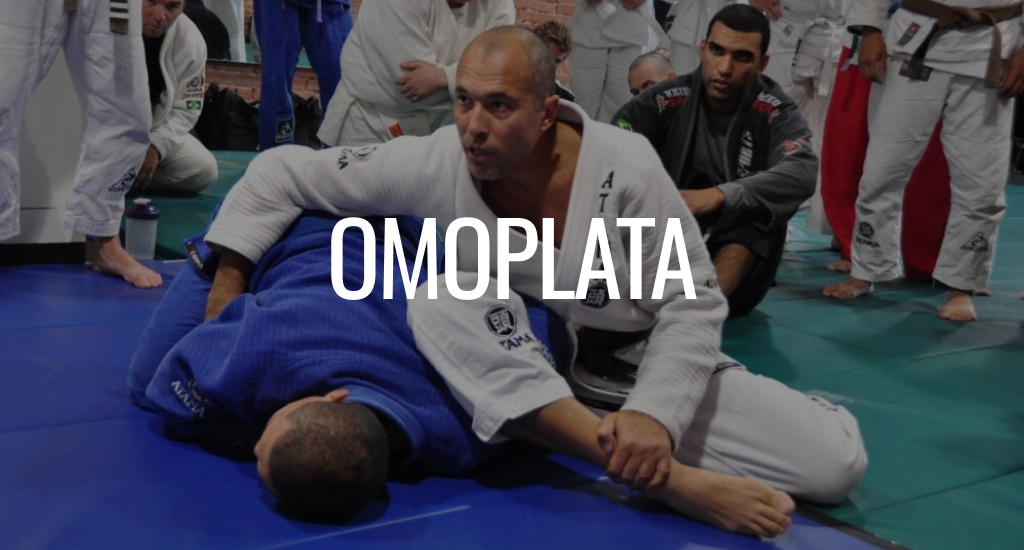
What the Omoplata Is
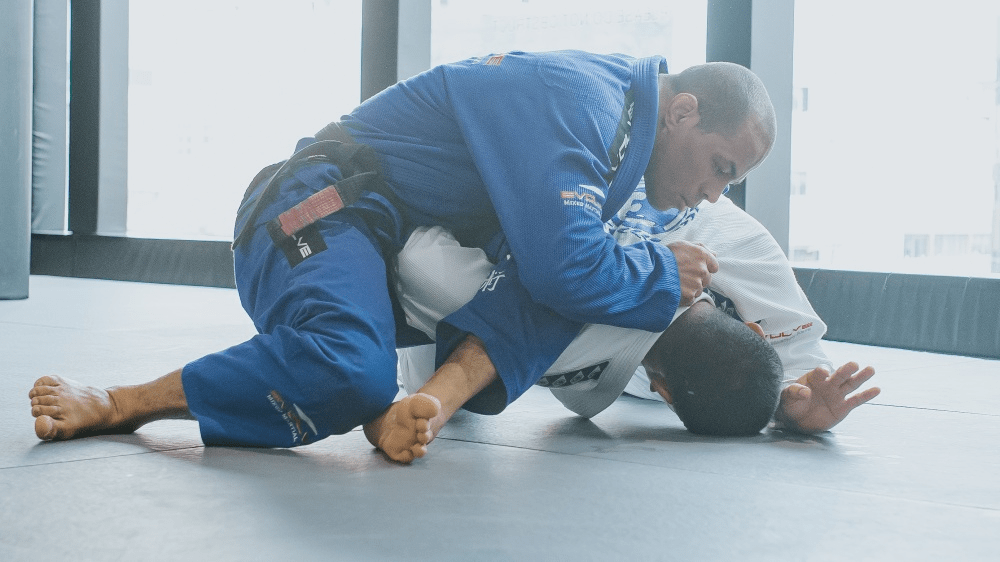
The omoplata is a shoulder lock. You attack it with your legs, not your arms. That makes it unusual. Most shoulder locks, like the kimura, use your hands to twist the joint. The omoplata traps your opponent's arm with your leg instead, then rotates their shoulder past its normal range.
It also gives you three ways out. You can finish the submission. You can use it as a sweep to top position. Or you can transition to the back. Few positions in BJJ offer that much flexibility from one setup.
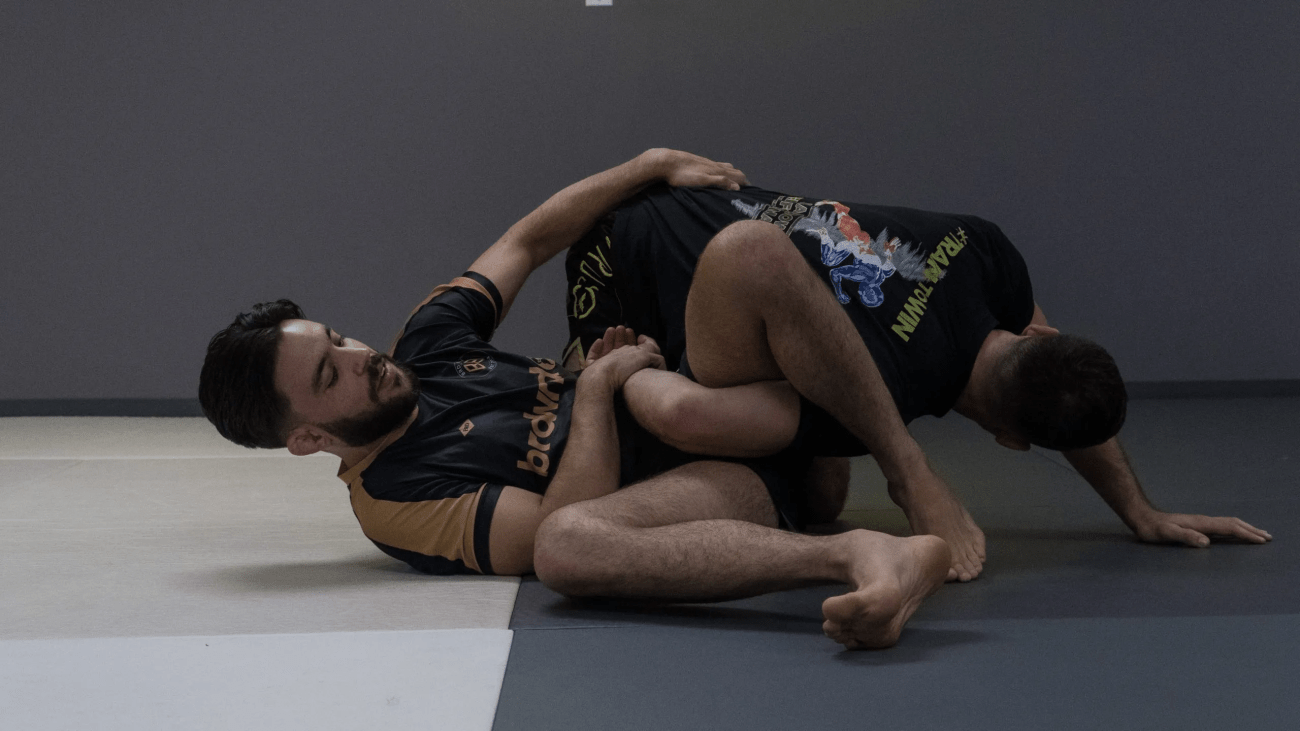
Setting It Up From Closed Guard
- Break your opponent's posture forward, pulling their head down toward your chest.
- Control one of their wrists and pull it across your body.
- Swing your same-side leg up and over their shoulder, trapping the arm.
- Sit up onto your opposite hip. This is the step most people rush.
- Walk your hands toward their far hip, staying tight to their body.
Your hip movement matters more than your grip strength. Sitting up fully is what actually locks the position in place.
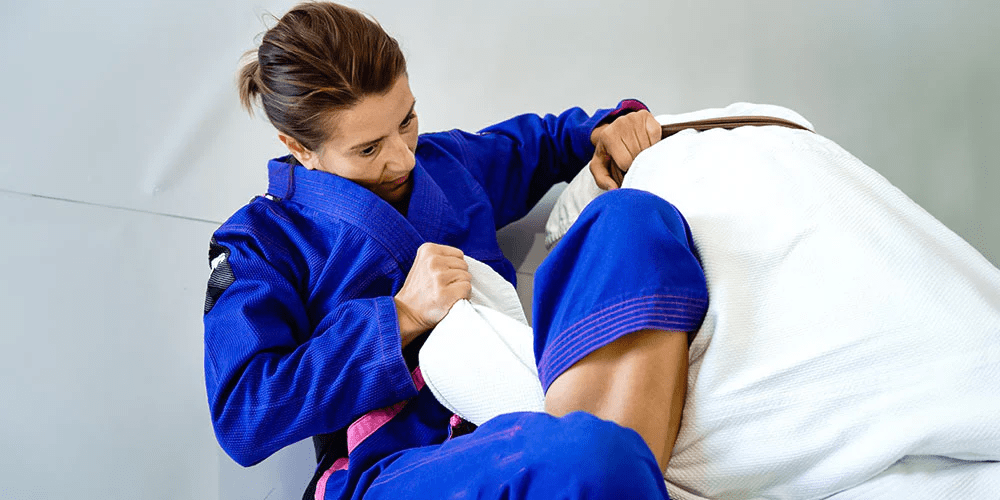
The Detail Everyone Skips: Flattening Your Opponent
A loose omoplata lets your opponent roll forward and escape. Before you finish anything, flatten them out. Push their far hip or shoulder down to the mat. Keep your leg heavy across their back. Once they're flat, neither the submission nor the sweep will slip.
Submission, Sweep, or Back Take?
- If your opponent stays low and can't posture up, finish the shoulder lock.
- If they posture up and try to stand, follow them up into a sweep, landing in top position.
- If they turn away to escape the arm, let go and take their back instead.
Reading which escape your opponent picks is the real skill here. React to what they give you instead of forcing one single outcome.
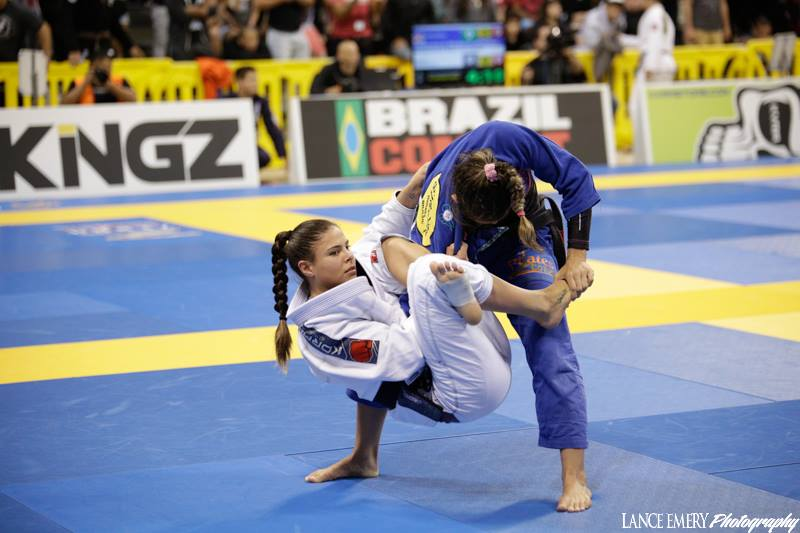
Common Mistakes
- Not sitting up fully, which leaves the whole position loose and easy to roll out of.
- Gripping the leg instead of controlling the hip, which does far less to stop the roll.
- Rushing the submission before flattening your opponent first.
- Forgetting your base. A strong base is what lets you follow a standing opponent into the sweep.
Defending the Omoplata
Protect your trapped arm immediately by grabbing your own belt or gi pants. This stops the rotation before it starts. Then posture up and try to stand. Standing removes most of the leverage your opponent has and often turns the position back in your favor.
Gi vs No-Gi
The omoplata works in both. In the gi, grips on the sleeve and pants make the setup easier to control. In no-gi, you'll rely more on wrist control and body positioning, since there's no fabric to grab. The core mechanics, the hip movement and the flattening, stay exactly the same.
Once the omoplata feels natural, it connects well into other guard attacks. Our triangle choke guide and spider guard guide share several of the same setups and grip principles, and it is one of the natural exits from rubber guard once mission control is established.
Tagged with:#omoplata#shoulder lock#closed guard#submissions
Frequently Asked Questions
Why does my omoplata keep failing?
Almost always because you never fully sat up onto your hip, or you skipped flattening your opponent before finishing. Both steps are what actually lock the position in place.
Is the omoplata a sweep or a submission?
Both. It starts as a shoulder lock, but if your opponent postures up to defend, the same position becomes a sweep to top position instead.
What belt level should learn the omoplata?
Blue belt and above typically drill it seriously, since it needs solid hip mobility and guard retention. White belts can still learn the basic entry early.
Does the omoplata work in no-gi?
Yes. You lose the sleeve and pants grips, so you rely more on wrist control and body positioning, but the hip movement and flattening steps stay exactly the same.
Is the omoplata dangerous?
It is a slower-building submission than most, since it hyperextends the shoulder gradually rather than snapping like a heel hook. That makes it relatively safe to drill, provided you tap before the rotation gets extreme.
About the Author
Mohsin AyubBJJ practitioner, 6 years — Gracie Barra
Founder & Editor, BJJ Sportswear
Mohsin has trained Brazilian Jiu-Jitsu for six years at Gracie Barra and has competed at IBJJF-affiliated tournaments. He writes about competition, gear, and athlete careers, and founded BJJ Sportswear to help grapplers find equipment and information they can trust.
- Six years training Brazilian Jiu-Jitsu at Gracie Barra
- Competed at IBJJF-affiliated tournaments
- Writes on BJJ competition, gear testing, and athlete careers
This article was last reviewed and updated on 2026-08-01.