By BJJ Sportswear Editorial Team
Technique Breakdown | Last Updated: January 16, 2026
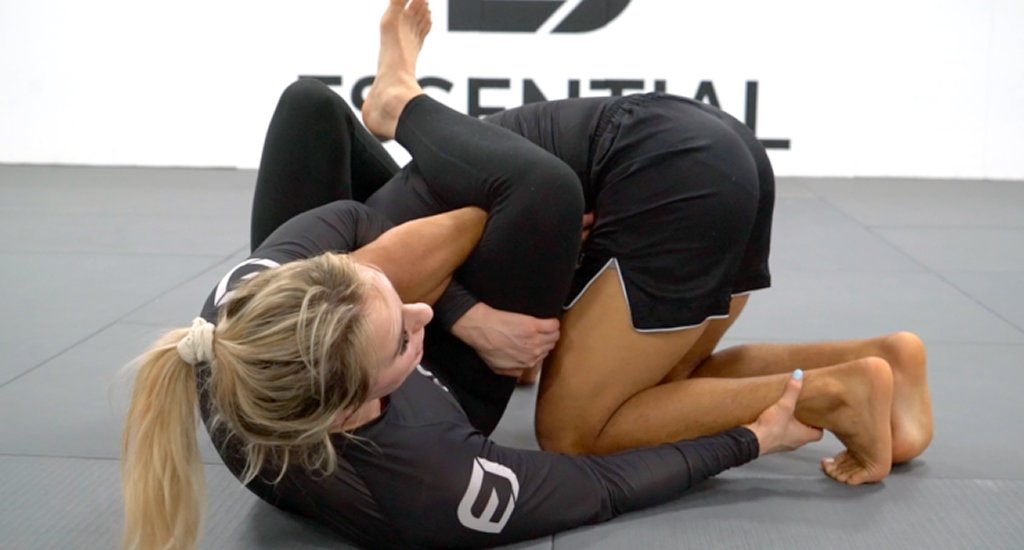
The Tarikoplata is an innovative shoulder lock submission combining kimura and omoplata mechanics, invented by Norwegian grappler Tarik Hopstock in the mid-2010s. This technique traps the opponent’s arm using your leg while applying rotational shoulder pressure, creating a high-percentage finish that works in gi and no-gi against opponents of all sizes.
The submission gained prominence when Hopstock began tapping larger opponents at international competitions, later being adopted by elite grapplers including Gordon Ryan and praised by John Danaher as “dangerous and effective”. Unlike traditional kimuras requiring grip-fighting strength, the Tarikoplata uses leg control and leverage making it accessible to smaller practitioners seeking technical efficiency over brute force.
This comprehensive guide covers Tarikoplata mechanics, step-by-step setup from top positions, finishing details, common mistakes, variations including north-south entries, counters, training drills, and competition applications connecting to complete BJJ submission understanding and advanced techniques.

Table of Contents
What is the Tarikoplata?
Origin & History
BJJ Heroes on invention: “The Tarikoplata is a joint-lock type submission used in grappling which was first unveiled in jiu-jitsu’s sporting circuit by a young Norwegian competitor named Tarik Hopstock during the mid-2010s decade”.
Development timeline:
- Mid-2010s: Tarik Hopstock develops technique at Frontline Academy, Oslo
- 2019-2020: Gains competition success, tapping larger opponents
- 2020: Hopstock releases instructional, technique goes viral
- 2021-2023: Adopted by elite grapplers (Gordon Ryan, Danaher Death Squad)
- 2024-2026: Becomes mainstream high-level competition technique
Creator’s explanation: “I originally started playing with this variation while training at Frontline Academy in Oslo, and over time it became a core part of my game. The goal was to find a clean and efficient option when people start defending the kimura or posturing out of it. The result was the Tarikoplata — a submission that blends elements of the kimura and omoplata, but with tighter control and a different angle of attack.”
Tarikoplata vs Kimura vs Omoplata
Digitsu breakdown: “The Tarikoplata uses a leg-arm frame for tighter control and leverage, often finishing in a top position. The Omoplata relies primarily on legs and hip pressure, typically finishing with the attacker perpendicular to the opponent”.
| Characteristic | Tarikoplata | Kimura | Omoplata |
|---|---|---|---|
| Primary control | Leg trap + arm frame | Two-on-one grip | Legs only |
| Finish position | Top (mounted on back) | Side/top | Perpendicular/sitting |
| Leverage source | Leg + elbow rotation | Arm strength + rotation | Hip pressure + rotation |
| Entry | Kimura defense | Wrist control | Guard/scrambles |
| Strength required | Low (leg power) | Medium-high (grip fighting) | Medium (hip flexibility) |
| Escape difficulty | Very hard (double control) | Medium (break grips) | Medium (roll forward) |
| Size advantage | Works on bigger opponents | Struggles vs bigger | Works on bigger |
| Gi/No-gi | Both equally effective | Both (harder no-gi grips) | Easier in gi |
Why Tarikoplata is effective:
- ✅ Bypasses grip strength (leg does the work, not arms)
- ✅ Tighter control (leg-arm frame vs arm-only kimura)
- ✅ Top position finish (more control than omoplata)
- ✅ Multiple entries (kimura defense, north-south, side control)
- ✅ High finish rate (difficult to defend once locked)
Reference: Kimura technique guide (related submission)
How the Tarikoplata Works (Mechanics)
The Concept
Instagram breakdown: “The Tarikoplata is a hybrid shoulder lock submission that combines elements of both the kimura and the omoplata”.
Three key components:
1. Kimura grip (initial control):
- Start with standard kimura grip (figure-four on opponent’s arm)
- Opponent defends by pulling arm away or posturing up
- Instead of forcing kimura, transition to Tarikoplata
2. Leg trap (replaces grip strength):
- Throw leg over opponent’s trapped arm
- Catch their wrist in crook of your knee (behind knee joint)
- Leg now controls arm instead of your hands
- Much stronger than arm-only control
3. Shoulder rotation (finish):
- Post hand on mat for base
- Step up with opposite leg
- Bring elbow toward ceiling
- Push knee behind opponent’s back
- Creates torque on shoulder joint = tap
Why it works: Combines kimura’s rotational pressure + omoplata’s leg control + top position dominance = extremely difficult to defend.
The Trapping Mechanism
Creator’s detail: “I want to make sure that I’m grabbing his wrist with the crook of my knee so when I throw over I’m going to let go of the kimura grip but I gotta let his wrist fall into the crook of my knee here so that I trap it and get tight.”
Crook of knee = key:
- Bony structure (strong frame)
- Natural pocket (wrist locks in)
- Impossible to pull out (vs arm control = can break grips)
- Maintains control during transitions
Step-by-Step Tarikoplata from Top (Basic Setup)
Starting Position: Kimura Control from Side Control
Step 1: Establish kimura grip
- Side control on opponent
- Isolate near arm
- Feed arm behind their back
- Figure-four grip (your right hand grabs your left wrist, controlling their right arm)
Step 2: Opponent defends
- They pull arm away (resisting kimura finish)
- They posture up trying to escape
- Don’t force the kimura (wastes energy)
- Transition to Tarikoplata instead
The Tarikoplata Transition
**Step 3: Throw leg over trapped arm **
- Maintain kimura grip temporarily
- Swing your right leg over their trapped arm
- Critical: Catch their wrist in crook of your knee (behind knee)
- Creator’s cue: “Let his wrist fall into the crook of my knee here so that I trap it”
- Release kimura grip (leg now controls arm)
**Step 4: Secure leg position **
- Stretch leg toward their head (straighten leg)
- Toes pointed (maintains tension)
- Similar to omoplata leg position
- Creator’s cue: “This leg always stretched above his head here”
The Finish Sequence
**Step 5: Hand placement **
- Reach through with your free hand
- Grab your own thigh (as deep as possible)
- Creator’s detail: “My hand is above my thigh so I can go straight from my thigh here and grab as tight as possible”
- Creates secondary frame (arm + leg controlling opponent’s arm)
**Step 6: Base and position **
- Post your other hand on mat (creates base)
- Step up with opposite leg
- Creator’s detail: “Let the sole of my foot slip off the floor so I can now slide my knee up”
- Allows you to climb onto opponent’s back
**Step 7: Apply shoulder lock **
- Bring your elbow toward ceiling (creates upward pressure)
- Push your knee behind opponent’s back (creates rotational torque)
- Creator’s cue: “Now I can bring my elbow to the roof or to the ceiling and I’m gonna slide my knee down to the floor here behind his back”
- Finish: Combination of elbow up + knee pushing back = shoulder rotation = tap
Creator’s summary: “This is a shoulder lock so what do I want to do I want to twist the shoulder that means I’m going to bring my elbow up towards the ceiling and push my knee behind his back here okay so I’m turning or I’m creating this torque here boom to get the tap.”
Tarikoplata Variations & Entries
From North-South Position
YouTube setup: “The Tarikoplata has become more popular and prevalent than ever in recent times, and this setup from North South is definitely one of the most effective”.
North-south entry:
- Achieve north-south control
- Isolate near arm (kimura position)
- Opponent defends by pulling arm
- Throw far leg over their trapped arm
- Catch wrist in crook of knee
- Rotate to side, finish as normal
Advantage: Surprise entry (less expected than side control)
From Kimura Trap System
YouTube shorts: “The TARIKOPLATA set up from the Kimura Trap System”.
Kimura trap entry:
- Establish kimura trap (sitting up, controlling arm)
- Opponent tries to pull arm free
- Instead of chasing kimura, trap wrist with leg
- Fall back into Tarikoplata finish
Reference: Kimura trap system (foundation technique)
From Bottom Guard (Reversal)
Advanced variation:
- Opponent passes your guard
- You establish kimura grip from bottom
- As they settle into side control, throw leg over
- Catch wrist, reverse position
- End up on top in Tarikoplata position
High-level application: Turns defensive position into offensive finish
Common Mistakes & How to Fix
Mistake #1: Not Securing Wrist in Crook of Knee
Problem: Wrist slips out, opponent escapes
Fix:
- “Make sure that I’m grabbing his wrist with the crook of my knee”
- Let wrist fall into the crook (don’t try to catch it with shin)
- Deep pocket behind knee = secure trap
Mistake #2: Hand Not Deep Enough on Thigh
Problem: Weak frame, can’t generate pressure, risk self wrist-lock
Creator’s warning: “Make sure that this wrist is all the way through if your hand is not deep enough you might wrist lock yourself or you might not be able to get the submission”
Fix:
- Grab as deep as possible on your thigh
- Hand placement above your thigh (not on side)
- Creates stronger frame for leverage
Mistake #3: Poor Base During Finish
Problem: Opponent escapes while you transition to top
Fix:
- Post hand firmly on mat
- Step up with opposite leg (creates stability)
- Creator’s detail: “I’m gonna have a good base with my foot and my hand here on the floor”
- Don’t rush the finish (secure position first)
Mistake #4: Not Creating Enough Torque
Problem: Opponent tough it out, doesn’t tap
Fix:
- Elbow to ceiling (maximum upward pressure)
- Knee behind back (maximum rotational pressure)
- Both together = creates torque (rotation) on shoulder
- “Creating this torque here boom to get the tap”
Mistake #5: Letting Opponent Flatten Out
Problem: Opponent rolls to back, relieves pressure
Fix:
- Control opponent’s pants/belt with free hand
- Creator’s detail: “Use this free hand to hold his pants here so I can control the speed when he rolls over”
- Keep leg stretched toward head (prevents flattening)
Defenses & Counters
Defending the Tarikoplata
If opponent attempts Tarikoplata on you:
Defense #1: Prevent leg from trapping wrist
- As soon as they throw leg over, pull arm free immediately
- Don’t let wrist settle into crook of knee
- Explosive pull (before they secure)
Defense #2: Roll forward (omoplata-style)
- If wrist trapped, immediately roll forward over trapped shoulder
- Similar to omoplata escape
- Relieves rotational pressure
- May escape or reverse position
Defense #3: Posture up hard
- If caught early, push up explosively
- Create space before they secure top position
- Difficult once they’ve climbed on your back
Reality: Tarikoplata very hard to escape once fully locked (why it’s so effective)
Training Drills
Drill #1: Kimura to Tarikoplata Transition
Solo drill (10 reps each side):
- Set up kimura grip on imaginary opponent
- Practice throwing leg over
- Catch imaginary wrist in crook of knee
- Grab thigh, post hand
- Step up, finish motion
Partner drill (5 reps each):
- Partner holds side control bottom position (doesn’t resist)
- Practice full sequence: kimura grip → leg over → trap wrist → finish
- Focus on smoothness, not speed
Drill #2: Wrist Trapping Precision
Focus: Crook of knee control
- Partner holds arm extended
- Practice throwing leg over, catching wrist precisely in crook
- Feel the “pocket” where wrist locks
- 20 reps each leg
Drill #3: Finishing Mechanics (Isolated)
Focus: Creating torque
- Start with wrist already trapped, in finishing position
- Practice: hand on mat → step up → elbow to ceiling → knee behind back
- Partner gives feedback on pressure
- 10 reps each side
Competition Applications
When to Use Tarikoplata in Competition
Ideal scenarios:
1. Opponent defends kimura strongly:
- Grip-fighting kimura wastes energy
- Tarikoplata bypasses grip strength
- Higher success rate
2. Against larger opponents:
- BJJ Fanatics description: “Attack this innovative and effective shoulder lock from top and bottom position, even against much bigger and stronger fighters”
- Leg control negates size/strength advantage
3. Late in match (when tired):
- Don’t have energy for grip-fighting kimura
- Tarikoplata requires less strength
- Leg does the work
4. No-gi competition:
- Kimura grips harder to maintain (sweaty)
- Leg trap more reliable
- Works equally gi and no-gi
High-Level Examples
Gordon Ryan adoption:
- BJJ Fanatics: “This unique submission hold has lit up the BJJ competition scene, with everyone from Tarik Hopstock to Gordon Ryan swearing by its effectiveness”
John Danaher endorsement:
- BJJ Fanatics: “John Danaher credits as a dangerous and effective submission threat that he teaches his team”
Competition success rate:
- Creator Tarik Hopstock: “One of my highest percentage attacks in competition”
- Effective at all belt levels (purple+)
Reference: Competition preparation (tournament readiness)
Gi vs No-Gi Differences
No-Gi Tarikoplata
Advantages no-gi:
- Leg trap more reliable (no gi fabric interference)
- Faster transitions (less friction)
- Harder for opponent to grip and defend
Setup differences:
- Initial kimura grip harder to get (no gi to grab)
- Must control wrist directly (not sleeve)
- Once leg traps arm, identical to gi finish
Creator’s note: “This is a submission that works in both gi and no-gi” – equally effective both
Gi Tarikoplata
Advantages gi:
- Easier initial kimura control (grab gi)
- Can grab opponent’s pants for control during finish
- More friction = opponent harder to escape
Setup adjustments:
- Grab gi sleeve for initial control
- Use gi pants grip to control rolling
- Otherwise identical mechanics
Who Should Learn This Technique?
Best for:
✅ Purple belt and above (requires kimura foundation)
✅ Smaller grapplers (leverage over strength)
✅ Competitors (high percentage finish)
✅ No-gi specialists (works great without gi)
✅ Kimura players (natural progression)
✅ Technical grapplers (detail-oriented)
Prerequisites:
- Solid kimura understanding (kimura technique)
- Side control mastery
- Basic omoplata familiarity (leg positioning similar)
- Hip mobility (leg throw-over)
Reference: Purple belt techniques (intermediate skills)
Learning Resources
Official Instructionals
BJJ Fanatics – Tarikoplata by Tarik Hopstock:
- Created by submission inventor
- Multiple entries (top, bottom, north-south)
- Sparring footage (live application)
- Finishing details against resistance
- “Tarik takes you through all of the most common and effective ways that he finds his submissions”
- “How to break through even the strongest and most stubborn grips”
- “Attack from top and bottom position”
- “Sparring against Placido demonstrating against resisting opponent”
Free Resources
YouTube:
- The Tarikoplata: A Guide to the Most Underrated BJJ [Submission] – Tarik Hopstock (12:36)
- Understanding The Tarikoplata – Detailed breakdown
- Tarikoplata from North South – Quick variation
The Bottom Line
Tarikoplata = Modern BJJ Innovation
The Tarikoplata represents modern BJJ evolution: taking classical techniques (kimura, omoplata) and creating something more efficient through biomechanical understanding and competition testing.
Why it’s revolutionary:
- ✅ Solves kimura’s main weakness (grip strength requirement)
- ✅ Accessible to smaller practitioners
- ✅ High percentage finish (very hard to escape)
- ✅ Works gi and no-gi equally
- ✅ Adopted by elite grapplers (Gordon Ryan, Danaher team)
- ✅ Multiple entries (versatile)
Learning curve:
- Intermediate technique (purple belt+)
- Requires kimura foundation
- Details matter (wrist trap, hand placement, torque)
- Worth mastering (competition weapon)
Start training Tarikoplata today and add one of BJJ’s most innovative submissions to your game! 🥋
Related techniques:
- Kimura – Foundation technique
- Omoplata – Related shoulder lock
- Submissions from side control – Entry positions
Related resources:
- Purple belt techniques – Intermediate skills
- Competition prep – Tournament application
- What is BJJ? – Complete intro
OSS! 🙏💪
Sources
Technique Creator: Tarik Hopstock (official videos, instructionals)
Expert Analysis: BJJ Heroes, Digitsu, BJJ Fanatics
Video Tutorials: YouTube (Tarik Hopstock channel)
Last Updated: January 16, 2026