

Closed Guard Mastery: The Ultimate Guide to BJJ’s Most Dominant Position
By BJJ Sportswear Editorial Team
Reviewed by competitive black belts | Last Updated: February 1, 2026
The Closed Guard is the heart and soul of Brazilian Jiu-Jitsu.
It is the first position you learn, yet it is effective enough to win World Championships. Roger Gracie, widely considered the greatest of all time, used a simple Closed Guard game to submit the best black belts in the world. He didn’t use fancy inversions; he used perfect mechanics.
In this guide, we break down the Closed Guard system—from breaking posture to landing high-percentage submissions.
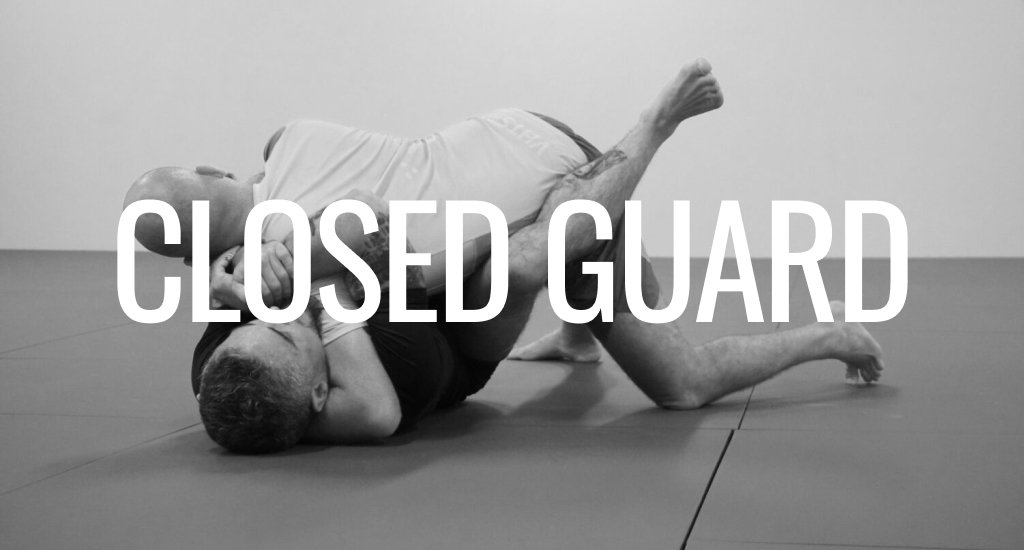
Table of Contents
What is the Closed Guard?
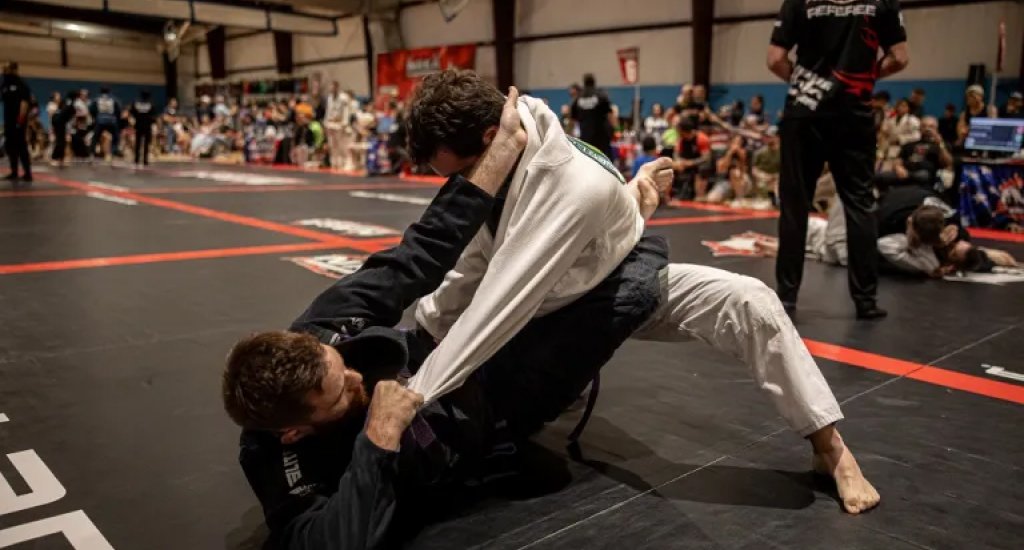
The Closed Guard is a position where you are on your back, and your legs are wrapped around your opponent’s torso with your ankles crossed.
- Safety: Your legs act as a barrier, preventing the opponent from passing to Mount or Side Control.
- Control: You control the opponent’s hips with your legs and their posture with your hands.
- The Trap: As John Danaher explains, the Closed Guard is one of the few positions where the bottom player has a massive leverage advantage over the top player.
The Golden Rule: Break the Posture
You cannot attack an opponent who has a straight spine. Before you try any submission, you must break their posture.
- Knees to Chest: Don’t just pull with your arms. Pull your knees to your chest to drag their whole body forward.
- The Crown: Grab the back of their head (crown) to control their neck lever.
The Top 3 Closed Guard Attacks
These three submissions form the “Holy Trinity” of the Closed Guard. They chain together perfectly.
1. The Cross Collar Choke (Roger’s Favorite)
This was Roger Gracie’s signature finish.
- Deep Grip: Reach deep into the opponent’s collar, four fingers inside.
- Break Posture: Pull them down.
- The Second Hand: Reach over their shoulder or under their arm to grab the other collar.
- Finish: Squeeze your elbows to your ribs and curl your wrists.
2. The Armbar
When the opponent pulls away to defend the choke, they extend their arms.
- Isolate: Trap one arm against your chest.
- Pivot: Put your foot on their hip and spin your body perpendicular to them.
- Leg Over: Throw your leg over their head and bridge your hips to hyperextend the elbow. Read our full Armbar Guide.
3. The Triangle Choke
If they pull one arm out of your guard, they leave the other one behind.
- Shoot: Throw your legs up over their shoulder.
- Lock: Figure-four your legs around their neck and one arm.
- Squeeze: Squeeze your knees together and pull down on their head.
The Top 3 Closed Guard Sweeps
If you can’t submit them, sweep them.
1. The Hip Bump Sweep (Kimura Sweep)
Use this when the opponent postures up aggressively.
- Action: Unlock your legs, sit up, and trap their arm. Drive your hips into them to knock them backward.
2. The Scissor Sweep
Use this when the opponent is pressuring forward.
- Action: Place your shin across their chest (knee shield). Scissor your legs to chop their base out from under them.
3. The Pendulum (Flower) Sweep
A powerful sweep against stalling opponents.
- Action: Swing your leg like a pendulum to generate momentum, underhooking their leg to dump them on their side.
Common Mistakes & Solutions
Mistake #1: Being Lazy with Legs
If you just cross your ankles and relax, they will stand up.
Solution: Squeeze your thighs and constantly pull them forward with your hamstrings.
Mistake #2: Reaching Up
Don’t reach your arms up without breaking their posture first. They will armbar you.
Solution: Always use your legs to bring them to you.
Mistake #3: Staying Flat
Roger Gracie notes that attacks require angles. You rarely finish a submission while your back is flat on the mat.
Solution: constantly get on your side (hip escape) to create attack angles.
Frequently Asked Questions
What if they stand up?
If they stand, your Closed Guard is weak. You should immediately switch to Open Guard (like Spider Guard or De La Riva) or try the Double Ankle Sweep.
Is Closed Guard good for MMA?
Yes. It is excellent for avoiding damage because you can pull the opponent’s head down to stop their punches.
Conclusion
Mastering the Closed Guard takes time, but it is the best investment you can make in BJJ. It teaches you the fundamental principles of leverage, posture, and control. Start by focusing on breaking posture. If you can control their head, the submissions will follow.