

Berimbolo Technique That Divided Brazilian Jiu-Jitsu
By BJJ Sportswear Editorial Team
Reviewed by competitive black belts specializing in modern guard systems | Last Updated: January 9, 2026
The berimbolo jiu jitsu technique changed the sport forever.
In the past, people thought it was just a fancy trick. Specifically, they said it was only for small, flexible fighters. However, they were wrong. Today, the berimbolo bjj move is a must-have skill for modern competitors.
In fact, you see it everywhere. Watch any major tournament, and you will see fighters use the berimbolo roll to spin upside down. Consequently, they skip the guard pass entirely. Then, they take back control. This is widely considered the best position in the sport.
This guide makes it simple. First, we will explain the history. Next, we will show you how to do the berimbolo, step-by-step. Finally, we will fix your common mistakes and explore advanced variations.
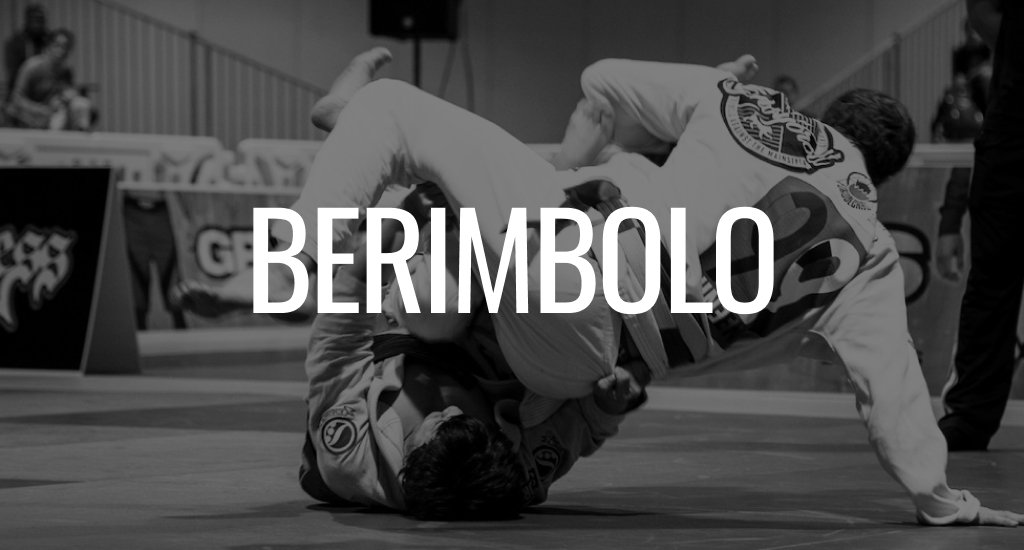
Table of Contents
What is the Berimbolo?
The move starts from the De La Riva guard.
According to the IBJJF Rule Book, the technique is legal at all belt levels, but you must avoid reaping the knee. Most sweeps knock an opponent down. In contrast, this technique is different. You do not just push them over. Instead, you spin. We call this an “inversion” or the berimbolo roll.
This spin creates chaos. As a result, it knocks your opponent off balance and forces them to sit. Once they sit, you use your momentum. Then, you climb up and finish the berimbolo bjj sequence by taking their back.
It is worth noting that while the move is powerful, it must be performed correctly to stay legal. The IBJJF Rule Book clarifies that while the inversion is legal for all belts, reaping the knee during the entry results in immediate disqualification. History shows us its effectiveness; the Mendes Brothers famously used it to secure multiple world titles.
The History
The move has deep roots. However, the Mendes Brothers made it famous. They used it to win world titles. The Mendes Brothers revolutionized the position in the late 2000s, using it to dominate the featherweight division.
Moreover, they connected the inversion with the Leg Drag pass. This created a perfect system. Subsequently, the Miyao Brothers proved it works for everyone. For example, it works even against big opponents. Now, it is a key part of open guard concepts.

Mechanics: Step-by-Step Guide
The berimbolo jiu jitsu move looks hard. The spin can feel confusing. But we can make it easy. Just follow these four steps.
Step 1: The Setup
First, you need a good setup.
- Hook the Leg: Put your outside leg around their lead leg. Hook your foot behind their knee. This is the De La Riva hook.
- Grab the Belt: Next, your outside hand grabs their BJJ belt. If you can’t reach it, grab the pants.
- Hold the Heel: Simultaneously, your other hand grabs their heel. Do not let go. This stops them from running.
Step 2: Off-Balance
You cannot spin yet. Therefore, you must make them sit first.
- Turn the Knee: Use your hook to twist their knee inward.
- Kick the Hip: Also, use your free leg. Push their far hip hard.
- Make Them Sit: Your goal is simple. Put their butt on the mat. When they sit, you can launch the berimbolo.
Step 3: The Spin
Now, you execute the famous berimbolo roll. Proper inversion mechanics are crucial; as Evolve MMA explains, keeping your knees to your chest prevents the opponent from smashing your guard.
- Roll on Shoulders: Do not roll on your neck. It is dangerous. Instead, roll across your upper back.
- Stay Small: Furthermore, keep your knees to your chest. Be like a ball. If you stretch out, you will get crushed.
- Get Under: Move your hips under their hips. You want to be right underneath them.
Step 4: The Finish
You are now behind them. You might be in the Crab Ride.
- Switch Hands: Immediately let go of the ankle. Grab their far pants.
- Lift Up: Use your legs like a jack. Lift their hips off the floor.
- Kick and Climb: Finally, kick your legs straight. Force them to roll over. Climb up to their back and secure your hooks.
The berimbolo doesn’t have a father, its an impoverished child born without a dad, now the kid became rich and famous and everyone wants to assume paternity. – Andre Galvao
3 Common Mistakes
Even black belts mess this up. Here is how to fix the problems.
1. Too Far Away
The Mistake: You try the berimbolo bjj entry, but you are too far away.
The Fix: Get close. Specifically, distance is key. Pull yourself in tight before you spin. If there is space between your hips and their hips, they will smash you.
2. Not Lifting Hips
The Mistake: You spin, but the opponent feels heavy.
The Fix: Use your legs. Do not pull with your arms. Instead, put your shins under their butt. Lift them up. Think of your legs as a forklift. If their hips stay on the mat, the berimbolo won’t work.
3. Weak Grips
The Mistake: You let go of the belt.
The Fix: Never let go. Basically, your grips keep you safe. If you let go, they will escape. Hold on until you have the seatbelt.
Troubleshooting: Why You Get Smashed
Sometimes, you do everything right, but you still get stuck. Here is why.
The Stacking Problem
If your opponent stacks you (puts weight on your neck), you cannot spin. To fix this, do not let them control your head. Keep your frames strong. Also, walk your shoulders away. Create space before you try to invert again.
The “Dead Leg” Issue
Sometimes, your opponent goes limp. They make their leg heavy. Consequently, you cannot lift them. In this case, switch to the Leg Drag. Push their heavy leg across your body. Take top position instead of the back.
Advanced Variations
Once you master the basics, try these variations.
The “Facebolo”
This is great if you are not flexible. Instead of spinning upside down, you roll across your forehead. It requires less spine flexibility. Specifically, you look at the mat and roll over your shoulder like a wrestler.
The No-Gi Berimbolo
Without the gi, this is harder. You have no belt to grab. Therefore, you must change your grips.
- Grip 1: Grab the ankle with both hands.
- Grip 2: Hook behind their knee with your elbow (like a deep hook).
- Movement: You must be faster. Use momentum because you cannot rely on friction.
Counters & Defenses
Smart opponents will try to stop you. You must know their attacks to stay safe.
The Leg Drag Counter
As you spin, they might try to push your legs down. Consequently, this pins you to the mat. To stop this, keep your knees wide. Do not let them cross your legs.
The Re-Bolo
This is a high-level counter. As you spin to take their back, they spin with you. Suddenly, they are taking your back. To prevent this, control their hips constantly. Do not let them move freely.
The Toe Hold
Be careful. Your feet are exposed during the spin. Specifically, they can grab your foot for a Toe Hold submission. Keep your feet active. Hide your toes.
Frequently Asked Questions
Is the berimbolo legal?
Yes. It is legal at all belt levels. However, be careful with your feet. Do not reap the knee. That is illegal.
Do I need to be flexible?
It helps, but you don’t need to be a yoga master. Actually, good angles are more important than flexibility. If you move your hips correctly, you don’t need to stretch as much.
Does the berimbolo bjj no gi variation work?
Yes. But the berimbolo bjj no gi application is harder. You don’t have a BJJ Gi to grab. You must grab ankles and knees instead.
Conclusion
The berimbolo jiu jitsu system is a powerful tool. It connects your guard to the back mount.
Focus on the details. Keep your grips tight. Also, lift their hips. If you do this, you will master the move. Start practicing today. Soon, you will take backs from everywhere.