

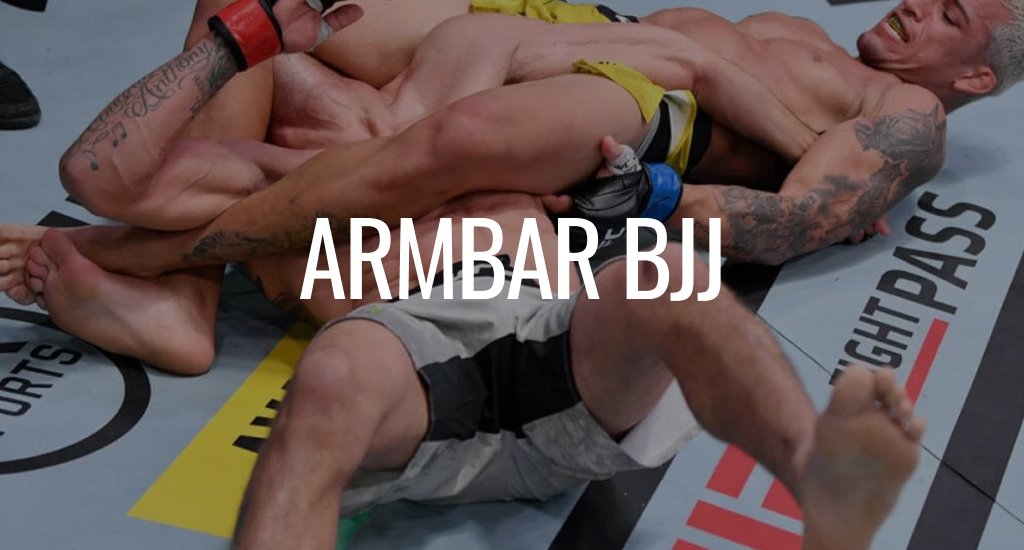
Armbar submission in Jiu Jitsu: Complete Technique Guide for BJJ
By BJJ Sportswear Editorial Team
Reviewed by competitive black belts specializing in armbar systems | Last Updated: January 11, 2026
The armbar (known as juji-gatame in Japanese) is BJJ’s most fundamental and versatile submission. You can hit it from almost any position—mount, guard, back control, and side control—using leverage to hyperextend your opponent’s elbow joint and force them to tap. From white belt basics to black belt world championships, the armbar works at every level because it uses your entire body against one isolated arm.
According to NAGA Fighter’s armbar analysis, executing a successful armbar can shut down even the biggest and strongest opponents when you use proper positioning, leverage, timing, and control. Roger Gracie built a legendary career on basic armbars, and Ronda Rousey won an Olympic medal and UFC championship with them. The technique is simple in concept but devastatingly effective when done right.
Table of Contents
What Is the Armbar?
The armbar isolates and extends your opponent’s arm while applying pressure to their elbow joint, forcing it beyond its normal range of motion.
Core armbar components:
- Your legs control their upper body
- Their arm is isolated between your legs
- Their elbow sits across your hips
- Their thumb points upward (critical detail)
- You lift your hips to create hyperextension
- Pressure on the hinge joint forces them to tap
NAGA Fighter explains that the elbow is a hinge joint designed to move primarily in one plane (bending and straightening). When an armbar is applied, it forces the elbow beyond its normal range, which is painful and causes injury if they don’t tap.
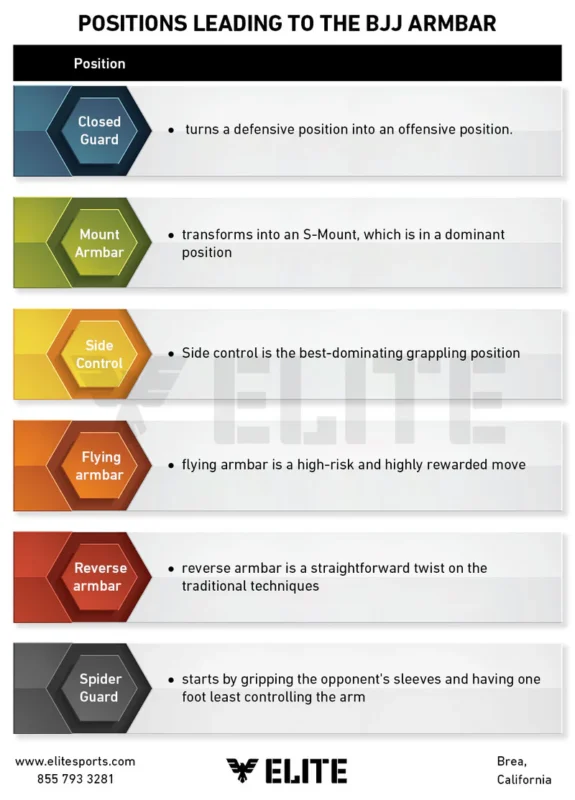
The armbar works from virtually any position. You can apply it from top positions like mount, side control, and standing. It also works from bottom positions including closed guard, half guard, and butterfly guard. This versatility is matched only by the guillotine choke.
NAGA Fighter emphasizes that BJJ’s principles of leverage and control let fighters hyperextend an opponent’s elbow joint. Your entire body and legs (your strongest part) control their upper body while your hips create extension force. This means smaller grapplers can armbar much larger opponents with proper technique. Understanding guard positions helps you see why armbars are so powerful—you control their posture while attacking limbs.
Armbar from Mount Position
The most fundamental variation starts from mount position.
Classic Mount Setup
NAGA Fighter describes that from mount, you keep your knees wide and control their arms. When they extend arms defending (common reaction), this creates your armbar opportunity.
Step-by-step execution:
- Control the elbow: When they post their hand, push their elbow. As they fight back, move your hand to the outside of their elbow and push it inside. Drop your chest on their arm.
- Knee to head: Lift their head off the mat and slide your far-side knee to the top of their head. Walk your knees up with your heel tucked tight.
- S-mount position: Slide your knee to the top of their head, straighten your leg, and curl your heel toward their head. Your body forms an “S” shape.
- Step over head: Hook their arm with your elbow, make your leg light by leaning toward your feet, post your hand on the mat, and step over their head.
- Finish: Sit back while squeezing your knees together, curl your heels toward the mat, hold their wrist with thumb up, and slowly lift your hips to tighten the armbar.
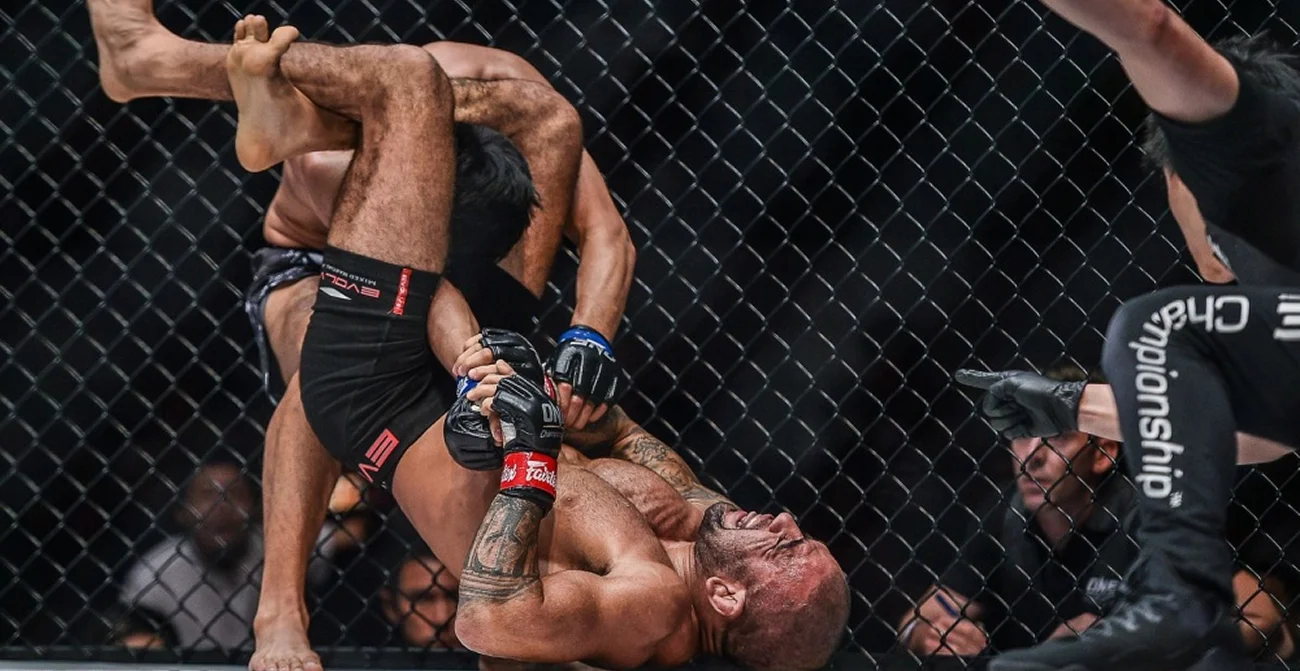
Functional Mount Armbar
Infighting teaches that this is how you armbar a skilled, athletic opponent who doesn’t want to tap. The key difference is isolating BOTH arms first before attempting the finish. Pin both arms before transitioning—this prevents defensive reactions and makes it higher percentage against skilled opponents.
Belly-Down Variation
Instead of falling back to finish, you fall forward (belly down). This makes escape highly improbable and applies a different angle of pressure that’s very difficult to defend.
Armbar from Closed Guard
The classic teaching method for beginners starts from closed guard.
NAGA Fighter describes this as the classic method. Start with your opponent in your guard, using collar grip and sleeve grip for two-point control. When they post their hands, you have your opportunity.
Execution steps:
- Control their arm: Grip outside their elbow and control the arm completely. If they try moving their grip, push against their arm.
- Break posture: Keep pulling down to maintain control of their posture and keep them close.
- Hip escape: Place your foot on their hip, move your hip out to capture their arm with your leg, move your hip back in, and get your other leg high on their back.
- Pivot perpendicular: You MUST be perpendicular to the arm you’re attacking. Push your foot against their hip, lift your hips off the mat, and pivot like a spinning top.
- Finish: Swing your leg around their head, squeeze your knees together, curl your heels toward the mat, grab their wrist with thumb up, and lift your hips slowly.
Infighting notes that the high closed guard armbar is their favorite variation. Win high closed guard position first—once you’re there, you’re well on your way to submission or sweep. This provides better angle for the armbar and more control over their posture.
Armbar from Back Control
Transitioning when choke attempts fail from back control.
NAGA Fighter explains that attacks from the back usually revolve around chokes, but when someone defends against chokes, they often open themselves up to armbars. You have back control and attempt a rear naked choke. As your opponent defends their neck aggressively, their arms go wide, creating the armbar opening.
Transition sequence:
- Seatbelt control: Maintain seatbelt grip, hold onto their hand, block with your forearm, and align your upper arm bone with their body.
- Kimura grip transition: Use kimura grip to hold their arm, move both feet to one side, clear your thigh away, and their back hits the mat.
- Finish: Make sure your angle is 90 degrees or less, hold their wrist to prevent it going low, keep their elbow flared up, move your legs over, lean toward their legs, squeeze knees, and lift.
According to Reddit BJJ discussion, if you have a good flowing submission game, the armbar from the back, triangle from the back, RNC, and various collar chokes should all flow together.
Armbar from Side Control and Other Positions
NAGA Fighter describes reaching for your opponent’s head from side control—when they resist and push your arm, shift your weight and rotate your right knee in the same spot. Once their arm is trapped, fall back. Even if their elbow escapes, your foot position applies pressure.
From butterfly guard, Infighting teaches to pull your hips in as you attempt your sweep. Maintain 2-on-1 control, attempt the sweep, and as they defend, pull your knees into your chest and snap your legs up for the armbar. This is a natural transition when sweeps are defended.
From half guard, you have multiple entries. For the pressing armbar, frame on their torso with your knee, bring your other knee against their neck, keep control of their arm, circle your foot over their shoulder, and finish. For the overhook armbar, win overhook position, move away from their head, invert bringing your knee over their neck, and finish with belly-down armbar.
Critical Armbar Details
Thumb position: The most important detail is that their thumb must point up toward the ceiling. If their thumb points down, they can rotate their elbow and escape. Thumb up prevents elbow rotation and makes defense much harder. This is non-negotiable.
Knee squeeze: Squeeze your knees tightly together to trap their arm in place. This prevents them pulling out and creates constant pressure. Curl your heels toward the mat and maintain continuous squeezing—lazy knees lose armbars.
Hip position: Their elbow must sit across your hips. Position your hips directly under their elbow, then lift your hips to create extension. Use slow, controlled pressure—don’t crank suddenly.
Perpendicular angle: You must be perpendicular (90 degrees or less) to their body. Staying parallel makes the armbar weak. Pivot to create proper angle—this is essential for leverage.
Common Armbar Mistakes
Wrong thumb position: When their thumb points down, it allows elbow rotation and easy escape. The armbar fails. Always check thumb position before finishing. Make thumb-up positioning a non-negotiable habit. This prevents 90% of escapes.
Loose knees: When your knees are too far apart, opponents can pull their arm out. Squeeze knees tightly together, curl heels to mat, and maintain constant squeezing pressure. Think “vice grip” with your legs.
Poor angle: Staying parallel instead of perpendicular provides insufficient leverage. The armbar feels weak and you can’t finish. You must pivot to 90 degrees perpendicular to their body. This creates proper leverage.
Cranking too fast: Sudden force can injure training partners and creates bad habits. NAGA Fighter teaches to slowly lift your hips off the mat to tighten the armbar. Use smooth, controlled pressure and give partners time to tap.
Defending the Armbar
NAGA Fighter describes the hitchhiker escape: when they fall back to execute the armbar, you need to act quickly. Point the thumb of your attacked arm toward your opponent, control their leg, bring your feet over their foot, and escape toward their back. Once your head reaches their back, you’re safe.
For hand position defense, remember that the best defense is prevention—don’t give them the arm. Keep your arms close to your body, don’t extend arms in mount or guard, fight for wrist control, prevent arm isolation, and manage your posture.
Training Armbar by Belt Level
White belts should master mount armbar first using the 6-step process, perfect thumb-up detail, learn proper pivot mechanics, practice knee squeeze, and understand safety with slow pressure. Resources about first BJJ class expectations help beginners understand submission progression.
Blue belts need to learn armbars from all positions including closed guard, side control, and half guard variations. Study Roger Gracie footage and practice both gi and no-gi. See blue belt development goals for structured armbar integration.
Purple and brown belts should chain armbars with other submissions, develop invisible setups, perfect finishing details, master all 28+ variations, and work on competition timing. NAGA Fighter emphasizes that drilling is not mundane—you drill to make sure your body knows exactly what to do when it’s time to execute in a live scenario.
Black belts focus on developing signature armbar game, teaching mechanics effectively, creating innovative setups, achieving competition mastery, and building teaching progressions.
Armbar in Competition
The armbar is the most successful submission in IBJJF competition for both gi and no-gi. It ends matches immediately, works from all positions, is legal at all belt levels, has high percentage when technical, and offers multiple setups.
In ADCC and submission-only formats, the armbar remains equally dominant. The same mechanics work in no-gi, it’s effective in overtime situations, Ronda Rousey used it as her Olympic and UFC weapon, and it’s championship proven across all major competitions.
For MMA applications, the armbar is extremely effective. Ronda Rousey won her UFC title with armbars, it works from guard (defensive position), finishes fights immediately, and appears commonly across all promotions.
Conclusion
From Roger Gracie’s mount armbars finishing world champions to Ronda Rousey’s Olympic and UFC dominance, the armbar represents grappling’s most fundamental yet successful submission. What makes it special isn’t complexity—it’s the simple principle of using your entire body and legs to control one isolated arm.
Whether you’re attacking from mount, guard, or back control, the armbar provides the most versatile submission in BJJ. Master the basics, execute with precision, and you can finish anyone. For more techniques, check out our complete technique section and BJJ belt system guide.