

Spider Guard Mastery: Powerful BJJ Gi Control System
By BJJ Sportswear Editorial Team
Reviewed by competitive black belts specializing in spider guard systems | Last Updated: January 29, 2026
The spider guard is BJJ’s most powerful gi-specific guard. You use sleeve grips and feet on the biceps to control your opponent’s upper body. Spider guard creates sweeps, submissions, and transitions. It works from white belt to world championship level.
Evolve MMA’s analysis explains the spider guard clearly. You place your feet on your opponent’s biceps. This blocks the upper body. You hold the sleeves to control posture. This guard has proven its worth in high-level competition.
BJJ Fanatics emphasizes that world-class grapplers use spider guard successfully . Romulo Barral, Rubens Charles, Rafael Lovato Jr., Michael Langhi, and Renzo Gracie all used spider guard in IBJJF matches . The spider guard is more than just a position . It’s a complete system .
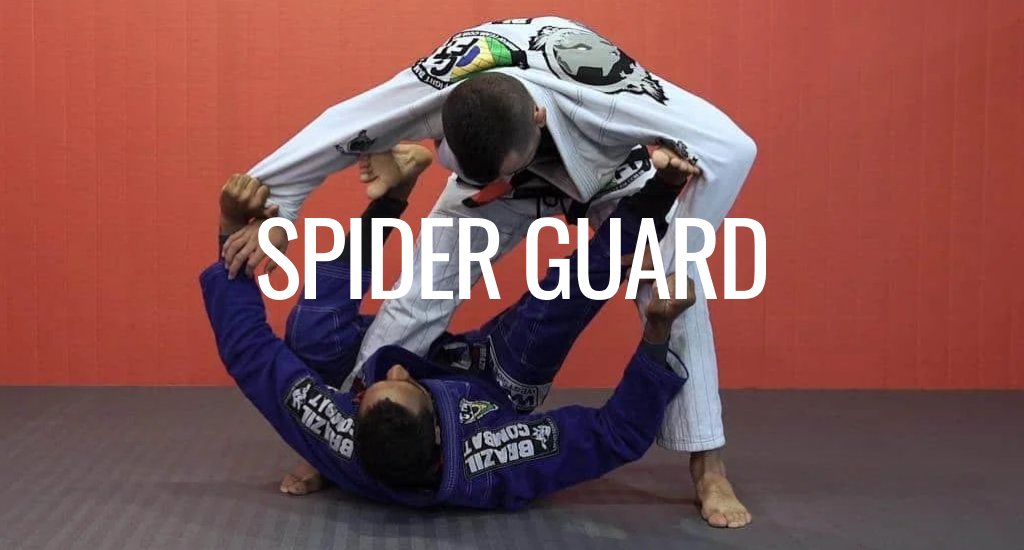
Table of Contents
What Is the Spider Guard?
The spider guard is simple. You secure grips on both sleeves. Then you place one or both feet on the biceps.
Core mechanics:
- Sleeve grips on both arms
- Feet on opponent’s biceps
- Foot control blocks upper body
- Sleeve control changes posture
- Separates arms from body
- Body shifts to one side
- Platform for attacks
BJJ Fanatics explains how it works . Your feet block the upper body . Your sleeve grips control posture . This creates great control for sweeps and submissions .
Understanding what is guard in BJJ helps you see why spider guard works so well. You control their arms completely. You control their posture. This stops passes and creates attacks.
History and Development
BJJ Fanatics describes the spider guard as a defensive weapon against bigger opponents .
Helio and Carlos Gracie created it early on. They stepped on the hip with their foot in the bicep. They used it for triangle submissions first. Judo also used it in the 1940s for takedowns. Natural growth happened in 1980s BJJ.
Renzo Gracie first used spider guard in competition against heavy opponents. Mauricio “Tinguinha” Mariano developed early spider guard systems. He saw it as natural growth from closed guard.
BJJ Fanatics notes Mauricio’s view . This guard is more than a position . It’s a system all athletes need to learn .
Modern champions proved its power. Michael Langhi is famous for his guard. Romulo Barral, Rafael Lovato Jr., Rubens “Cobrinha” Charles, Keenan Cornelius, and “Masa” all excelled with it.
Entering the Position
Evolve MMA teaches Rafael Lovato Jr.’s simple spider guard entry. Start from closed guard. Grip the sleeves.
Step-by-step entry:
- Establish grips: Start in closed guard. Secure sleeve grips on both arms. Control wrists firmly.
- Open guard: Open your guard. Place knees inside. Position between their elbows.
- Enter position: Choose a side. Place foot on opponent’s bicep. Extend leg.
- Body shift: Your body shifts toward extended leg. Don’t fight this shift. Keep your guard tight. Separate their arm from their body.
- Switch sides: Place other foot on opposite bicep. Step on the first one. Your body shifts to other side. Great drill for beginners.
BJJ Fanatics notes no-gi works too . Use wrist grips instead of sleeve grips . Same foot placement. Same mechanics. Same attacks. Less common but still works.
Essential Movements
Evolve MMA emphasizes learning key movements. Once you get the spider guard, you must retain it.
Five core movements:
Side switching: Switch extended leg side to side. Your body shifts naturally. This keeps control during transitions. Basic retention drill.
Hip lifting: Lift hips inside this position. Key for triangle choke attacks. Creates submissions. Essential skill.
Reverse shoulder rolls: Great for sweeps needing rolls. Like balloon sweep. Recovery technique. Advanced retention.
Grip breaking and lasso entry: Key for entering lasso variation. Loop leg on opponent’s arm. Very controlling. Many attacks.
Granby rolls: Great for guard recovery. Works in many positions. Advanced skill. Retention under pressure.
Key Sweeps
Kite Sweep
Evolve MMA teaches the basic spider guard sweep. Kris Kim’s kite sweep is like the scissor sweep.
Extend leg into opponent’s bicep. This breaks their balance. Underhook their opposite leg. You can also grip gi pants. Use leverage to push them in the extended leg direction. Push opponent down toward mat. Use leg grip to lift and circle leg down. Force their back onto mat. Move to side control. Works up to black belt level.
Double Ankle Sweep
BJJ Fanatics describes this sweep . When opponent steps too close, act fast . Let go of wrist controls. Cup back of both ankles .
Opponent places both feet toward your hips. They try to shake off arm control. They step too close. Let go of wrist controls. Cup both ankles. Switch foot from bicep. Push both feet into their hips. Lift ankles upward. This forces them flat. Keep holding ankles. This stops scramble. Direct feet away from body. Move into control.
Balloon Sweep
BJJ Fanatics teaches the balloon sweep . When opponent leans too far, slip both feet into their hips .
Both feet slip into hips. Pull wrists backward. Extend feet straight up. This lifts opponent off mat. Kick them to side. Jump to side control. Or roll over shoulder. Kick over head. Follow path landing in mount. Big sweep with many finishes.
Key Submissions
Triangle Choke
BJJ Fanatics describes the triangle setup . Flare opponent’s elbow with your control . Step on hip with other leg .
Flare opponent’s elbow. Use your control leg. Step on hip with other leg. Use foot on hip to lift your hips. This gives better clearance. Your control leg shoots over neck. Secure triangle choke. Bait with sweep first. Wait for post. Then shoot triangle.
Omoplata
BJJ Fanatics teaches the omoplata from spider guard . It’s simple and effective .
For standing opponent setup, place one foot on hip. Use control leg to extend their arm away. Slide hip foot up behind their arm. Over front of shoulder. Catch omoplata.
For lasso variation, control one bicep. Lasso grip with other leg. Flare opponent’s elbow. Release sleeve grip. Regrip opposite collar. Lasso side. Still apply pressure with foot. Kick lasso leg through. Enter omoplata. Since omoplata sweeps OR submits, this works great.
Armbar
Michael Langhi’s armbar uses this position well. Swivel body perpendicular to opponent. Break grip on far pant leg. Pull sleeve onto your rib. Swing free leg over head. Secure armbar. Failed sweep leads to submission series. Usually starts with triangle.
Key Transitions
BJJ Fanatics notes this control forces hasty decisions .
To back control: Use your control on bicep. Switch grips. Use cross grip on wrist. This opens entry toward back. Use hook around outside of hip. Find entry into back take. Berimbolo and crab rides work too.
To other guards: Lasso guard comes easy from this position. X-Guard works from your control. De La Riva is natural companion. Bait opponent into wrong step. This creates switch chances. These transitions make defense very hard.
Passing and Defense
BJJ Fanatics teaches passing concepts . Great posture is key to passing spider guard .
Core defense:
Proper posture: Don’t stand upright. Lower body into squat. Use strong base. Upset control positions.
Upset leverage: Pull elbows back into your body. This stops opponent from getting control. Prevents foot on bicep.
Step backwards: Stepping forward helps sweeps. Stepping back makes them reach more. This cuts their range. Don’t lower onto knees. That’s easier to sweep.
Break grips: Let go of your grips on opponent’s pants first. Circle arm underneath leg. On outside. Push through onto inside of leg. This creates leverage. Forces grip to break.
Training by Belt Level
White and blue belts start with basics. Master basic entry from closed guard. Practice five key movements. Learn kite sweep first. It’s easiest. Build proper body shifting. Understand grip control. Evolve MMA emphasizes drilling both sides. Don’t take shortcuts.
Purple and brown belts build complete systems. Master all major sweeps. Perfect triangle and omoplata entries. Study Michael Langhi footage. Build lasso guard variations. Practice transitions to DLR and X-Guard. Chain submissions together.
Black belts focus on mastery. Build signature sequences. Teach basics effectively. Perfect invisible adjustments. Create new combinations. Master both standard and lasso variations.
Competition Strategy
Spider guard dominates gi competition. It gives gi-specific control through sleeve grips. It creates sweep chances worth 2 points. It opens submission attacks. It works against all sizes. It’s legal at all belt levels. Champions like Michael Langhi prove its power at top levels.
Combined with De La Riva, this creates complete gi control. DLR controls lower body with leg hooks. This position controls upper body with arm control. Flow between both creates unstoppable systems. Transitions are smooth. Opponent can’t defend both at once. This combination is the base of modern gi guard play.
Conclusion
From the Gracie family to Michael Langhi’s guard, spider guard represents gi BJJ’s best upper body control system. What makes it special isn’t complexity. It’s the simple idea of controlling sleeves and placing feet on biceps. This dominates posture and creates attacks.
Mauricio “Tinguinha” Mariano built this as a complete system. Not just a position. Michael Langhi proved it works against world champions. Forty years from now, gi grapplers will still use this technique. The control ideas are timeless.
This position proves a key BJJ truth. People of all ages and body types can use it well. It doesn’t need significant strength. It doesn’t need explosiveness. Simple mechanics, practiced consistently, create championship guards.
Whether you’re combining this with DLR, attacking triangles, or sweeping to mount, this gives complete gi control at every level. For more techniques, check our complete technique section and BJJ belt system guide.