

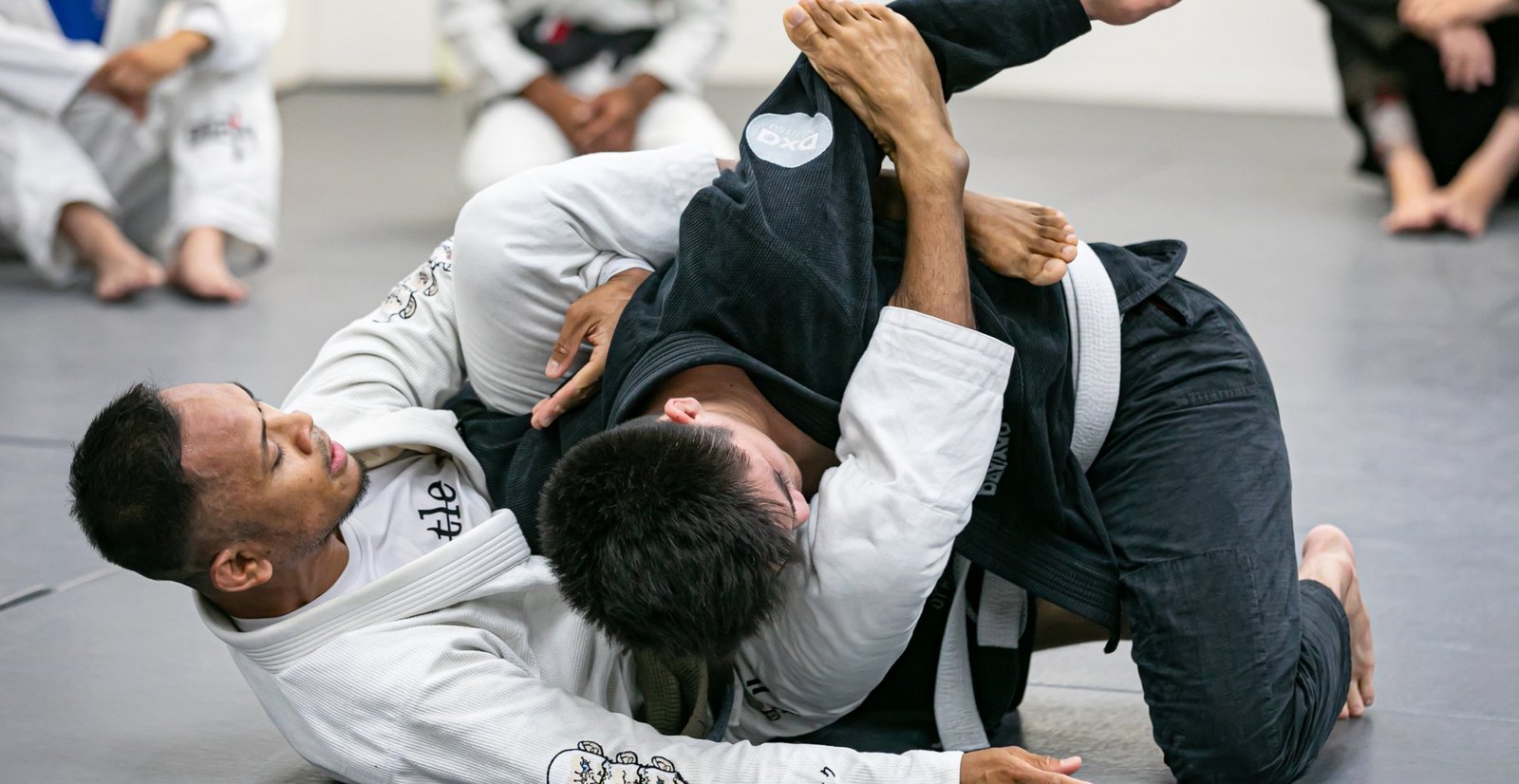
Brazilian Jiu Jitsu Classes: Complete Beginner’s Guide (2026)
By BJJ Sportswear Editorial Team
Reviewed by black belt instructors with 15+ years teaching experience | Last Updated: January 14, 2026
Starting Brazilian Jiu Jitsu Classes can feel intimidating.You might worry about fitness, gear, getting hurt, or looking clueless. The truth is most gyms are used to beginners. If you show up with a good attitude and a simple plan, you will be fine.
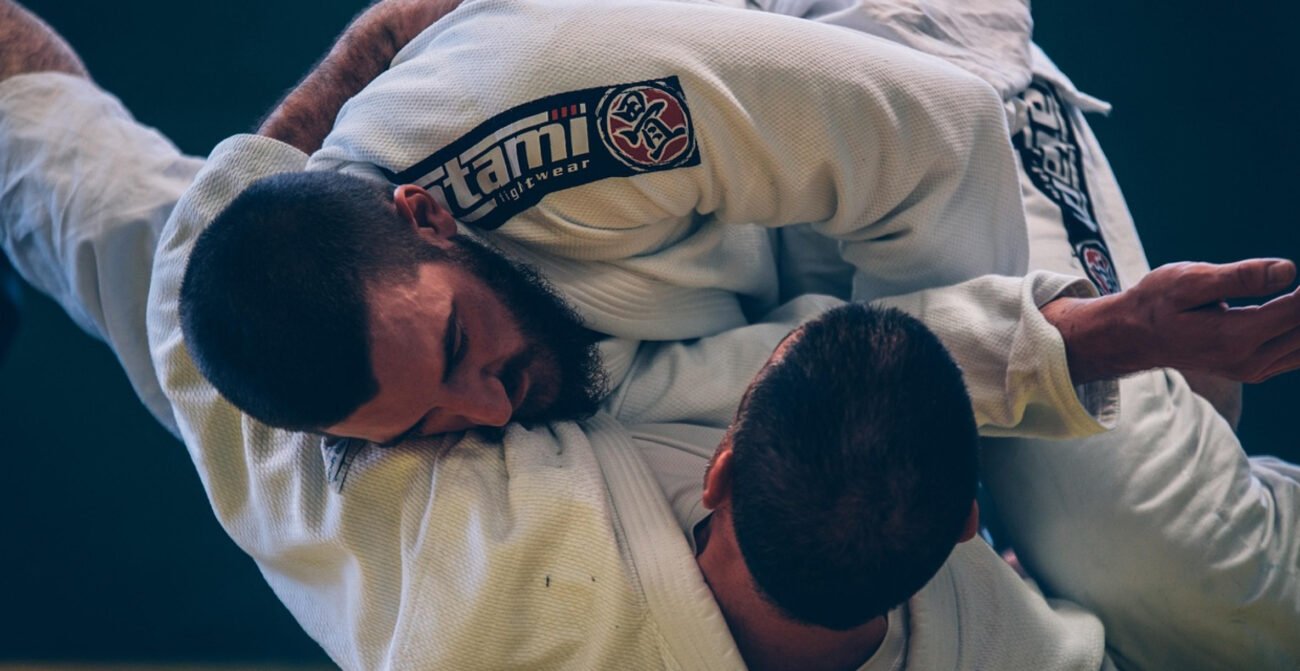
Table of Contents
Quick answer
Brazilian Jiu Jitsu Classes are usually 60–90 minutes.
Most classes follow a pattern: warm-up, technique, drilling, and optional sparring.
If you want the smoothest start, try 2–3 beginner-friendly classes per week for 90 days.
What happens in Brazilian Jiu Jitsu classes?
A typical session has four parts.
Not every gym runs them the same way, but the structure is similar.
1) Warm-up
Warm-ups are usually movement drills.
Think shrimping, rolls, hip escapes, technical stand-ups, and light partner movement.
Some gyms keep warm-ups short.
Others use them as conditioning.
2) Technique
This is the teaching part.
The coach shows a position, the key details, and common mistakes.
Good coaches also explain why a move works.
3) Drilling
Drilling is where learning happens.
You repeat the move with a partner and get small corrections.
If you want faster progress, treat drilling like the main event.
4) Sparring (rolling)
Sparring is usually the last part of Brazilian Jiu Jitsu Classes.
Some gyms let beginners roll on day one.
Others wait a few classes or start with positional sparring.
If you’re new, you can always ask to sit out a round.
Types of Brazilian Jiu Jitsu classes you’ll see
Most academies offer more than one type of class.
Knowing the options helps you pick the right start.
Fundamentals / beginner classes
These focus on core positions, escapes, and basic submissions.
If you are brand new, prioritize these Brazilian Jiu Jitsu Classes.
All-level classes
All levels train together.
Beginners can still learn a lot, but you may feel behind at first.
Gi classes
Gi classes use the uniform (gi).
Grips matter more, and the pace can feel more methodical.
No-gi classes
No-gi uses rash guards and shorts.
It often feels faster and more scramble-heavy.
If you’re unsure which you’ll like, read our breakdown of gi vs no-gi.
Competition classes
These are higher intensity.
They often include more sparring, specific rounds, and competition-style pacing.
New students can attend, but it’s usually smarter to build a base first.
What to wear to Brazilian Jiu Jitsu classes
For gi BJJ classes, you need a gi and a belt.
For no-gi jiu-jitsu classes, you usually need a rash guard and grappling shorts.
If you don’t own gear yet, many gyms let you borrow a gi for a trial.
If you want a deeper gear checklist, read our guide on essential BJJ sportswear and gear.
Hygiene basics (non-negotiable)
Clean gear matters.
Shower after training, cut your nails, and wash your gi and rash guard every session.
If you want to reduce skin infection risk, read our article on preventing ringworm and staph in BJJ.
What to expect as a beginner (first 30 days)
Most beginners improve in small steps.
Here is a realistic timeline for Brazilian Jiu Jitsu Classes.
Week 1
Everything feels new.
Your goal is simple: learn how the room works.
Week 2
You start remembering names of positions.
You can do basic movements without thinking as much.
Week 3
You begin to recognize patterns.
You might hit a basic escape or guard recovery during live rounds.
Week 4
You will still get tapped.
But you should feel less panicked and more calm in bad spots.
If you want a detailed first-day breakdown, our first class beginner guide explains what happens step by step.
How often should you take Brazilian Jiu Jitsu classes?
For most adults, 2–3 Brazilian Jiu Jitsu Classes per week is a great start.
It gives you enough repetition without burning out.
As your body adapts, you can add more.
For general health, the CDC notes that adults should get at least 150 minutes of moderate-intensity activity per week and do muscle-strengthening activities on 2 or more days per week.
If you want the official document behind those recommendations, the U.S. Office of Disease Prevention and Health Promotion hosts the Physical Activity Guidelines for Americans.
How to find good Brazilian Jiu Jitsu classes near you
The best class is the one you will attend.
Start by searching close to home or work.
If you’re stuck, read our guide on BJJ near me.
You can also use our checklist to choose the best BJJ close to you.
A simple gym checklist
Look for these signals during your trial:
- Clean mats and clear hygiene rules
- A structured fundamentals program
- Safe training culture (no ego, no bullying)
- Coaches who can explain details to beginners
- A schedule you can actually follow
Belt levels and progression (what classes usually mean)
Belts are not just time served.
They reflect skill, consistency, and coach standards.
The IBJJF publishes a graduation system that lays out belt/degree structures and related guidance.
If you’re curious about progression, our BJJ belt system guide breaks it down.
How sparring works (and how to stay safe)
Rolling is where you test what you learn.
It is also where beginners make avoidable mistakes.
Safety rules that matter
Use these rules in every one of your Brazilian Jiu Jitsu Classes:
- Tap early and tap often
- Don’t rip submissions
- If you don’t know a leg lock rule, don’t do it
- Breathe and move slowly when you’re stuck
- Ask higher belts to flow roll if you’re overwhelmed
If you want extra safety detail, read our guide on heel hook safety.
How much do Brazilian Jiu Jitsu classes cost?
Pricing varies by city, gym reputation, and what is included.
Some gyms charge month-to-month.
Others use contracts.
For a deeper breakdown, see our article on how much BJJ classes cost.
A simple 90-day plan for Brazilian Jiu Jitsu classes
If you want a plan that works, keep it simple.
Weeks 1–4: Learn the room
Attend 2–3 Brazilian Jiu Jitsu Classes per week.
Focus on survival, basic escapes, and one guard.
Weeks 5–8: Build one “A game”
Pick one position you hit often.
Example: closed guard or side control.
Add one sweep, one submission, and one escape.
Weeks 9–12: Pressure test
Start more rounds from the position you’re learning.
Ask your coach for one correction per class.
If you want basics on core attacks, our technique guides cover the armbar, the kimura, and the triangle choke.
Special class options (kids, women, privates)
Not every academy runs the same schedule.
If you are comparing gyms, these options can matter a lot.
Kids and teen programs
Kids classes are usually shorter and more game-based.
A good kids program emphasizes safety, clear rules, and coaches who can manage energy.
If you are a parent, ask how the gym groups kids by age and size.
Women’s classes
Some gyms offer women-only sessions.
These can help new students feel more comfortable, especially early.
If a gym has women’s Brazilian Jiu Jitsu Classes, it can also be a sign of a healthy, inclusive culture.
Private lessons
Private lessons can speed up learning because you get direct feedback.
They are also more expensive than group sessions.
If you can only afford one or two, use them to fix a specific problem you keep running into.
Red flags to watch for
Most gyms are good.
Still, watch for these issues during your trial.
- No beginners path, and you are thrown into hard sparring immediately
- Dirty mats, no hygiene rules, or students training with obvious skin infections
- Coach encourages “winning” at all costs, instead of safe learning
- No clear schedule or constant last-minute cancellations
If you see multiple red flags, keep looking for better Brazilian Jiu Jitsu Classes.
FAQ
Are Brazilian Jiu Jitsu classes good for self-defense?
Yes, especially when the gym trains positioning, escapes, and control under resistance.
If that is your goal, read our guide on BJJ for self-defense.
Should I start with gi or no-gi?
Start with whichever schedule you can follow.
If you can only train two days per week, consistency matters more than style.
Do I need to be in shape before I start?
No.
Most people get in shape by attending Brazilian Jiu Jitsu Classes consistently.
Final thoughts
If you are looking for Brazilian Jiu Jitsu Classes, your best move is to try two gyms.
Pick the one with the best culture and the best schedule for your life.
Then commit for 90 days.
If you want background on where grappling arts come from, Britannica describes jujitsu as a martial art that uses holds and throws to subdue an opponent.