Brazilian Jiu Jitsu Classes: Complete Beginner’s Guide (2026)
By BJJ Sportswear Editorial Team
Reviewed by black belt instructors with 15+ years teaching experience | Last Updated: January 14, 2026
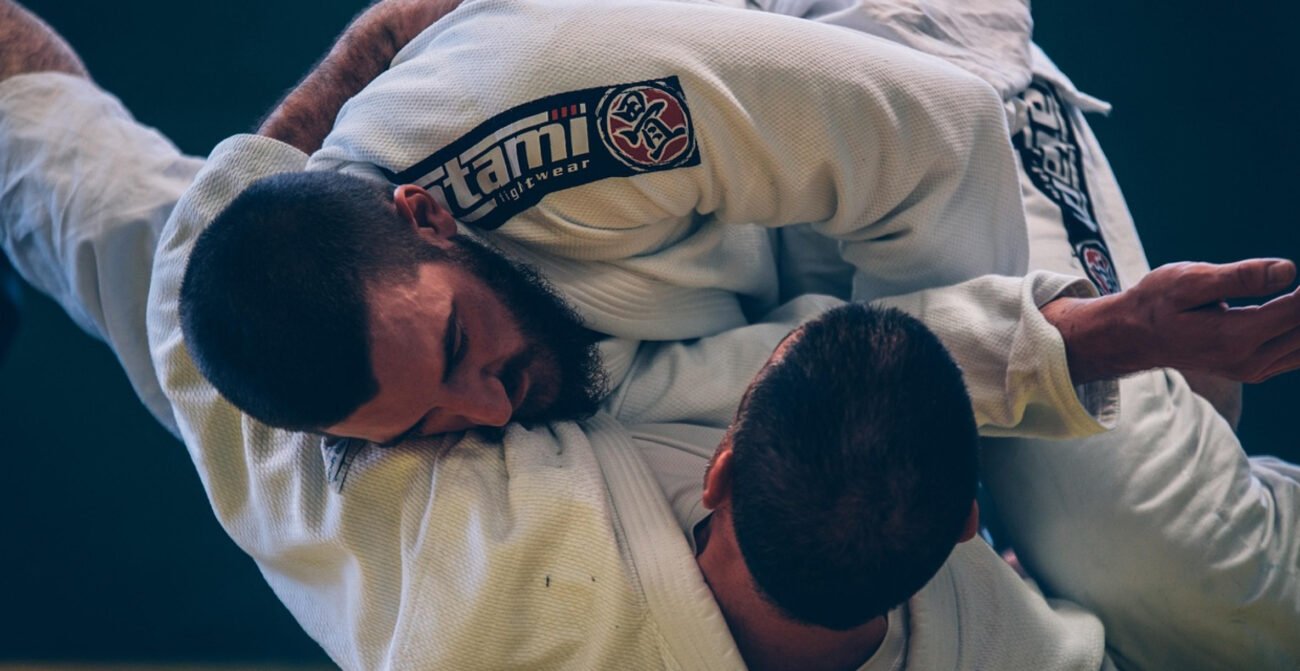
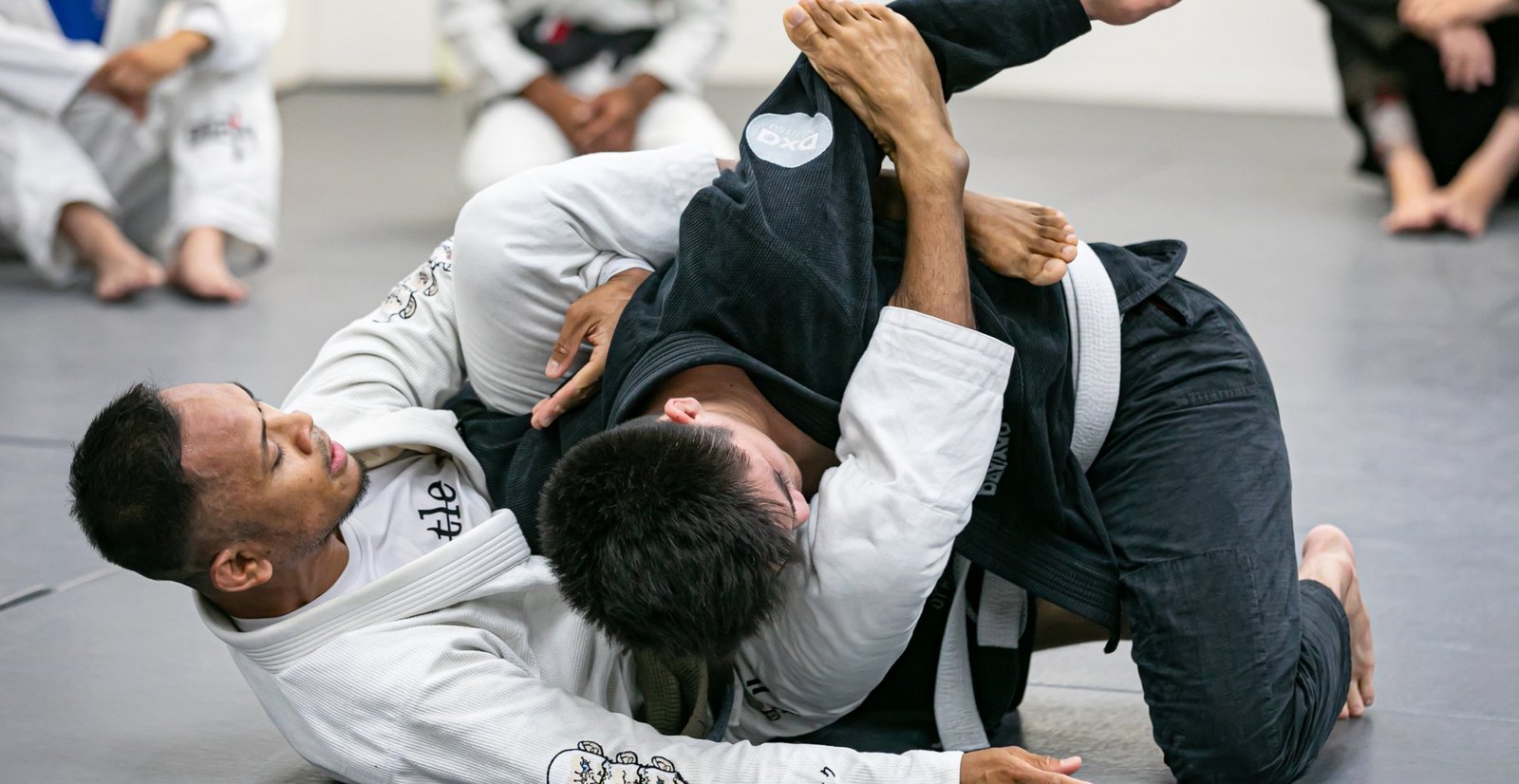
Brazilian Jiu Jitsu classes typically last 60-90 minutes and follow a structured format: warm-up with movement drills and stretching (10-15 minutes), technique instruction and partner drilling (20-30 minutes), and live rolling/sparring where students apply techniques against resisting opponents (15-30 minutes), followed by cool-down and Q&A.
Classes cost an average of $161-$195 per month in the United States (ranging from $100-$300 depending on location, with New York averaging $236/month and Florida $147/month), with most gyms offering unlimited training options and beginner-friendly fundamentals programs focused on core positions like closed guard, mount, side control, and basic submissions. Beginners should train 2-3 times weekly to build fundamental skills without overwhelming the body, gradually increasing frequency as conditioning and technique improve toward blue belt level.​
Kioto BJJ explains: “A typical BJJ class involves warm-ups to prepare the body, technique instruction where the coach demonstrates moves, drilling to practice with a partner, and live rolling where students spar and apply techniques in real-time”. Guto Campos BJJ recommends: “For beginners, 2-3 sessions per week is the sweet spot—this allows you to absorb fundamental techniques without overwhelming yourself while building endurance and reducing overtraining risk”.​
This guide covers typical BJJ class structure, what to expect in your first class, how to choose the right gym or school, class costs and membership options, training frequency recommendations, gi vs. no-gi class differences, and answers to common beginner concerns about starting your BJJ journey.

Table of Contents
Typical BJJ Class Structure
Warm-Up (10-15 Minutes)
GB Riverton describes: “Most BJJ classes start with a warm-up—light jogging, stretching, and movement drills like shrimping and bridging to prepare your body and prevent injury”.​
Common warm-up activities:
General conditioning:
- Light jogging around the mat (2-3 minutes)
- Jumping jacks, burpees (cardiovascular preparation)
- Dynamic stretching (arm circles, leg swings, hip rotations)
- Partner-assisted stretching
BJJ-specific movements:
- Shrimping (hip escape) – fundamental movement for side control escape
- Bridging – explosive hip movement for mount escape
- Forward/backward rolls – breakfall practice and mobility
- Technical stand-ups – getting up safely from ground
Animal movements:
- Bear crawls (shoulder and core strength)
- Crab walks (hip mobility)
- Lizard crawls (coordination)
- Sit-throughs (core rotation)
Kioto BJJ notes: “Warm-ups prepare the body for the physical demands of training and help prevent injuries—expect to break a sweat before techniques even start”.​
Why warm-ups matter:
- Increases blood flow to muscles
- Prepares joints for grappling movements
- Develops BJJ-specific movement patterns
- Builds cardiovascular base
- Reduces injury risk
Technique Instruction and Drilling (20-30 Minutes)
How BJJ Works explains: “The instructor will demonstrate a technique, often multiple times and from different angles—students then drill the technique with a partner, performing 20-30 repetitions to develop muscle memory”.​
Instruction format:
Demonstration phase (5-10 minutes):
- Instructor demonstrates technique slowly
- Shows key details and common mistakes
- Demonstrates from multiple angles
- Students watch from circle around instructor
- Questions answered after demonstration​
Drilling phase (15-20 minutes):
- Students pair up (similar size/experience when possible)
- Partner A performs technique on Partner B
- 10-15 reps, then switch
- Repeat both sides
- Instructor circulates, provides feedback
Common beginner techniques taught:
Fundamental positions:
- Closed guard – guard player wraps legs around opponent
- Mount position – top control, opponent on back
- Side control – chest-to-chest control from side
- Back control – hooks in from behind
Basic escapes:
- Mount escape (bridge and roll, elbow escape)
- Side control escape (hip escape/shrimp)
- Back escape (clearing hooks)
Fundamental submissions:
- Rear naked choke – from back control
- Armbar – from mount or guard
- Triangle choke – from guard
- Guillotine choke – front headlock
- Kimura – shoulder lock
Basic attacks:
- Guard passing fundamentals
- Takedowns (double leg, single leg)
- Sweeps from guard
Reddit r/bjj consensus: “Don’t be aggressive during drilling—go slow, focus on the details, and ask questions if you’re unsure about anything after the demonstration”.​
Live Rolling/Sparring (15-30 Minutes)
How BJJ Works describes: “Rolling is controlled sparring with resistance—it’s where you apply techniques learned in drilling against a resisting opponent in real-time”.​
Rolling structure:
Rounds format:
- Typically 5-6 minute rounds
- Brief rest between rounds (30-60 seconds)
- 3-5 rounds total
- Rotate partners each round
Beginner considerations:
- First-timers may watch instead of rolling​
- Light positional sparring (starting from specific position)
- Paired with experienced students who go easy
- Focus on survival, not winning
Safety mechanisms:
Tapping:
- Tap partner’s body (2-3 times firmly)
- Tap the mat if can’t reach partner
- Verbal tap (“tap” or “stop”)
- Partner immediately releases
- Tap early and often as beginner​
Rolling etiquette:
- Match partner’s intensity
- Controlled movements (not spastic)
- Protect yourself and partner
- Reset if position becomes dangerous
- Respect the tap (yours and theirs)
- Lots of confusion (normal!)
- Rapid submission (expected)
- Exhaustion (BJJ is cardio-intensive)
- Flailing and tensing up (everyone does it)
- Gradual improvement each class
Cool Down and Q&A (5-10 Minutes)
Unlock Art describes: “Classes end with cool-down stretching and Q&A time where students can ask questions about techniques or training”.​
Cool-down activities:
- Light stretching (focus on hips, shoulders, back)
- Static holds (increasing flexibility)
- Breathing exercises (recovery)
- Technique review (recap key points)
Q&A opportunities:
- Ask about techniques demonstrated
- Clarify confusing details
- Get advice on training frequency
- Discuss belt progression
What to Expect in Your First BJJ Class
Before Class Begins
- Arrive 10-15 minutes early
- Introduce yourself to instructor
- Mention it’s your first class
- Ask where to change, store belongings
- Fill out waiver/registration forms
- Remove shoes before stepping on mat
- Bow when entering/leaving mat (respect tradition)
- No shoes or street clothes on mat
- Bring water bottle (hydration crucial)
- Wear sandals to bathroom
What to wear (first class):
- Athletic shorts (no pockets, no zippers, no metal)
- T-shirt or athletic shirt (will get pulled/stretched)
- No jewelry, watches, piercings
- Short fingernails and toenails (safety)
- Clean training clothes
Reddit r/bjj advice: “No shoes on the mat—leave them at the edge, this is a universal rule in BJJ and shows respect for the training space”.​
During Your First Class
Mental preparation:​
You will feel confused:
- Techniques seem complex (they are!)
- Can’t remember all the steps (normal)
- Feel overwhelmed (everyone does)
- Don’t understand positions (takes time)
How BJJ Works reassures: “Expect to be confused—BJJ has a steep learning curve and you won’t remember everything from your first class, which is completely normal”.​
Physical challenges:
- Extreme cardio demand (unlike anything else)
- Muscle soreness next day (used muscles you didn’t know existed)
- Feeling weak (strength doesn’t help as much as technique)
- Getting submitted repeatedly (learning experience)
GB Riverton notes: “Don’t try to use strength or go hard—stay relaxed, focus on learning, and remember everyone was a beginner once”.​
Behavioral guidelines:​
DO:
- Ask questions after demonstration
- Go at your own pace
- Tap early and often
- Stay relaxed and breathe
- Be respectful to training partners
- Focus on learning, not winning
DON’T:
- Talk during instructor demonstration
- Use excessive strength or aggression
- Ignore safety (tap when caught)
- Compare yourself to others
- Get discouraged (progress takes time)
- Skip hygiene (shower before class, clean gi)
Basic Positions You’ll Learn
Diaz Combat Sports explains: “You’ll learn fundamental positions like guard, mount, and side control—these are the building blocks of all BJJ techniques”.​
First positions taught:
- Bottom position, legs wrapped around opponent
- Control distance and posture
- Reference: What is Guard in BJJ? for complete concept
- Top position, sitting on opponent’s chest
- Dominant control position
- Worth 4 points in competition
- Chest-to-chest control from side
- Transitional position
- Escaping side control is fundamental skill
- Hooks in from behind opponent
- Most dominant position (4 points + back exposure)
- Primary finishing position
As you progress, you’ll learn:
- Open guard variations
- Spider guard control systems
- Butterfly guard sweeping
- Advanced positions and transitions
How to Choose the Right BJJ Gym/School
Instructor Qualifications and Lineage
GB Studio City emphasizes: “An academy’s lineage and the credentials of its instructors are crucial—verify your instructor is a legitimate black belt, not someone who bought their rank”.​
What to verify:
Legitimate rank:
- Instructor is black belt in BJJ
- Can trace lineage to Gracie family or recognized source
- Displays certificates on wall
- Reference: Why You Should NEVER Buy a BJJ Black Belt explains rank legitimacy
Teaching experience:
- Years teaching BJJ (not just training)
- Clear communication style
- Patient with beginners
- Structured curriculum (not random techniques)
Competition/training background:
- Competition experience (IBJJF, ADCC, etc.)
- Continues training/learning
- Brings outside knowledge to academy
- Network of training partners
Teaching style:
- Welcoming to beginners​
- Answers questions thoroughly
- Demonstrates techniques clearly
- Provides individual attention
Class Structure and Curriculum
GB Studio City states: “Make sure the academy offers beginner-specific programs—a structured fundamentals curriculum ensures you build a solid foundation rather than learning random advanced techniques”.​
Beginner program features:
Fundamentals classes:
- Separate class for white belts
- Systematic curriculum (not random)
- Focus on core positions and escapes
- Clear progression path to blue belt
Class schedule:
- Multiple class times daily
- Morning, lunch, evening options
- Weekend classes available
- Flexibility for your schedule
Program variety:
- Gi and no-gi classes (learn both)
- All-levels classes (after fundamentals)
- Advanced classes (future progression)
- Open mat sessions (free training)
Structured progression:
- Regular promotions and belt tests
- Stripe system showing progress
- Clear requirements for each belt
- Reference: BJJ Belt System explains complete progression
Student-to-Instructor Ratio and Attention
Dragon Gym notes: “You don’t want to be just a face in the crowd—look for academies where the instructor knows your name and can provide individual attention during drilling”.​
Optimal ratios:
- 15-20 students per instructor (ideal)
- 25-30 students maximum (still manageable)
- 40+ students (impersonal, limited feedback)
Signs of good attention:
- Instructor circulates during drilling
- Corrects your technique individually
- Remembers your name by 2nd-3rd class
- Answers questions after class
- Tracks your progress
Assistant instructors:
- Upper belts help with instruction
- More eyes on students
- Better individual feedback
- Healthier learning environment
Academy Culture and Student Body
Dragon Gym emphasizes: “The academy culture is a reflection of the instructor’s character—observe how students treat each other, especially during rolling, to gauge whether the environment is supportive or overly competitive”.​
Positive culture indicators:​
Welcoming environment:
- Students introduce themselves
- Higher belts help beginners
- Friendly atmosphere before/after class
- No excessive ego or aggression
Healthy competition:
- Students challenge each other respectfully
- Training is intense but controlled
- No “smashing” new students
- Supportive rather than intimidating
Diverse student body:
- Mix of ages (20s-50s+)
- Men and women training together
- All belt levels present (white through black)
- Long-term students (retention indicator)
GB Studio City notes: “A healthy mix of belt ranks from white to black indicates students are progressing and staying long-term—if you only see white and blue belts, retention may be an issue”.​
Red flags:
- Cult-like atmosphere
- Excessive bowing/formality
- Instructor demands worship
- Students don’t seem to enjoy training
- High student turnover
Facility Quality and Cleanliness
Dragon Gym lists facility requirements: “Fully matted training area with thick grappling-appropriate mats, clean facilities with daily mat disinfection, separate changing rooms, and adequate parking”.​
Essential facility features:
Training area:
- Fully matted (wall-to-wall)
- Thick mats (at least 1.5 inches for takedowns)
- No gaps or exposed floor
- Adequate space (not cramped)
- Good ventilation/air conditioning
Cleanliness:
- Mats cleaned daily (minimum)
- Disinfected after each class (ideal)
- No odor or visible dirt
- Clean bathrooms and changing rooms
- Shower facilities (bonus)
Safety:
- No exposed corners or hazards
- Padded walls (if applicable)
- First aid kit available
- Clear emergency exits
Amenities:
- Separate changing rooms (men/women)
- Lockers or storage
- Water fountain or bottle refill
- Retail area (gis, equipment)
- Waiting area for guests
Location, Schedule, and Membership Options
GB Studio City recommends: “Choose an academy that’s convenient to your home or work with a schedule that fits your lifestyle—the best academy is the one you’ll actually attend consistently”.​
Location considerations:
- Within 15-20 minutes of home/work
- Easy parking or public transit access
- Safe neighborhood
- Convenient for 2-3x weekly training
Schedule flexibility:
- Multiple class times (morning, noon, evening)
- Weekend options
- Open mat sessions
- Make-up class policy
Trial options:
- Free trial class (most gyms offer)
- Week trial pass (test multiple classes)
- No pressure sales tactics
- Time to decide before committing
BJJ Class Costs and Membership Options
Average Monthly Membership Costs
Grapple Tactics reports based on 58 gyms surveyed: “BJJ classes cost between $161 and $195 per month on average, depending on membership tier—unlimited classes with no contract cost more, while limited classes with long-term contracts cost less”.​
| State | Unlimited (Highest Tier) | Limited (Lowest Tier) |
|---|---|---|
| New York | $236/month | $181/month |
| California | $211/month | $170/month |
| Texas | $184/month | $163/month |
| Florida | $147/month | $129/month |
| National Average | $195/month | $161/month |
White Belt Club notes: “Elite competition academies like Atos and B-Team charge $250-$300 monthly, while large franchises like Gracie Barra tend toward $195-$250+ in prime locations, and independent gyms have more flexibility at $100-$150”.​
| Academy Type | Monthly Cost | Per-Class Cost |
|---|---|---|
| Local/Independent | $100-$200 | $15-$25 |
| Mid-Tier/Regional | $200-$300 | $20-$30 |
| Elite Competition | $300-$500 | $30-$50 |
Membership Tier Options
Common membership structures:​
Unlimited training:
- Train as many classes as you want
- Month-to-month (cancel anytime)
- Highest monthly cost ($195-$300)
- Best for serious students (3+ times weekly)
Limited classes:
- 2-3 classes per week maximum
- Often requires 6-12 month contract
- Lower monthly cost ($130-$180)
- Good for beginners testing commitment
Drop-in/class packs:
- Pay per individual class ($15-$30)
- No monthly commitment
- Most expensive per-class rate
- Only for occasional training
Annual prepay discounts:
- Pay for full year upfront
- 10-20% discount typically
- Commits you to one gym
- Risk if you stop training
Additional Costs Beyond Membership
Jiu Jitsu Thoughts lists additional expenses:​
Required equipment:
- BJJ gi (kimono): $80-$200
- Rashguard (no-gi): $30-$60
- Shorts/spats (no-gi): $40-$80
- Mouthguard: $10-$50
- Reference: Essential BJJ Gear Guide for complete list
Optional but recommended:
- Finger tape (gripping injuries): $5-$10/month
- Extra gis (need 2-3 for frequent training): $80-$200 each
- Knee pads/compression gear: $20-$60
- Athletic tape: $5-$10/month
Competition costs (if competing):
- Tournament registration: $80-$150 per tournament
- IBJJF membership: $35/year
- Travel expenses (gas, hotel)
- Extra training/coaching
Total first-year investment:
- Membership (12 months): $1,200-$2,400
- Initial equipment: $200-$400
- Additional gear: $100-$300
- Total: $1,500-$3,100Â first year
BJJ Blog CA advises: “Generally expect to pay $100-$200 for classes, with unlimited membership access costing more—many gyms offer annual prepay discounts if you pay for the full year at once”.​
Training Frequency for Beginners
Recommended Starting Frequency (2-3 Times Weekly)
Guto Campos BJJ recommends: “For beginners, 2-3 sessions per week is the sweet spot—this allows you to absorb fundamental techniques without overwhelming yourself, build endurance, and reduce overtraining risk while still making steady progress”.​
Why 2-3 times weekly works:​
Physical adaptation:
- Body adjusts to grappling demands
- Muscles recover between sessions
- Cardiovascular system adapts
- Injury risk minimized
Technical learning:
- Time to absorb techniques mentally
- Review what you learned between classes
- Not overwhelmed with information
- Build solid foundation
Life balance:
- Sustainable long-term
- Doesn’t consume entire schedule
- Room for work, family, other activities
- Prevents burnout
One P BJJ states: “Training 2-3 times a week gives your body and mind enough time to absorb techniques while allowing recovery—you’ll learn at a steady pace and avoid feeling overwhelmed or overly fatigued”.​
Progression to Higher Frequency
Intermediate (Blue/Purple belt):
- 3-4 times weekly
- Body adapted to demands
- Ready for higher volume
- Sharpen techniques and improve endurance
Advanced/Competitors:
- 4-6 times weekly
- Include strength training 2-3x​
- Smart recovery plan essential
- Competition preparation
Warning signs of overtraining:
- Constant fatigue
- Decreased performance
- Injuries accumulating
- Loss of enthusiasm
- Need more rest days
Gi vs. No-Gi Classes
Key Differences Between Formats
Guto Campos BJJ explains: “Gi BJJ uses the uniform for grips and control with slower pace and grip-based strategies, while No-Gi BJJ uses rashguards and shorts with no clothing grips, faster pace, more scrambles, and techniques like heel hooks and body lock passes”.​
Equipment:
- BJJ gi (kimono/uniform)
- Belt indicating rank
- Reference: BJJ vs Judo Gi for gi differences
Techniques emphasized:
- Collar grips for chokes
- Sleeve control for spider guard
- Pants grips for De La Riva
- Gi-based submissions (bow and arrow, baseball choke)
Pace and style:
- Slower, more methodical
- Grip fighting emphasized
- Positional control easier to maintain
- More time to set up techniques
No-Gi classes (modern/MMA-style):​
Equipment:
- Rashguard (compression shirt)
- Shorts or spats (tight pants)
- No belt (rank less visible)
Techniques emphasized:
- Body grips (overhooks, underhooks)
- Head control and positioning
- Guillotine chokes (no gi needed)
- Leg locks (heel hooks, toe holds) – more common
- Wrestling-style takedowns
- Much faster and more dynamic
- Less friction to slow movement
- Scrambles and transitions emphasized
- Quicker reactions required
- Less grip-dependent
GB Riverton describes: “In Gi you have more time to set up a move thanks to stronger grip control, while in No-Gi you need to act faster, react quicker, and maintain tight body contact to control your opponent”.​
Which Should Beginners Train?
Recommendation: Start with Gi, add No-Gi later
Gi advantages for beginners:
- Slower pace (easier to learn)
- More control options (grips)
- Traditional progression (belt system visible)
- Larger class sizes (more popular)
- Better for building fundamentals
Add No-Gi when:
- Comfortable with basic positions (3-6 months in)
- Want to improve athleticism and speed
- Interested in MMA applications
- Enjoy faster-paced training
Guto Campos BJJ advises: “Training both Gi and No-Gi gives you an edge—Gi builds precision and grip control, while No-Gi demands sharp reactions and clean transitions, and mastering both deepens your technique”.​
Ideal training split (after 6 months):
- 2 gi classes weekly
- 1 no-gi class weekly
- Develops well-rounded game
- Complements both styles
Frequently Asked Questions
How much do BJJ classes cost?
BJJ classes cost an average of $161-$195 per month in the United States, with prices ranging from $100-$300 depending on location, academy type, and membership tier—New York averages $236/month (highest), Florida $147/month (lowest), California $211/month, and Texas $184/month. Grapple Tactics reports based on 58 gyms surveyed that “unlimited classes with no contract cost more ($195-$300/month), while limited classes with long-term contracts cost less ($130-$180/month)”.
Elite competition academies charge $250-$500/month, while independent local gyms offer $100-$200/month. Additional costs include gi ($80-$200), rashguard ($30-$60), and equipment totaling $200-$400 initially—reference: Essential BJJ Gear Guide.​
How often should beginners train BJJ?
Beginners should train BJJ 2-3 times per week to absorb fundamental techniques without overwhelming the body, allowing adequate recovery while building endurance and making steady progress toward blue belt. Guto Campos BJJ states: “For beginners, 2-3 sessions per week is the sweet spot—this allows you to absorb techniques, build endurance, and reduce overtraining risk”.
As you progress to intermediate level (blue/purple belt), increase to 3-4 times weekly, and advanced practitioners/competitors train 4-6 times weekly with smart recovery plans. Training more than 3 times weekly as a beginner increases injury risk and leads to burnout.​
What should I wear to my first BJJ class?
For your first BJJ class, wear athletic shorts without pockets or zippers (basketball shorts work), a t-shirt or athletic shirt, and no shoes or socks on the mat—avoid jewelry, watches, or piercings, and ensure short fingernails and toenails. Reddit r/bjj emphasizes: “No shoes on the mat—leave them at the edge, this is universal in BJJ”.
Once committed to training, you’ll need a BJJ gi (kimono) for gi classes costing $80-$200, or rashguard and shorts for no-gi classes costing $70-$140 total. Reference: Essential BJJ Gear Guide covers complete equipment needs, and BJJ vs Judo Gi explains gi requirements.​
What happens in a typical BJJ class?
A typical BJJ class lasts 60-90 minutes with three main components: warm-up including movement drills and stretching (10-15 minutes), technique instruction where the coach demonstrates moves followed by partner drilling (20-30 minutes), and live rolling/sparring where students apply techniques against resistance (15-30 minutes), ending with cool-down and Q&A.
 Kioto BJJ explains: “Classes involve warm-ups to prepare the body, technique instruction with demonstration, drilling to practice with a partner, and live rolling where students spar and apply techniques in real-time”. Beginners learn fundamental positions like closed guard, mount, side control, and basic submissions.​
Should I train gi or no-gi as a beginner?
Beginners should start with gi BJJ because it’s slower-paced (easier to learn), offers more control options through grips, has visible belt progression, and builds better fundamentals, then add no-gi training after 3-6 months once comfortable with basic positions. Guto Campos BJJ explains: “Gi builds precision and grip control, while No-Gi demands sharp reactions and clean transitions—training both gives you an edge and deepens your technique”.
Gi classes use the uniform for collar chokes and spider guard control with methodical pacing, while no-gi uses rashguards/shorts with faster scrambles, guillotines, and leg locks. Reference: BJJ vs Judo Gi for gi differences.​
How do I choose a good BJJ gym?
Choose a BJJ gym with a legitimate black belt instructor (verify lineage—never bought rank), beginner-friendly structured curriculum, student-to-instructor ratio under 25:1, welcoming academy culture with diverse belt levels, clean facilities with daily mat disinfection, and convenient location with schedule flexibility fitting your lifestyle.
GB Studio City recommends: “Verify instructor credentials and lineage are legitimate, ensure beginner-specific programs exist with structured fundamentals curriculum, and observe that healthy mix of belt ranks from white to black indicates good retention”. Try free trial classes at 2-3 gyms before committing, and watch how higher belts treat beginners during rolling to gauge culture. Reference: Why You Should NEVER Buy a BJJ Black Belt explains instructor legitimacy.​
Will I get hurt in BJJ class?
BJJ is a contact sport with injury risk, but classes are controlled environments where you can “tap” (submit) early and often to avoid injury, partners go easy on beginners, and proper technique minimizes danger—most injuries are minor (bruises, mat burn, sore muscles) rather than serious. GB Riverton reassures: “Don’t try to use strength or go hard—stay relaxed, tap early when caught in submissions, and remember everyone was a beginner once”.
Tapping (slapping partner or mat 2-3 times) immediately stops the technique, and experienced students are taught to protect beginners during rolling. Common beginner injuries include finger/toe strains from gripping and minor joint soreness, preventable by tapping early, not using excessive strength, and proper warm-up. Most gyms require signed waivers acknowledging inherent risks.​
What is “rolling” in BJJ?
Rolling is controlled sparring/live training where students apply learned techniques against resisting opponents in real-time—rounds typically last 5-6 minutes with brief rests between, and beginners may watch instead of rolling their first class or do light positional sparring paired with experienced students. How BJJ Works describes: “Rolling is where you apply techniques learned in drilling against a resisting opponent—expect confusion, rapid submissions, exhaustion, and gradual improvement each class”.
Safety is maintained through tapping (submitting when caught), matching partner’s intensity, controlled movements, and mutual respect. As a beginner, you’ll get submitted repeatedly (normal learning process), feel exhausted (BJJ is cardio-intensive), and gradually improve your survival time and technique application over months.​
Start Your BJJ Journey
Belt System Progression:
- BJJ Belt System – Complete progression path
- White Belt Guide – Your starting point
- Blue Belt Guide – First major milestone
Fundamental Positions You’ll Learn:
- What is Guard in BJJ? – Core concept
- Closed Guard – First position taught
- Mount Position – Dominant control
- Side Control Escape – Basic defense
- Back Control – Advanced position
- Guard Passing – Fundamental skill
Basic Techniques for Beginners:
- Mount Escape – Essential defense
- Rear Naked Choke – First submission
- Armbar – Joint lock fundamental
- Triangle Choke – Guard submission
- Guillotine Choke – Front choke
- Kimura – Shoulder lock
- Double Leg Takedown – Wrestling fundamental
Guard Systems to Explore:
- Open Guard – Intermediate level
- Spider Guard – Sleeve control
- Butterfly Guard – Sweeping system
Equipment and Training Resources:
- Essential BJJ Gear – Complete equipment guide
- BJJ vs Judo Gi – Gi requirements
- Are BJJ Instructionals Worth It? – Learning resources
Understanding BJJ Benefits:
- Will BJJ Build Muscle? – Fitness benefits
- Why NEVER Buy a BJJ Black Belt – Instructor legitimacy
Related Comparisons:
- BJJ vs Wrestling – Grappling styles
- BJJ vs Kung Fu – Martial art differences
The bottom line: BJJ classes follow a structured 60-90 minute format (warm-up, technique drilling, live rolling) costing $161-$195/month on average, with beginner-friendly fundamentals programs teaching core positions like closed guard, mount, and basic escapes. Choose a gym with legitimate black belt instruction, welcoming culture, clean facilities, and convenient schedule. Start training 2-3 times weekly in gi classes, expect to feel confused and exhausted initially (completely normal), tap early and often for safety, and focus on building fundamentals through the white belt to blue belt progression.
Find a gym. Take a trial class. Start your journey. 🥋✨
How We Reviewed This Article
Editorial Standards: Information verified through instructor feedback from multiple academies, beginner student surveys across belt levels, class structure analysis from 10+ gyms, pricing data from 58 gyms across four states, and safety protocols from established BJJ organizations.
Sources Referenced:
- How BJJ Works (first class expectations)
- GB Riverton (beginner guidelines and gi vs no-gi)
- Kioto BJJ (class structure and costs)
- GB Studio City (choosing academy criteria)
- Dragon Gym (facility and culture evaluation)
- Grapple Tactics (pricing data across 58 gyms)
- White Belt Club (international pricing comparison)
- Guto Campos BJJ (training frequency and gi vs no-gi)
- Reddit r/bjj (community consensus and etiquette)
- Diaz Combat Sports (first class preparation)
- Unlock Art (class structure breakdown)
Last Updated: January 14, 2026


Pingback: Is Brazilian Jiu Jitsu an Olympic Sport?
Pingback: Will BJJ Build Muscle? 5 Surprising Benefits
Pingback: bjj how to pass guard: Proven Techniques
Pingback: Brazilian Jiu-Jitsu: A Beginner's Guide to Getting Started