

BJJ Belt System: Ranks, Timeline & Requirements Guide
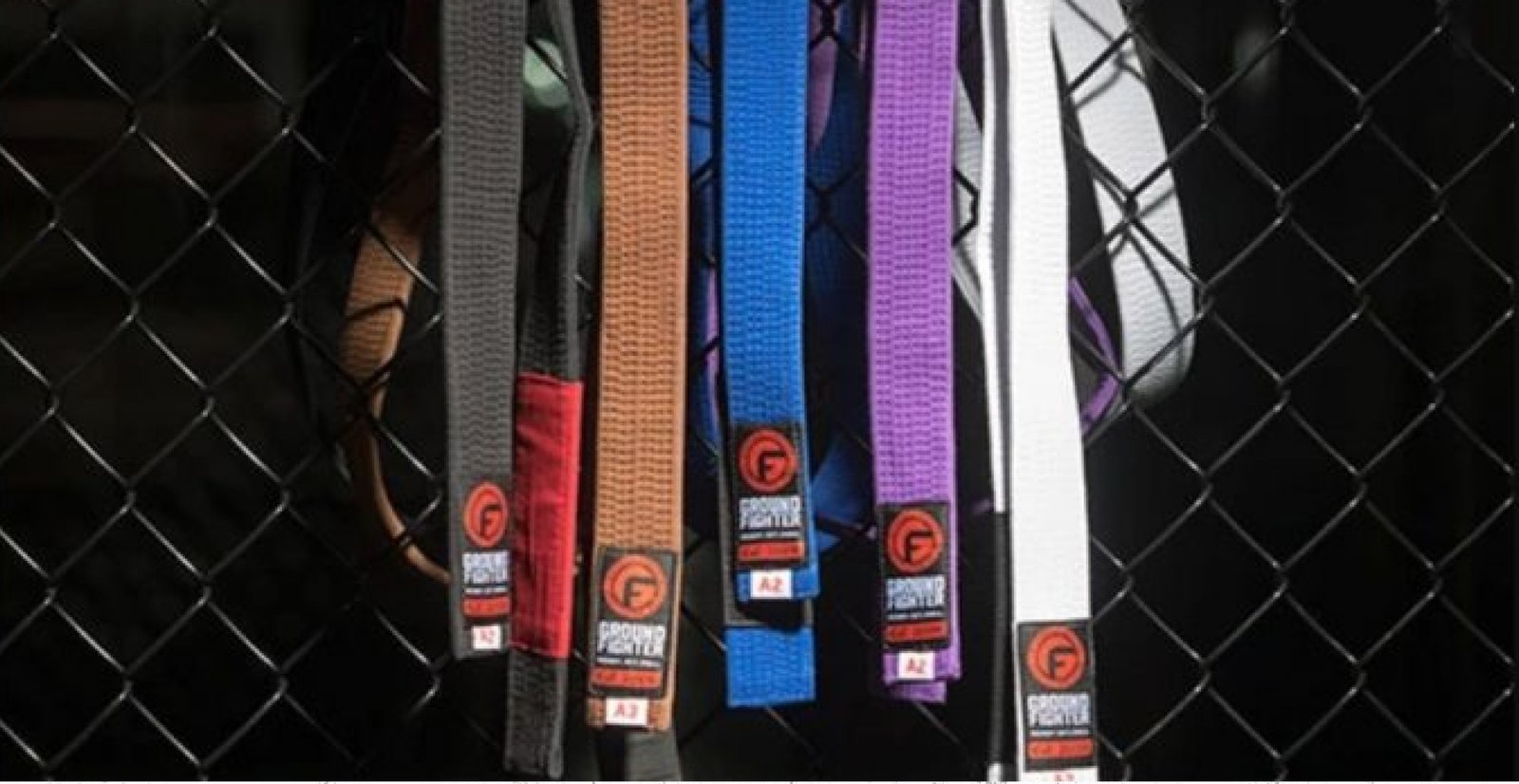
The BJJ belt system is the ranking structure used in Brazilian Jiu-Jitsu to measure a practitioner’s skill, knowledge, and experience level. For adults, there are five main belt ranks—white, blue, purple, brown, and black—with each representing years of technical development, mat time, and personal growth. Understanding the belt ranking system helps practitioners set realistic expectations and appreciate the long-term commitment required to advance through the ranks.
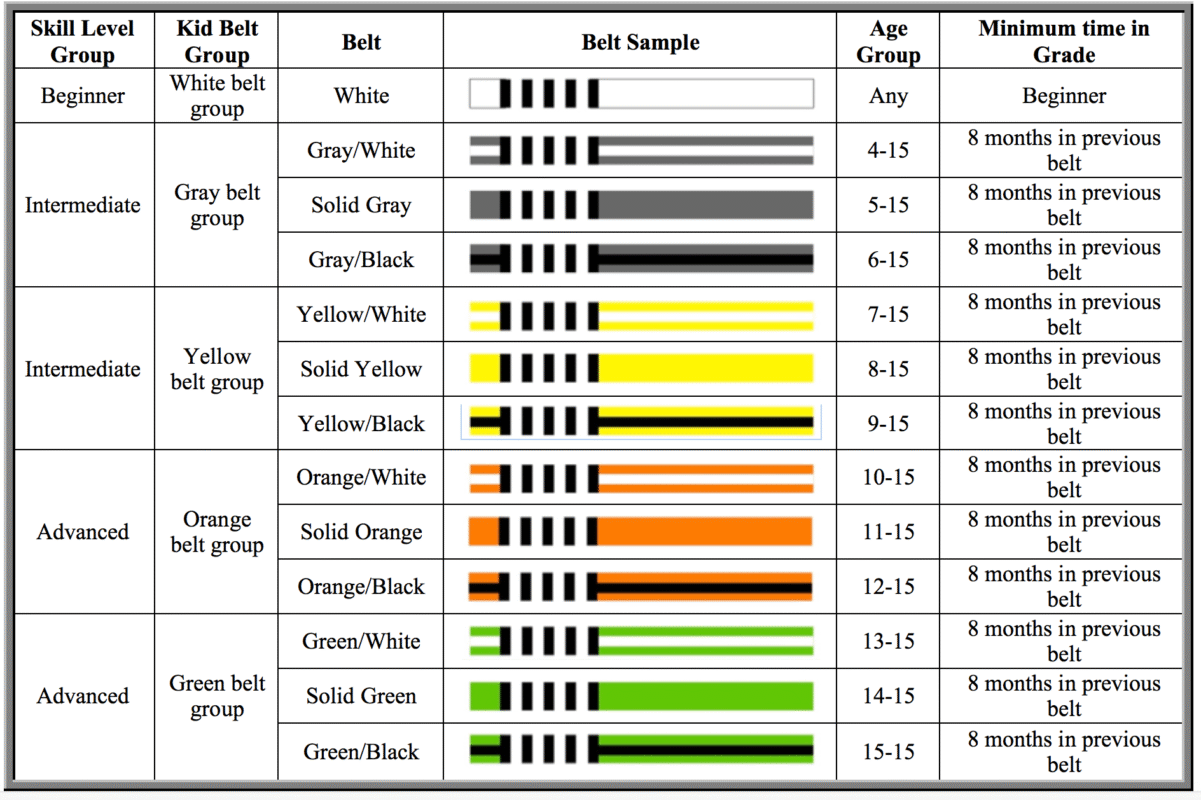
Table of Contents
How Many Belts Are There in BJJ?
The adult BJJ belt system consists of five core levels according to IBJJF standards:
- White Belt (beginner)
- Blue Belt (intermediate)
- Purple Belt (advanced)
- Brown Belt (expert)
- Black Belt (master)
Beyond black belt, practitioners earn degree stripes and eventually progress to coral belt (red and black) at 7th degree and red belt at 9th degree, though these higher ranks require decades of contribution to the art.
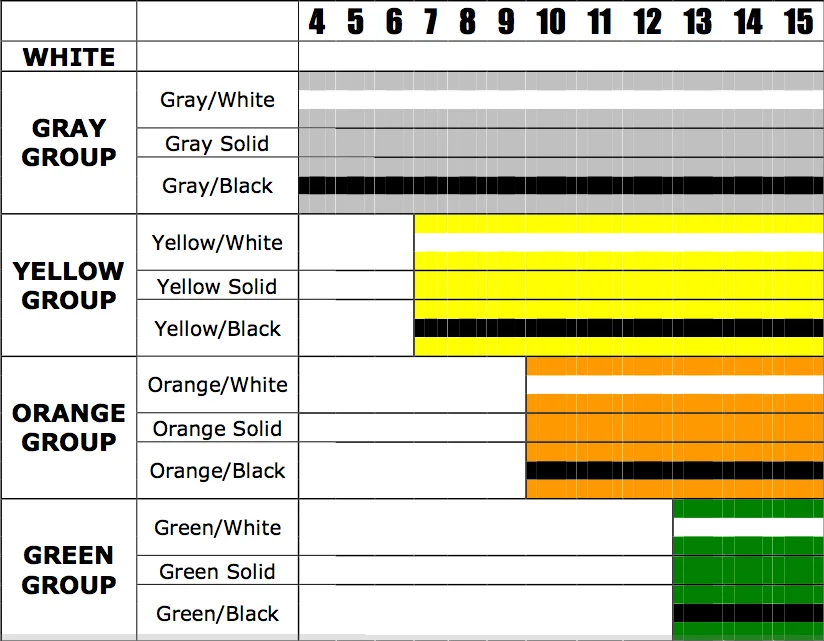
Children follow a different system with additional colors—grey, yellow, orange, and green—to accommodate developmental stages. At age 16, they transition to the adult system, typically starting at white or blue belt depending on skill level. Read our kids BJJ belt system guide for details.
BJJ Belts in Order: Adult Ranking System
White Belt – The Foundation

White belt is the starting point for every adult practitioner, regardless of previous martial arts experience. At this level, students focus on fundamental positions, basic escapes, simple submissions, and learning to survive during live sparring.
Primary learning objectives:
- Understanding basic positions (guard, mount, side control, back control)
- Learning fundamental escapes from bad positions
- Developing positional awareness and framing
- Building grappling-specific cardio and conditioning
- Understanding academy etiquette and training culture
Average time at white belt: 2.3 years with consistent training, contradicting the common belief that blue belt can be achieved in 12–18 months.
For newcomers, our 30 essential tips for BJJ white belts provides practical guidance on building good habits. Many academies use stripe systems to mark incremental progress before belt promotion.
Blue Belt – Fundamental Competency

Blue belt represents the first major milestone and signifies solid fundamental knowledge. Blue belts have reliable defensive skills, understand major positions thoroughly, and possess offensive techniques they can execute against resisting opponents.
Key characteristics:
- Effectively escape most common bad positions
- Have 2–3 reliable submissions from guard and top positions
- Understand basic guard passing and retention concepts
- Begin developing personal style and preferences
- Train safely with partners without excessive strength
IBJJF minimum: 2 years at white belt
Average actual time: 3.3 years at blue belt before purple promotion
Setting clear goals as a BJJ blue belt helps avoid the notorious “blue belt plateau” where progress can feel stagnant.
Purple Belt – Technical Refinement

Purple belt marks the transition from intermediate to advanced practitioner. Students develop well-rounded games, understand complex position transitions, and chain techniques together into sophisticated sequences.
Purple belt expectations:
- Teach fundamental techniques to lower belts
- Possess deep understanding of positional hierarchies
- Develop specialty positions or techniques
- Demonstrate advanced timing and pressure concepts
- Show tactical sophistication during rolling
IBJJF minimum: 1.5 years at blue belt
Average actual time: 3.4 years at purple belt
Purple belt is the “proving ground” where practitioners solidify their identity as serious students. Many begin assistant coaching roles and mentor white and blue belts. See our purple belt guide for more.
Brown Belt – Expert Refinement

Brown belt is the final colored belt before black and represents expert-level proficiency. Brown belts refine small technical details, eliminate game weaknesses, and develop the consistency expected of black belts.
Brown belt characteristics:
- Exhibit exceptional technical precision
- Troubleshoot and adjust techniques in real-time
- Demonstrate leadership within the academy
- Possess competition-level skills
- Show deep philosophical understanding of BJJ principles
IBJJF minimum: 1 year at purple belt
Average actual time: 4.4 years at brown belt
Learn more in our BJJ brown belt guide.
Black Belt – Mastery and Leadership

Black belt represents mastery of Brazilian Jiu-Jitsu fundamentals and proven teaching ability. It’s not the journey’s end but rather the point where a practitioner has built a strong enough foundation to continue learning for decades.
Black belt expectations:
- Deep technical knowledge across all positions
- Ability to teach safely and effectively
- Composure and control under pressure
- Understanding of BJJ history, philosophy, and culture
- Commitment to continued growth and development
IBJJF minimum age: 19 years old
Average total time from white to black: 13.3 years
This timeline significantly exceeds the common “10-year black belt” myth, revealing that the journey requires extraordinary long-term commitment. Read our black belt guide and how long to get a black belt.
Black Belt Degrees and Advanced Ranks
Black belt progression continues through a degree system spanning decades, governed by IBJJF graduation standards:
| Degree | Time Required | Belt Color | Title |
|---|---|---|---|
| 1st-3rd | 3 years each | Black | Professor |
| 4th-6th | 5 years each | Black | Professor |
| 7th-8th | 7-10 years | Red/Black (Coral) | Master |
| 9th-10th | 48+ years total | Red | Grandmaster |
Coral Belt (7th-8th Degree): Features alternating red-and-black colors, awarded at minimum age 50 with 31+ years as black belt. Recipients are addressed as “Master.”
Red Belt (9th-10th Degree): The highest honor in BJJ, reserved for pioneers and significant contributors who have trained 48+ years as black belts. According to Wikipedia, the red belt is “reserved for those whose influence and fame takes them to the pinnacle of the art”.
IBJJF Graduation Standards and Stripe System
The International Brazilian Jiu-Jitsu Federation establishes official standards for belt ranking used by most academies worldwide. Their graduation system includes minimum time requirements, age restrictions, and technical standards for each belt level.
IBJJF requirements for belt promotions:
- Minimum age requirements (e.g., black belt minimum age is 19)
- Minimum time at each previous belt
- Registration with IBJJF for official belt recognition
- For black belt: CPR/First Aid certification and rules seminar completion
Stripe System
Most academies award 0–4 stripes (small tape pieces) on belts to mark progress between promotions, providing frequent feedback and recognizing incremental improvement:
- 0 stripes: Newly promoted
- 1–2 stripes: Developing competency at current belt
- 3–4 stripes: Approaching readiness for next belt
Stripes are particularly important for white belts, where the gap to blue feels enormous. Our BJJ stripe system guide explains requirements in detail.
How Belt Promotions Work
Unlike some martial arts with standardized testing, BJJ belt promotions are largely subjective and based on instructor evaluation. Factors include:
- Technical skill: Executing techniques correctly under resistance
- Mat time: Training consistency over years
- Rolling performance: Demonstrating belt-level skills against various partners
- Teaching ability: Explaining and demonstrating techniques (especially at higher belts)
- Competition results: Testing skills under tournament pressure (optional)
- Attitude and character: Embodying BJJ values like respect, humility, and perseverance
Different academies weight these factors differently, but IBJJF minimum time requirements prevent excessively rapid promotions at affiliated schools.
Realistic Timelines and Progression Factors
Recent comprehensive research surveying 1,948 practitioners revealed actual belt progression timelines:
| Progression | Average Time |
|---|---|
| White to Blue | 2.3 years |
| Blue to Purple | 3.3 years |
| Purple to Brown | 3.4 years |
| Brown to Black | 4.4 years |
| White to Black Total | 13.3 years |
This data demonstrates that the “10-year black belt” represents exceptional cases rather than typical progression.
Factors affecting promotion speed:
- Training frequency: 4–6 sessions weekly accelerates learning versus 2–3 times
- Previous experience: Wrestling, judo, or grappling backgrounds provide transferable skills
- Athletic ability: Natural coordination affects early progression
- Competition: Tournament participation forces technical development
- Quality of instruction: Access to high-level coaching matters significantly
However, even with optimal conditions, IBJJF minimum time requirements prevent promotions below certain thresholds.
Common Belt System Misconceptions
“Belt Color Determines Who Wins”: Belt rank indicates technical knowledge and experience, not guaranteed victory. A talented, athletic blue belt might occasionally tap a purple belt, especially with significant size or strength differences.
“Everyone Progresses at the Same Rate”: The belt rank system is highly individualized. Two people starting simultaneously might be promoted to blue belt years apart based on training consistency, natural aptitude, and technique absorption.
“You Need to Compete to Get Promoted”: While competition accelerates learning, it’s not mandatory at most academies. Many practitioners earn black belts without ever competing, especially those starting later in life.
“Black Belt Means You Know Everything”: Black belt represents solid fundamentals and teaching ability, not complete knowledge. The art continues evolving, and lifelong black belts continue learning for decades after promotion.
Practical Training Considerations
Setting Realistic Expectations: Understanding actual time requirements helps prevent frustration and burnout. If you’re wondering is it hard to learn BJJ, the answer is yes—the learning curve is steep and advancement takes years of dedicated practice.
Training Consistency: The single biggest factor determining progression is consistent mat time over years. Training 3 times weekly for 5 years produces far better results than sporadic intense training followed by long breaks.
Starting as an Adult: Many practitioners begin in their 30s, 40s, or later. If you’re considering starting BJJ at 30, the timeline still applies, though older practitioners may progress slightly slower due to recovery needs and life responsibilities. However, the benefits—fitness, stress relief, self-defense, community—make the journey worthwhile regardless of starting age.
Understanding fundamental concepts like what is guard in BJJ and learning proper technique prevents injuries that derail long-term progression.
Conclusion
The BJJ belt system provides structure and motivation for one of martial arts’ longest, most rewarding journeys. With five main adult belt levels—white, blue, purple, brown, and black—each representing years of skill development, the system ensures rank correlates with genuine ability rather than just time on the mats.
Understanding realistic timelines (averaging 2.3 years to blue belt and 13.3 years to black belt) helps practitioners appreciate that Brazilian Jiu-Jitsu is a lifelong pursuit, not a quick credential to collect. The belt you wear matters less than the knowledge you gain, the character you develop, and the community you build along the way.
Whether you’re a curious beginner or experienced practitioner, remember that every black belt was once a white belt who refused to quit. Explore our complete BJJ rank level guide for age divisions and competition categories.