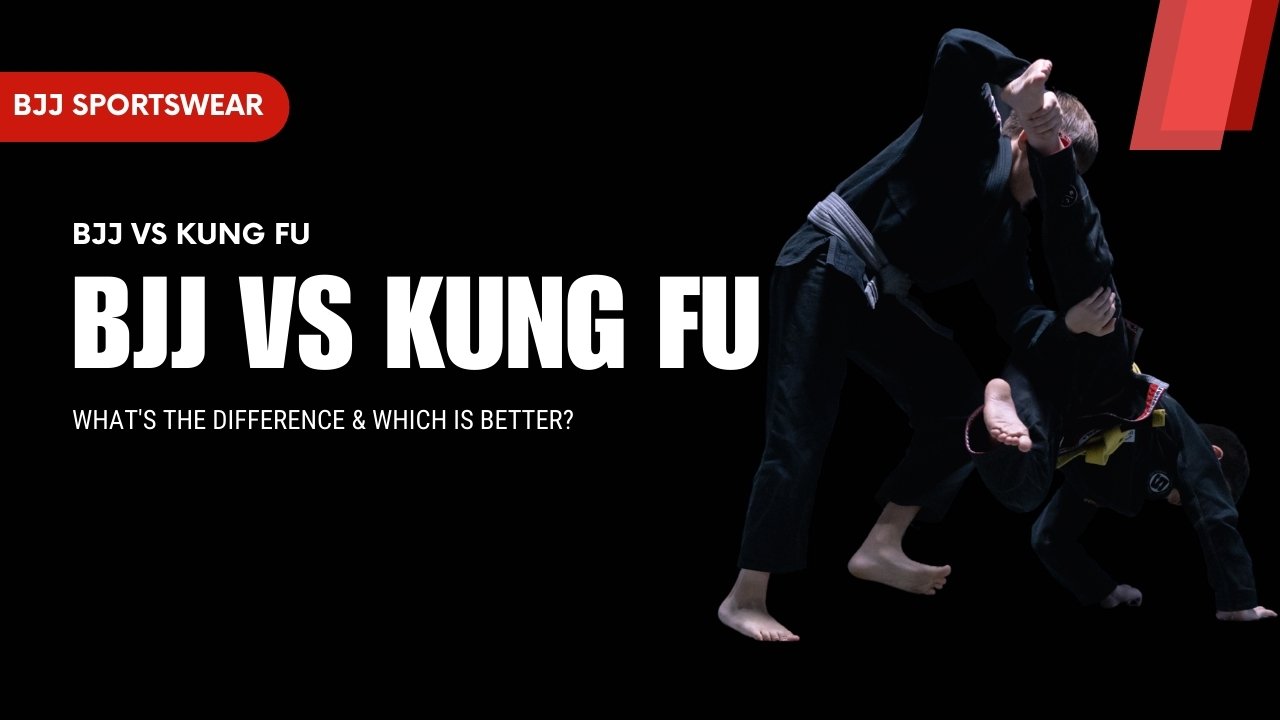

BJJ vs Wrestling: Which Is Better? (2026 Complete Comparison)

By BJJ Sportswear Editorial Team
Reviewed by grapplers with competitive experience in both Brazilian Jiu-Jitsu and wrestling | Last Updated: January 14, 2026
Brazilian Jiu-Jitsu and wrestling represent complementary grappling arts—BJJ focuses on ground control, submissions, and fighting off your back using leverage, while wrestling emphasizes explosive takedowns, top control, and pinning opponents using athleticism and aggression. What makes this comparison essential for martial artists is synergy: the best modern MMA fighters combine both arts, using wrestling’s superior takedowns to achieve dominant positions where BJJ’s submission expertise finishes fights.
According to NAGA Fighter, wrestling is traditionally more fast-paced and explosive with less stalling. Wrestlers work to exert complete dominance over their opponent and get a pin. BJJ relies on leverage, technique, and strategy. While it can be physically demanding, practitioners can take their time to strategize, assess their opponents, and methodically work towards a submission.
Elite Sports emphasizes the fundamental difference: The whole emphasis of BJJ is on submission and ground fighting whereas wrestling is based on takedowns and pins. BJJ is based on using the right techniques at the right time with the right competitor whereas wrestlers just use their physical strength, power, and speed.
Whether you’re choosing between these grappling styles for MMA preparation, self-defense, competition, or fitness, understanding their fundamental differences, complementary strengths, and how they combine will help you make the right decision for your goals.
Table of Contents
Quick Comparison: BJJ vs Wrestling
| Aspect | Brazilian Jiu-Jitsu | Wrestling |
|---|---|---|
| Primary Focus | Ground submissions, guard work, positional control | Takedowns, top control, pins |
| Objective | Submit opponent or gain points | Pin opponent or score points |
| Training Method | Rolling (live sparring), technique over strength | Explosive drilling, strength + technique |
| Pace | Methodical, strategic | Fast, explosive, aggressive |
| Match Length | One round (5-10 mins) | Three rounds (2 mins each) |
| Submissions | Central focus (chokes, joint locks) | Not allowed (pins only) |
| Fighting Position | Works from guard (back position) | Avoids back, fights from top |
| Belt System | Standardized globally (5 belts) | No standardized belt system |
| Time to Proficiency | 2-3 years to blue belt | 2-4 years to collegiate level |
| MMA Effectiveness | Essential (submissions + ground control) | Essential (takedowns + top control) |
| Self-Defense | Highly effective (control + submit) | Effective (takedown + control) |
| Athleticism Required | Moderate (technique over strength) | High (explosive power essential) |
What Is Brazilian Jiu-Jitsu?
Brazilian Jiu-Jitsu is a submission-focused grappling art that emphasizes ground fighting, guard positions (controlling from your back), and joint locks or chokes to force opponents to submit—using leverage and technique to allow smaller practitioners to defeat larger, stronger opponents.
Core BJJ Principles:
- Submission-oriented (finish fights)
- Guard work (fighting off back)
- Positional hierarchy (mount, back control)
- Leverage over strength
- Methodical, strategic
- Escapes from bad positions
- Standardized belt progression
Brecksville Martial Arts highlights: Submission-based, allowing smaller practitioners to defeat larger opponents. Effective for self-defense by neutralizing threats without striking. Focuses on positional control and escaping dangerous positions.
BJJ Training Methods
NAGA Fighter describes: BJJ relies on leverage, technique, and strategy. While it can be physically demanding, practitioners can take their time to strategize, assess their opponents, and methodically work towards a submission.
Typical BJJ Training:
- Technique drilling (positional work)
- Positional sparring (specific scenarios)
- Live rolling (full sparring)
- Slower pace (think while moving)
- White belt focus: escapes, guard retention
Core BJJ Techniques
Submissions:
- Rear Naked Choke – from back control
- Triangle Choke – legs around neck
- Armbar – hyperextend elbow
- Guillotine Choke – front headlock
- Kimura – shoulder lock
- Kneebar – leg attack (brown/black belt)
Guard Positions:
- Closed Guard – legs locked
- Open Guard – dynamic control
- Butterfly Guard – hooks inside thighs
- Half Guard – one leg trapped
Sweeps:
- Scissor Sweep – closed guard fundamental
- Butterfly Sweep – elevation reversal
What Is Wrestling?
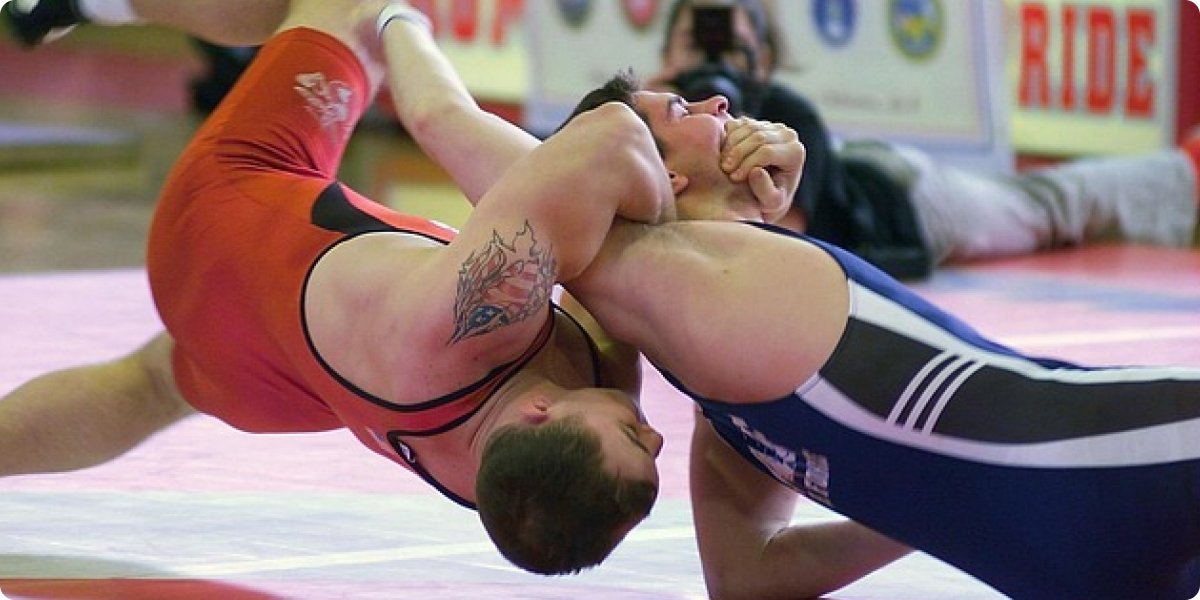
Wrestling is an explosive grappling sport emphasizing takedowns (bringing opponent to mat), top control (dominant positioning), and pins (holding opponent’s shoulders to mat)—using athleticism, aggression, and explosive power to dominate opponents through superior positioning and relentless pressure.
Core Wrestling Principles:
- Takedown-focused (stand-up attacks)
- Top control dominance
- Pins (shoulders to mat)
- Explosive, aggressive pace
- Avoid being on back
- Scrambles and escapes
- Athletic, conditioning-heavy
Wrestling Styles:
- Folkstyle (American collegiate)
- Freestyle (Olympic, MMA-applicable)
- Greco-Roman (Olympic, no leg attacks)
Wrestling Training Methods
NAGA Fighter describes intensity: Wrestling is a more explosive, demanding, and aggressive sport. Matches often require intense bursts of energy, quick movements, and agility.
Typical Wrestling Training:
- Explosive drilling (repetition at speed)
- Live wrestling (full intensity)
- Conditioning (cardio essential)
- Strength training (power development)
- Fast-paced (constant pressure)
- Mat dominance
Core Wrestling Techniques
Takedowns:
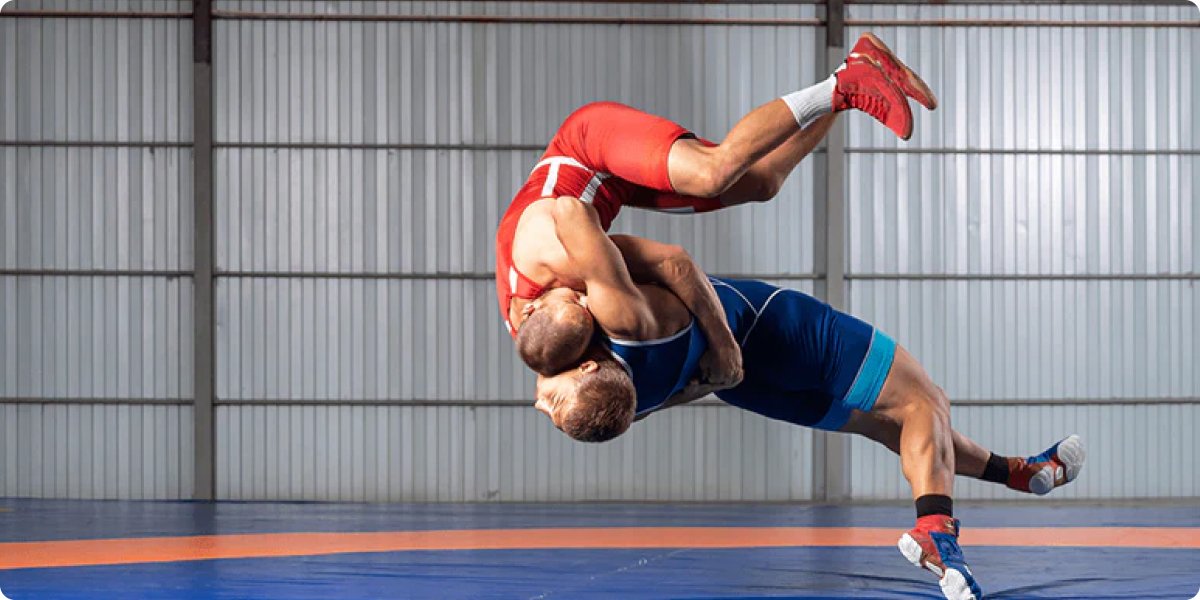
- Double Leg Takedown – capture both legs
- Single Leg Takedown – capture one leg
- High crotch
- Ankle picks
- Blast doubles
Controls:
- Pins (shoulders to mat)
- Cradles
- Turks
- Tilts
- Breakdowns (flatten opponent)
BJJ vs Wrestling: Key Differences
1. Submission vs Pin
Vali Sports explains: The main difference between the sports of BJJ and wrestling is that one is focused on submissions and executing chokes. While the other is focused on grappling and pinning the opponent.
BJJ Goal:
- Force submission (tap)
- Chokes and joint locks
- Finish fights
- No pins
Wrestling Goal:
- Pin opponent (shoulders to mat)
- Score points
- Control, not submit
- Submissions illegal
2. Fighting From Your Back
Elite Sports notes critical difference: BJJ techniques are more focused on the ground fighter, whereas the wrestler can easily control any opponent with stand-up techniques.
Brecksville adds: Wrestling has limited focus on fighting off the back, which is critical in MMA and self-defense.
BJJ Approach:
- Guard positions offensive from back
- Sweeps reverse position
- Submissions from bottom
- Back isn’t losing
Wrestling Approach:
- Avoid back at all costs
- Back = losing position
- Scramble to escape
- No offensive back game
3. Pace and Intensity
NAGA Fighter contrasts: Wrestling is traditionally more fast-paced and explosive with less stalling. BJJ relies on leverage, technique, and strategy. While it can be physically demanding, practitioners can take their time to strategize, assess their opponents, and methodically work towards a submission.
Wrestling:
- Explosive bursts
- Constant pressure
- Referee pushes action
- Fast-paced
- High intensity throughout
BJJ:
- Strategic thinking
- Methodical execution
- Patience valued
- Slower pace
- Mental chess
4. Technique vs Athleticism
Elite Sports explains: BJJ is based on using the right techniques at the right time with the right competitor whereas wrestlers just use their physical strength, power, and speed.
BJJ Philosophy:
- Technique over strength
- Leverage equalizes size
- Smaller beats bigger
- Strategy essential
Wrestling Philosophy:
- Athleticism crucial
- Explosive power
- Strength advantage
- Speed wins
5. Training Culture
NAGA Fighter describes: In some ways, wrestling is more of a traditional sport where competitors learn how to win a match by scoring points, while BJJ is a true martial art.
Wrestling Culture:
- Sport-focused
- Point scoring
- Competitive emphasis
- High school/college tradition
- Team-based
BJJ Culture:
- Martial art philosophy
- Self-defense applicable
- Individual journey
- Belt progression
- Community-oriented
BJJ vs Wrestling: MMA Effectiveness
Evolve MMA analyzes modern MMA: Both wrestling and BJJ are essential components of modern MMA. The question isn’t which is better—it’s how they complement each other.
Wrestling in MMA
Strengths:
- Superior takedowns
- Dictates where fight happens
- Top control dominance
- Ground and pound
- Cage wrestling
- Prevents being taken down
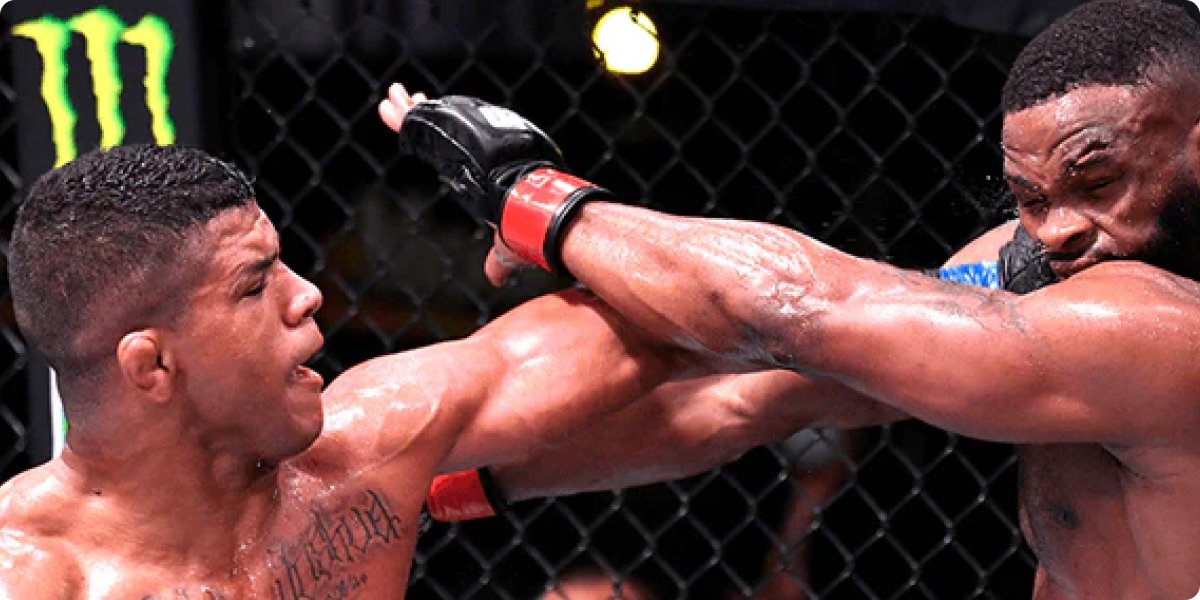
Evolve MMA notes advantage: A wrestler can easily knock down their competitor in a highly efficient manner. The wrestler has some advantages over a BJJ fighter.
Weaknesses:
Evolve MMA identifies limitation: Wrestlers tend to focus more on ground strikes instead of looking for submissions on the ground. Limited ability to finish fights.
BJJ in MMA
Strengths:
- Submission finishes
- Guard work neutralizes top control
- Finish from any position
- Back attacks (RNC)
- Sweeps to reverse
Weaknesses:
Evolve MMA notes critical issue: Ineffective takedowns against experienced wrestlers. The main drawback BJJ has had in modern times is how ineffective its takedowns can be against strong wrestlers.
Elite Sports adds: BJJ is beneficial; however, it is not essential in MMA. It does not prepare athletes for standing and clinching.
The Winning Combination
Modern MMA requires BOTH:
- Wrestling: takedowns, top control, cage work
- BJJ: submissions, guard, escapes
Examples:
- Khabib Nurmagomedov (wrestling base + BJJ submissions)
- Demian Maia (BJJ base + wrestling takedowns)
- Georges St-Pierre (wrestling + BJJ black belt)
BJJ vs Wrestling: Self-Defense
Wrestling for Self-Defense
Strengths:
- Takedowns control opponent
- Top position dominance
- No submissions (control only)
- Explosive, aggressive
Limitations:
Brecksville notes: No submission techniques—primarily focused on pinning opponents. Heavy reliance on athleticism rather than technique.
Problem: In self-defense, pinning doesn’t end threat—submissions do.
BJJ for Self-Defense
Brecksville emphasizes: Effective for self-defense by neutralizing threats without striking.
Strengths:
- Control without injury
- Submissions end threat
- Works against larger attackers
- Escapes from bad positions
- Legal implications (no striking)
Self-Defense Focus:
- Mount escape – if attacked on ground
- Back escape – if grabbed from behind
- Guillotine – standing choke defense
- RNC – control and submit
Verdict: BJJ more effective for self-defense (submissions > pins).
Which Is Better for Beginners?
Wrestling for Beginners
Challenges:
- Extremely physically demanding
- Requires high fitness level
- Steep conditioning curve
- Aggressive, intense
- Limited adult programs
Advantages:
- School/college availability
- Team environment
- Structured progression
- Athletic development
BJJ for Beginners
White belt curriculum designed for complete beginners:
Beginner-Friendly:
- Technique over strength
- Smaller can beat bigger
- Clear belt progression
- Adult-focused programs
- Welcoming community
- Safe training (tap = stop)
First 6 Months:
Verdict: BJJ more accessible for adult beginners.
Strengths and Weaknesses
Wrestling Strengths
- Superior takedowns
- Explosive athleticism
- Top control dominance
- Dictates fight location
- Prevents being taken down
- Scrambling ability
- High-level conditioning
Wrestling Weaknesses
- No submission techniques
- Heavy reliance on athleticism
- Limited focus on fighting off back
- No adult beginner programs (limited)
BJJ Strengths
- Submission-based
- Smaller defeats larger
- Effective self-defense
- Positional control
- Escaping bad positions
BJJ Weaknesses
- Weaker takedowns (compared to wrestling)
- Less explosive
- Slower pace
- Ineffective against good wrestlers (standing)
Should You Train Both?
Vali Sports concludes: The question is not which sport is better, rather which sport is better for you. The benefits of cross-training in these sports would be a huge benefit for anyone.
Cross-Training Benefits:
- Wrestling takedowns + BJJ submissions = complete grappler
- Wrestling top control + BJJ guard work = well-rounded
- MMA preparation
- Covers all ranges
Approach:
- Master one first (2-3 years)
- Add second art
- Focus BJJ + wrestling room once/week
- Or vice versa
Jubera BJJ notes: Wrestling takedowns generally have a softer landing than Judo throws. Many sweeps from the ground in Brazilian Jiu-Jitsu finish in a single leg or double leg where you “wrestle-up” from your back.
The Final Verdict: Which Is Better?
Neither is “better”—they’re complementary.
Choose Wrestling If You Want:
- ✅ Superior takedowns
- ✅ Explosive, athletic training
- ✅ Top control dominance
- ✅ Traditional sport
- ✅ High school/college competition
Choose BJJ If You Want:
- ✅ Submission skills
- ✅ Guard work (fighting from back)
- ✅ Self-defense applicability
- ✅ Technique over strength
- ✅ Adult beginner programs
- ✅ Clear belt progression
The Truth About Modern Grappling:
Elite grapplers need BOTH:
- Wrestling: double leg, single leg, top pressure
- BJJ: submissions, guard retention, escapes
Recommendation:
- Start with BJJ (white belt fundamentals)
- Add wrestling for takedowns
- Combine for complete grappling
Frequently Asked Questions
Is wrestling better than BJJ for MMA?
Neither is “better”—modern MMA requires BOTH. Wrestling provides superior takedowns and top control, allowing fighters to dictate where fights happen. BJJ provides submission finishes and guard work to neutralize wrestlers. The most successful MMA fighters (Khabib, GSP, Demian Maia) combine wrestling’s takedowns with BJJ’s submissions. Wrestling-only fighters struggle to finish, while BJJ-only fighters struggle against takedown defense.
Can a BJJ fighter beat a wrestler?
Yes, but it depends on the fight’s location. If the wrestler maintains top position, their advantage is significant. However, BJJ fighters excel from guard positions where wrestlers have minimal training—sweeps reverse position and submissions like triangle chokes or armbars finish fights. Wrestling has no answer for submissions, while BJJ has (weaker) answers for takedowns.
Should I learn wrestling or BJJ first?
For adults starting martial arts, BJJ is more accessible. Adult wrestling programs are rare, while BJJ gyms cater to beginners with white belt curriculum designed for zero experience. BJJ’s technique-over-strength philosophy suits adult learners better than wrestling’s athleticism-heavy approach. However, if you have access to both, starting with BJJ fundamentals (escapes, guard) then adding wrestling for takedowns creates the most complete grappler.
How long does it take to get good at BJJ vs wrestling?
BJJ progression is standardized: white to blue belt takes 2-3 years with consistent training (3-4x weekly). Wrestling has no belt system, but collegiate-level competency requires 2-4 years of intensive training. BJJ’s methodical pace allows steady progress, while wrestling’s explosive nature demands peak athleticism. Both require years to master, but BJJ’s clear belt progression provides measurable milestones.
Which is better for self-defense: wrestling or BJJ?
BJJ is more effective for self-defense because it emphasizes submissions that end threats without causing permanent injury. Wrestling’s pins control opponents but don’t neutralize them—a dangerous limitation in real confrontations. BJJ’s escapes from bad positions and submissions like rear naked choke allow you to defend against larger attackers and control outcomes. Wrestling provides excellent takedowns, but without submission skills, you can only control, not finish.
Do wrestlers train BJJ?
Yes, increasingly. Many wrestlers transition to BJJ or MMA to develop submission skills and guard work—areas wrestling doesn’t address. Former wrestlers often excel at BJJ because their superior takedowns (double leg, single leg) and top control translate directly. However, they must learn to work from their back, which feels unnatural initially. Cross-training makes complete grapplers.
Which is harder: wrestling or BJJ?
Wrestling is more physically demanding, requiring explosive athleticism, peak conditioning, and constant high-intensity output. BJJ is more technical and strategic, emphasizing leverage over strength, allowing practitioners to pace themselves. Wrestling’s steep fitness requirements and aggressive culture create a higher barrier for beginners, while BJJ’s technique-first approach welcomes less athletic individuals. Mentally, BJJ’s complexity (hundreds of positions, techniques) exceeds wrestling’s more limited ruleset, making it a different kind of challenge.
Getting Started
BJJ Resources:
- What is Guard in BJJ? – Core concept
- BJJ White Belt Guide – Beginner roadmap
- BJJ Belt System – Progression explained
Essential Techniques:
- Double Leg Takedown – Wrestling fundamental
- Mount Escape – Survival skill
- Closed Guard – Offensive platform
- Rear Naked Choke – Submission essential
How We Reviewed This Article
Editorial Standards: Information verified through competitive grappling analysis, MMA effectiveness studies, wrestling and BJJ training methodology, and cross-training practitioner experiences.
Sources Referenced:
- Elite Sports (technical comparison)
- NAGA Fighter (training differences)
- Evolve MMA (MMA effectiveness)
- Vali Sports (comprehensive analysis)
- Brecksville Martial Arts (self-defense applications)
- Jubera BJJ (cross-training integration)
Last Updated: January 14, 2026